When the Storm Passes, the Real Estate Questions Begin
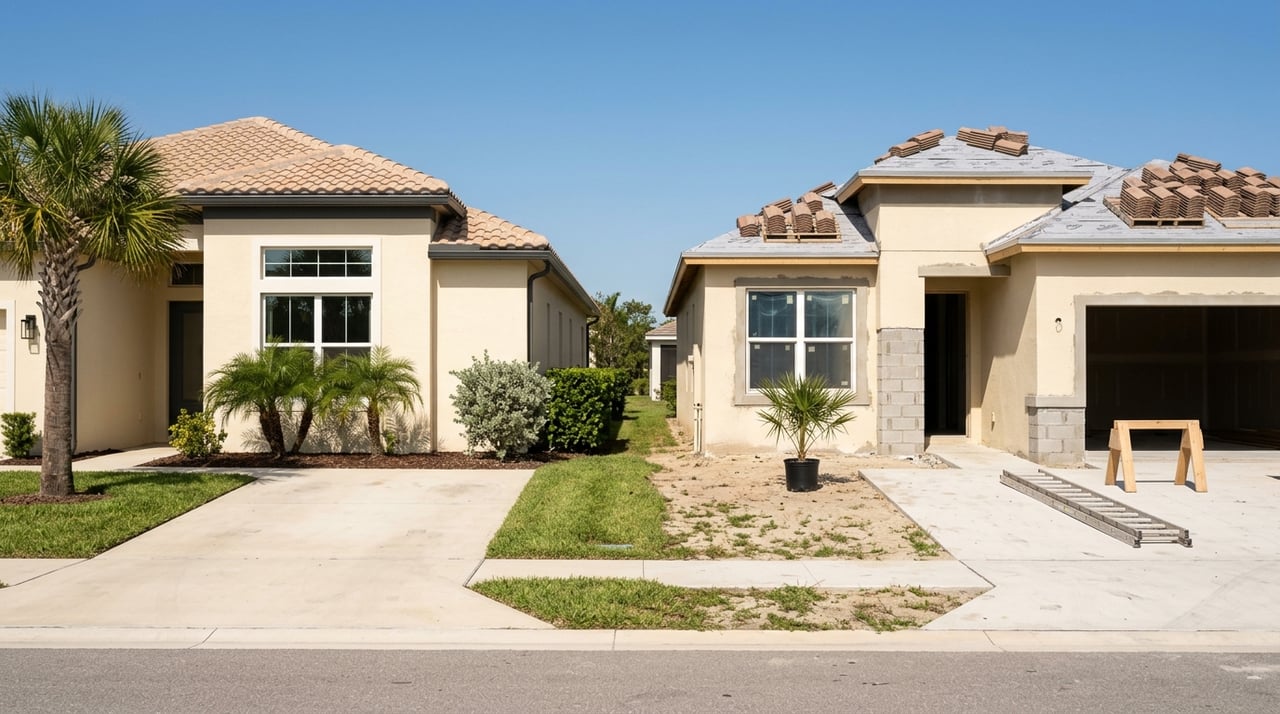
The latest rain, flooding, and storm damage have put a sharper spotlight on something buyers and sellers in both Southwest Florida and the Greenville Upstate cannot afford to ignore: a home’s condition, insurance cost, and water-risk story now matter as much as its curb appeal and list price.
A storm does not automatically change the value of every home in a market. But it does change the questions buyers ask, the documentation lenders and insurers require, and the costs that shape what a buyer can comfortably afford.
In Southwest Florida, hurricane exposure, wind coverage, flood protection, roof condition, and deductibles are already part of the buying conversation. In Greenville and across the Upstate, recent heavy rain, localized flooding, hail, downed trees, and the long recovery from Hurricane Helene have reminded homeowners that inland does not mean immune. Greenville saw additional flooding and hail reported during storms on September 21, while cleanup work along the Reedy River from Helene was still ongoing in late September.foxcarolina+1
The smart question for homeowners is no longer just, “What is my home worth?” It is also: “How well can I document, insure, maintain, and market this home in today’s environment?”
Southwest Florida: Better Insurance News, Still a Cost Issue
There is some encouraging movement in Southwest Florida’s insurance market. Florida regulators have reported more companies filing rate decreases or holding rates flat, and local data cited in late September showed average premiums down 1.5% in Lee County and 1.3% in Charlotte County from March 2025 to March 2026. Collier County, however, saw a slight 0.2% increase.winknews
That is meaningful progress after several difficult years—but it does not mean insurance is cheap or simple.
Recent reported average annual premiums were approximately:
Those are broad averages, not quotes. A property’s true premium can vary substantially based on location, distance from the coast, elevation, roof age and shape, construction type, opening protection, claims history, coverage limits, deductible selection, and carrier availability.winknews
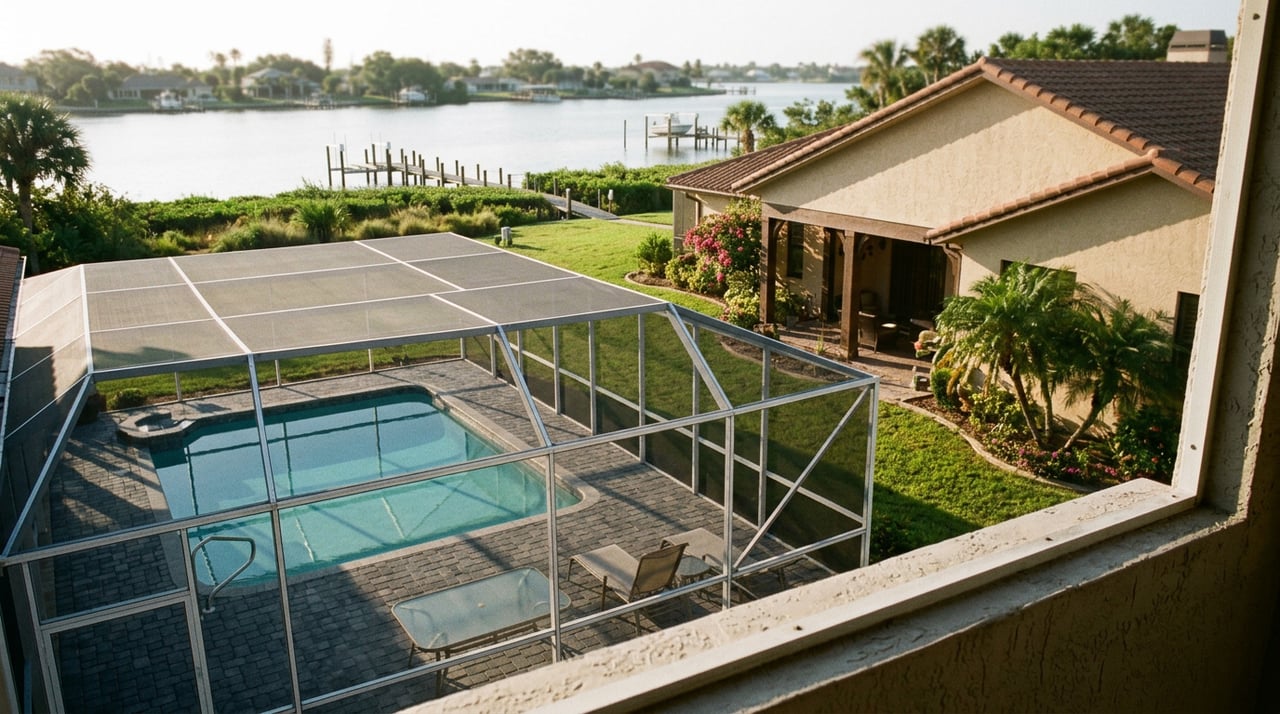
For buyers in Punta Gorda, Fort Myers, Cape Coral, Naples, Bonita Springs, Sarasota, and other Southwest Florida markets, the practical message is simple: do not wait until the end of the transaction to investigate insurance.
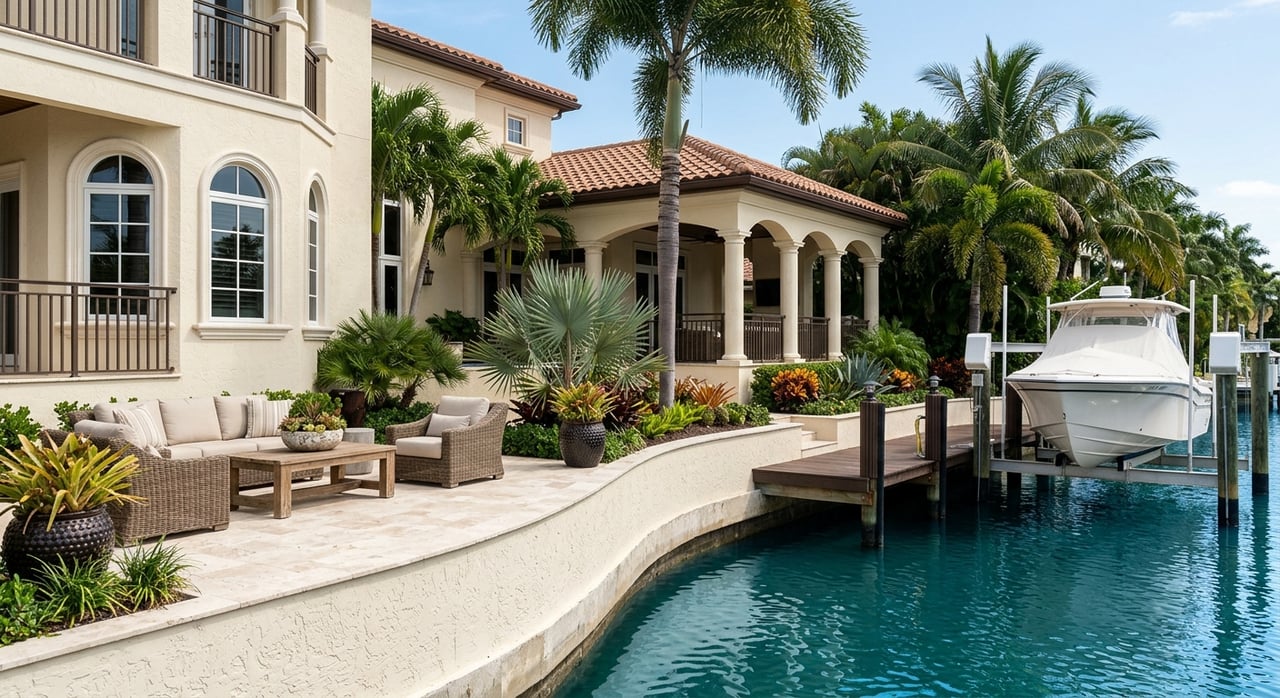
A beautiful waterfront or near-water home may be perfectly marketable, but a buyer needs to understand its complete ownership cost. That includes homeowners insurance, wind or hurricane deductible exposure, flood insurance, HOA or condo assessments where applicable, and the cost of maintaining systems that insurers care about—especially roofs, electrical panels, plumbing, windows, shutters, and HVAC.
Florida’s Office of Insurance Regulation continues to emphasize that flood damage generally is not covered by a standard homeowners policy. Flood coverage must be purchased separately or added through a qualifying endorsement, so a homeowner can have an active homeowners policy and still have no coverage for rising water, storm surge, or overland flooding.floir
Greenville Upstate: Water Risk Is More Localized—but Very Real
The Greenville Upstate does not carry the same hurricane and coastal-insurance profile as Southwest Florida, but recent weather has made clear that water risk is not only a coastal issue.
In the Upstate, the exposure is more likely to be tied to:
Flash flooding near creeks, rivers, low-lying roads, and drainage corridors.
Overflow or backup from stormwater systems.
Runoff from steep lots or properties with poor grading.
Roof damage, hail, fallen trees, and wind-driven rain.
Water intrusion in basements, crawlspaces, and lower-level living areas.
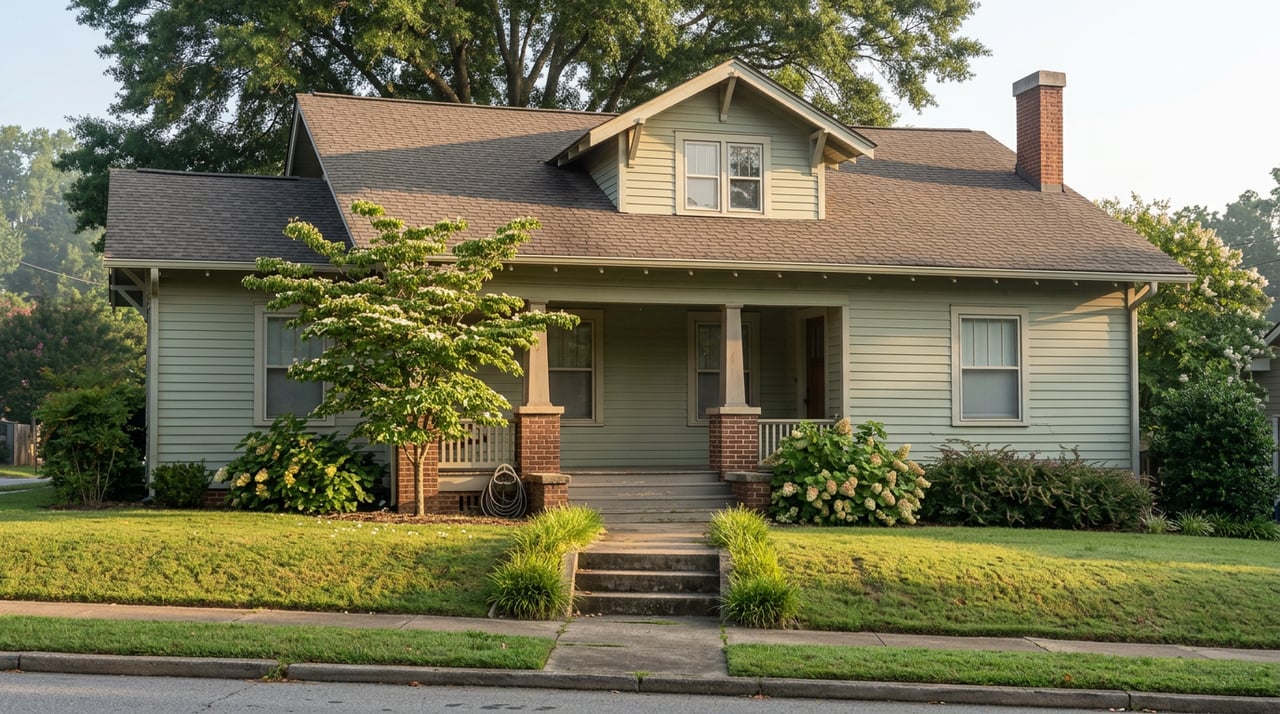
For Greenville-area buyers, the focus should be specific to the property—not broad fear about the whole region. A home on higher ground with effective grading, maintained gutters, properly routed downspouts, a dry crawlspace, and no history of water intrusion can be very different from a home just blocks away near a creek, floodplain, or drainage basin.
South Carolina’s Department of Insurance directs consumers to flood-insurance resources and claims information through the National Flood Insurance Program. As in Florida, the key coverage issue is that standard homeowners insurance generally does not cover rising water or flood damage. FEMA states plainly that flood insurance is separate from most standard homeowners policies.doi.sc+1
There is also a critical distinction after a storm:
If wind damages a roof and rain enters through that new opening, the resulting damage may fall under a homeowners or wind policy, depending on the policy language and deductible.
If water rises from a creek, river, street, storm surge, or surface runoff and enters the home, that is generally considered flood damage and usually requires flood coverage.
That difference can determine whether a homeowner has a covered claim—or a major out-of-pocket renovation.
Claims, Repairs, and Renovations
After a major rain event or storm, claims and repair decisions can affect future resale just as much as the physical damage itself.
A properly handled repair can strengthen a home’s market position. A poorly documented repair—or a cosmetic patch over a moisture problem—can create buyer concern, inspection objections, lender issues, or price reductions later.
Homeowners should document:
Photos and video of damage before cleanup begins.
The date, weather event, and source of water intrusion.
Claim numbers, adjuster communications, and settlement documents.
Licensed contractor invoices and itemized scopes of work.
Permits and final inspections for structural, electrical, roofing, plumbing, or drainage work.
Mold remediation reports, moisture testing, and clearance documentation when applicable.
Before-and-after photos of repairs and improvements.
For sellers, this documentation helps convert an uncomfortable question—“Has this home ever had water damage?”—into a confident answer: “Yes, here is exactly what happened, here is how it was professionally repaired, and here is the proof.”
The highest-value renovations after water issues are usually the ones that reduce future risk:
Regrading and drainage corrections that move water away from the home.
Gutters, extended downspouts, drainage swales, French drains, or sump-pump systems where appropriate.
Roof repairs or replacement completed by a qualified contractor.
Updated windows, impact protection, or storm shutters in Southwest Florida.
Elevated or protected HVAC, water heaters, electrical components, and appliances in vulnerable areas.
Moisture-resistant materials and properly waterproofed lower levels, crawlspaces, or garages.
Sewer-backup protections where property conditions support that need.
What This Means for Buyers
For buyers, the storm conversation should not stop the search. It should make the search smarter.
Before removing contingencies or finalizing an offer, buyers should obtain realistic insurance quotes—not estimates—from qualified insurance professionals. In Southwest Florida, that should include homeowners, wind or hurricane exposure, and flood coverage. In Greenville and the Upstate, it should include homeowners coverage plus a property-specific assessment of flood and water-intrusion exposure.
Ask for:
The home’s flood-zone designation and, when relevant, elevation documentation.
Prior insurance claims and water-intrusion disclosures.
Roof age, roof permits, and inspection reports.
Drainage, grading, and water-management records.
Details on any prior remediation or repairs.
Current premium, deductible, exclusions, and whether coverage is transferable or must be re-quoted.
HOA financials and insurance details for condos and townhomes, particularly in Florida.
The buyer advantage in a more balanced market is time to do this research correctly. The goal is not to avoid every home that has ever seen a storm. The goal is to understand the home’s true condition, future cost, and long-term fit before moving forward.
What This Means for Sellers
Sellers who prepare now will separate themselves from competing listings.
In both Southwest Florida and Greenville, buyers are becoming more detail-oriented. They are comparing not only price per square foot, but also insurance cost, roof condition, flood exposure, monthly payment, deferred maintenance, and the confidence they feel after the inspection.
That creates a major opportunity for a prepared seller.
Before listing, consider a pre-listing strategy built around:
A current insurance review.
Roof, HVAC, electrical, plumbing, and drainage documentation.
A pre-listing inspection when the home has a complicated history or aging systems.
Professional repairs rather than last-minute cosmetic fixes.
Clear disclosures supported by invoices, permits, and photographs.
A marketing plan that shows the home’s strengths while answering predictable buyer concerns before they become objections.
For Southwest Florida sellers, a newer roof, impact-rated openings, storm protection, strong inspection history, and available insurance information can be powerful market differentiators.
For Greenville Upstate sellers, the value may be in showing a dry crawlspace or basement, corrected grading, thoughtful drainage improvements, a healthy roof, and clear records that demonstrate the home has been maintained—not merely decorated.
The Bottom Line
Storms can create anxiety, but they also create clarity.
In Southwest Florida, the market is moving toward improved insurance competition, yet coastal and hurricane-related exposure still makes property-level due diligence essential. In Greenville and across the Upstate, recent flooding, hail, and ongoing storm recovery reinforce that inland buyers and sellers need to understand drainage, water history, and insurance just as carefully.foxcarolina+2
The homes that will stand out moving forward are not simply the homes with the prettiest kitchens or the biggest views. They will be the homes that can show buyers a clear, documented story of condition, protection, repair quality, and ownership cost.
When the weather changes, smart real-estate decisions do not stop—they become more important. For practical guidance on buying, selling, marketing, and positioning your home in Southwest Florida or the Greenville Upstate, connect with the local digital-first real-estate experts at MyDigitalListing.com, powered by LPT Realty.