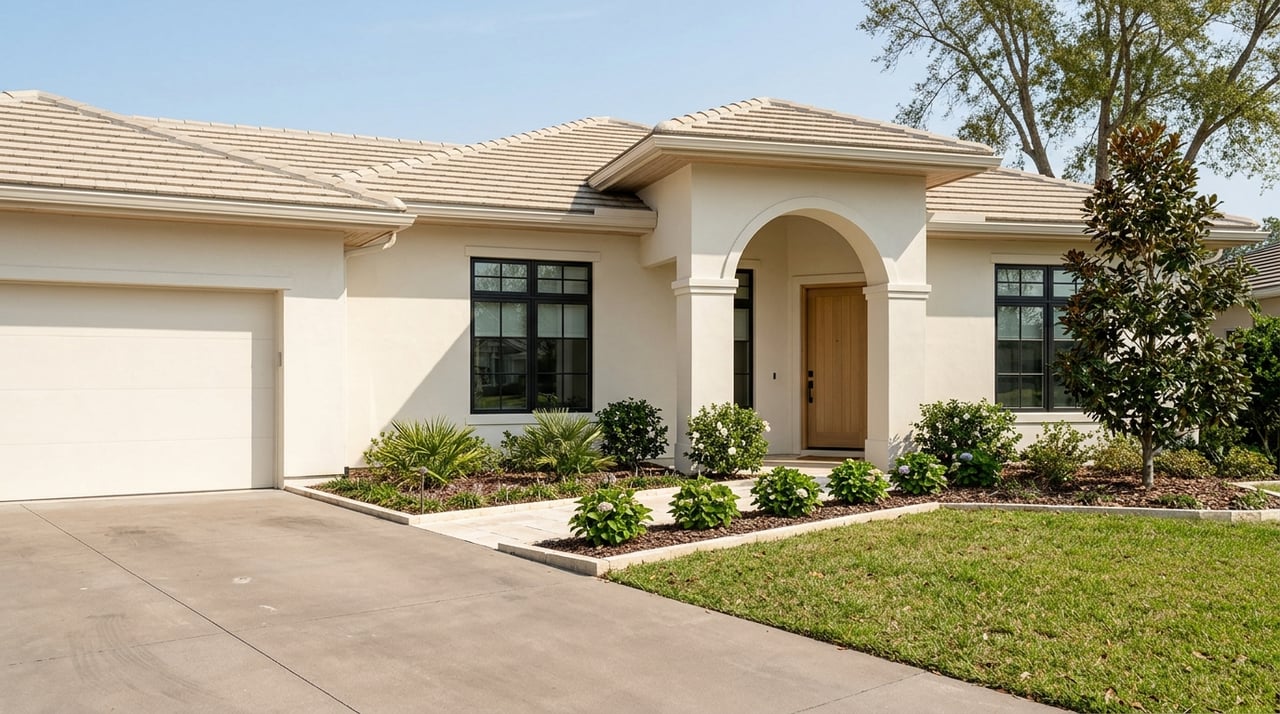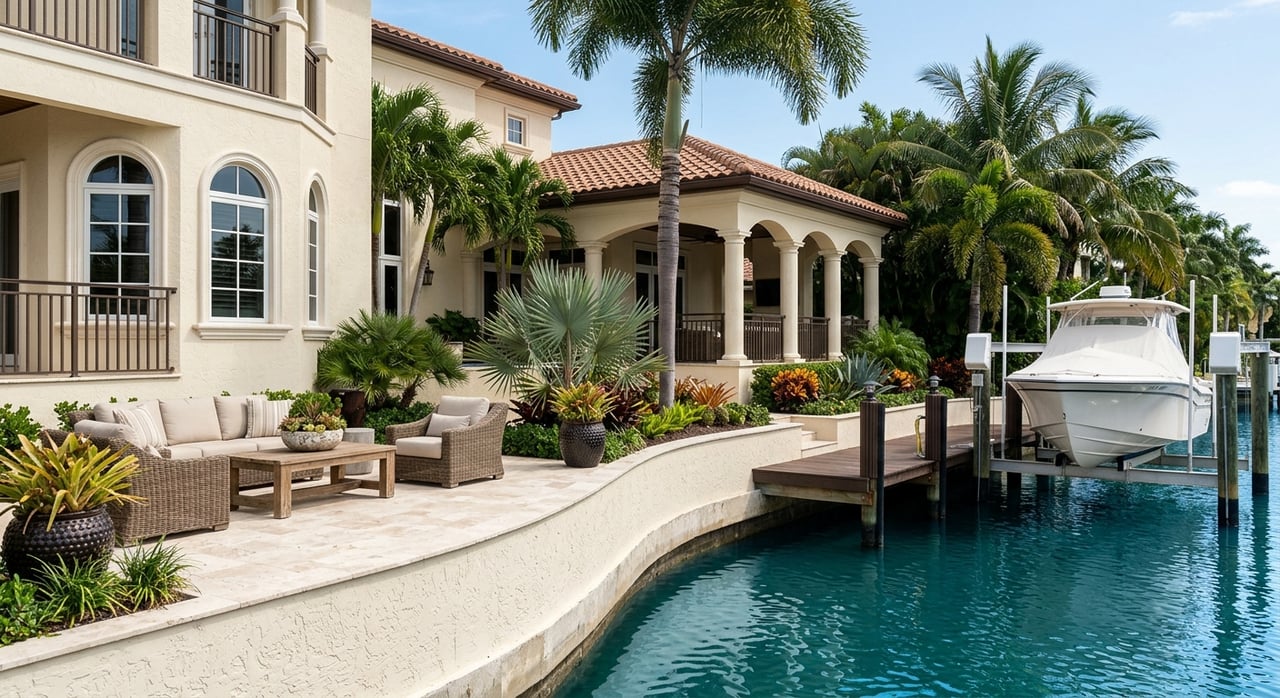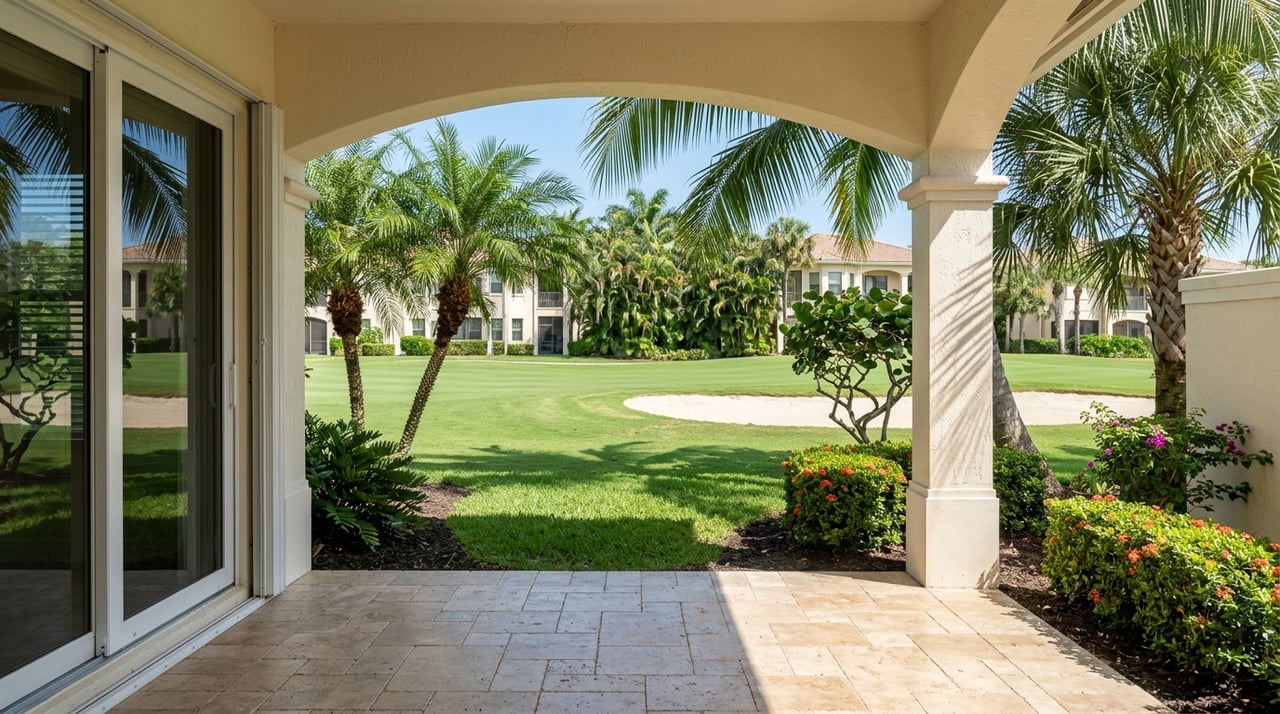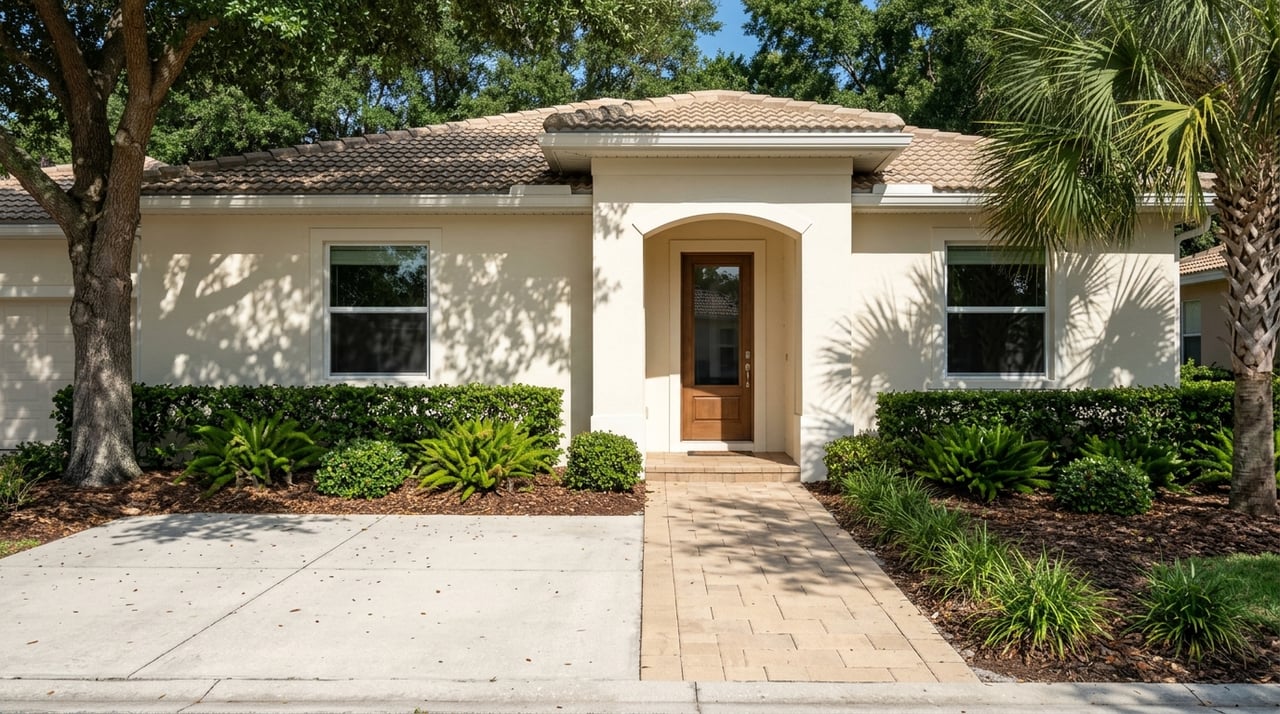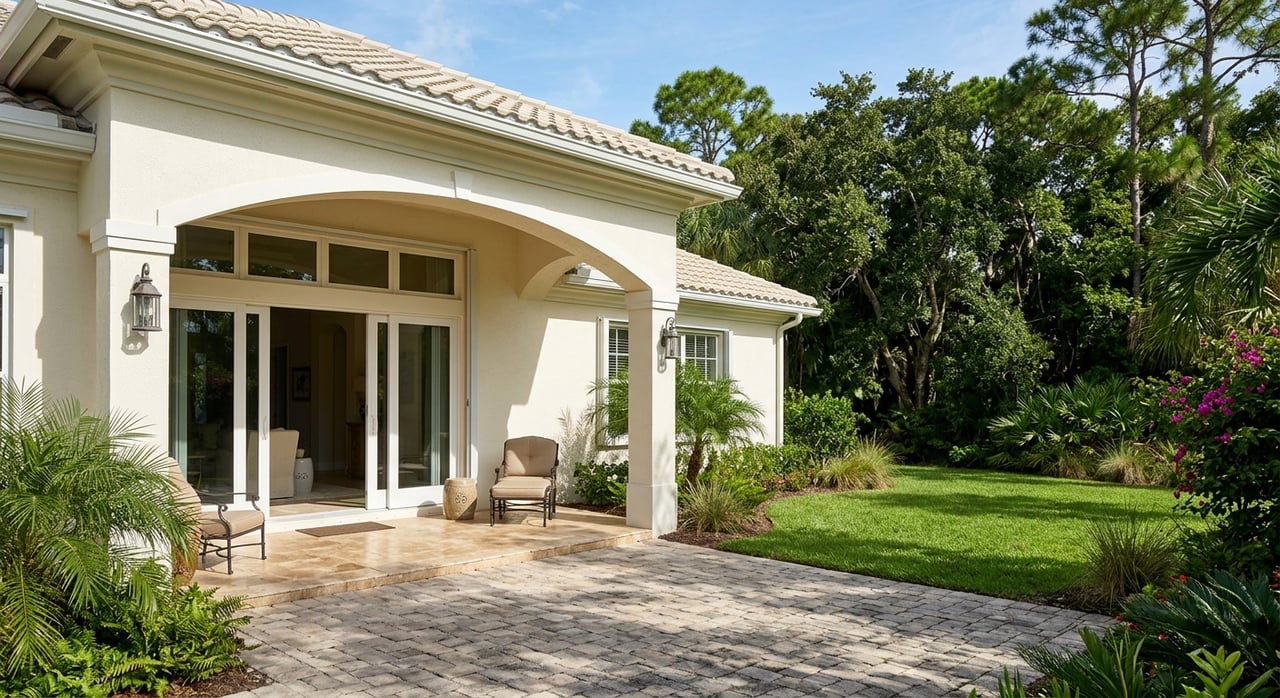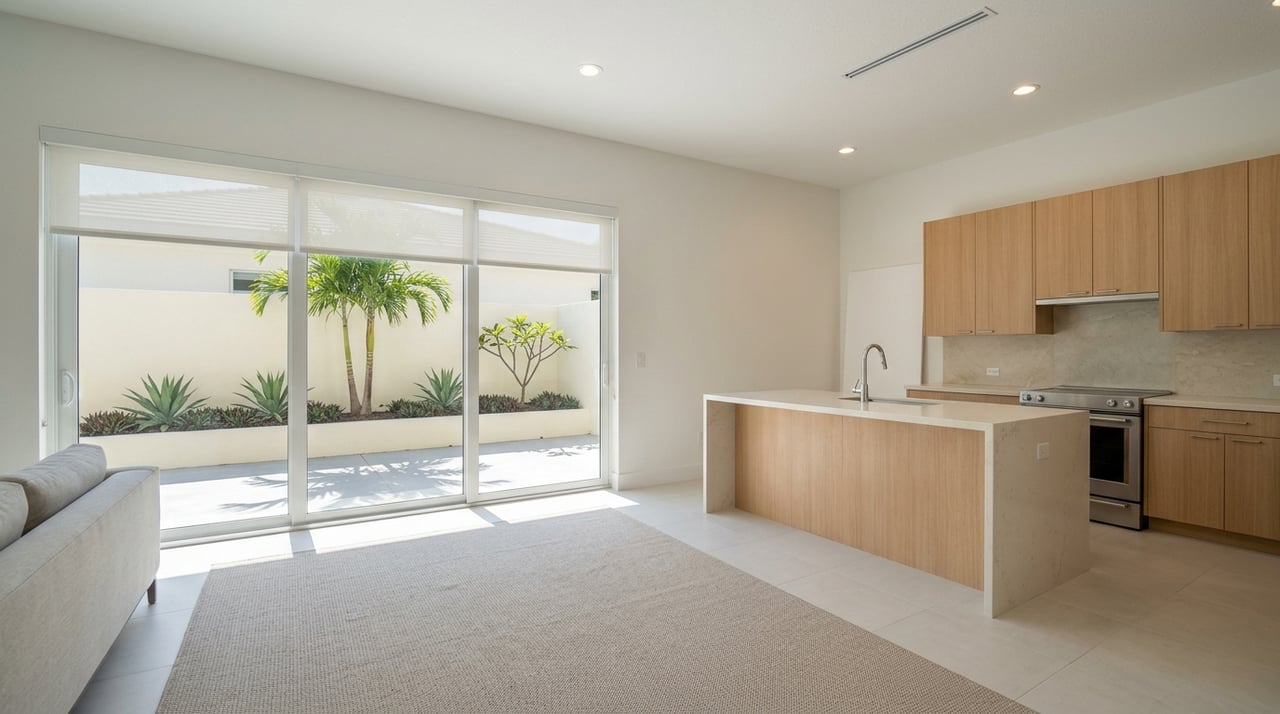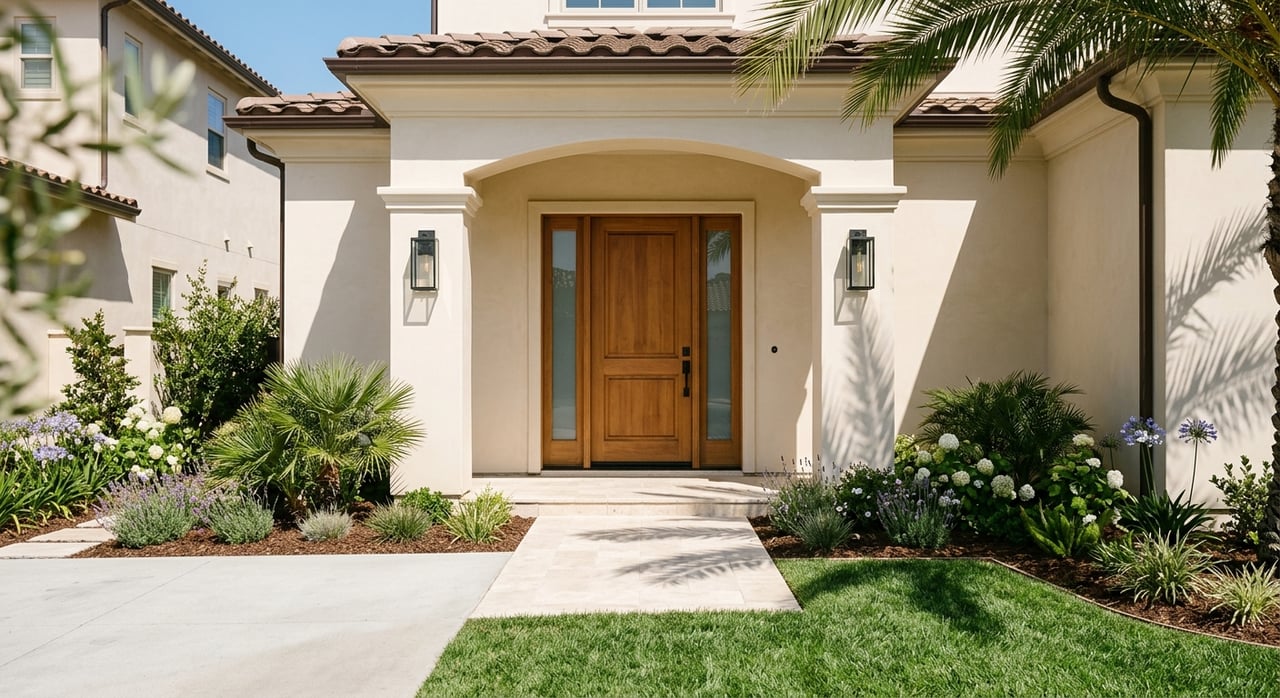
Shopping for a home in North Port and keep seeing the phrase “master-planned community”? You are not alone. The lifestyle, amenities, and clean look can be a big draw, but the rules, fees, and long build timelines can be confusing from the outside. In this guide, you will learn what an MPC is, how HOAs and CDDs work, what to expect with new construction vs resale, and the key steps to verify costs and rules in North Port. Let’s dive in.
What a master-planned community is
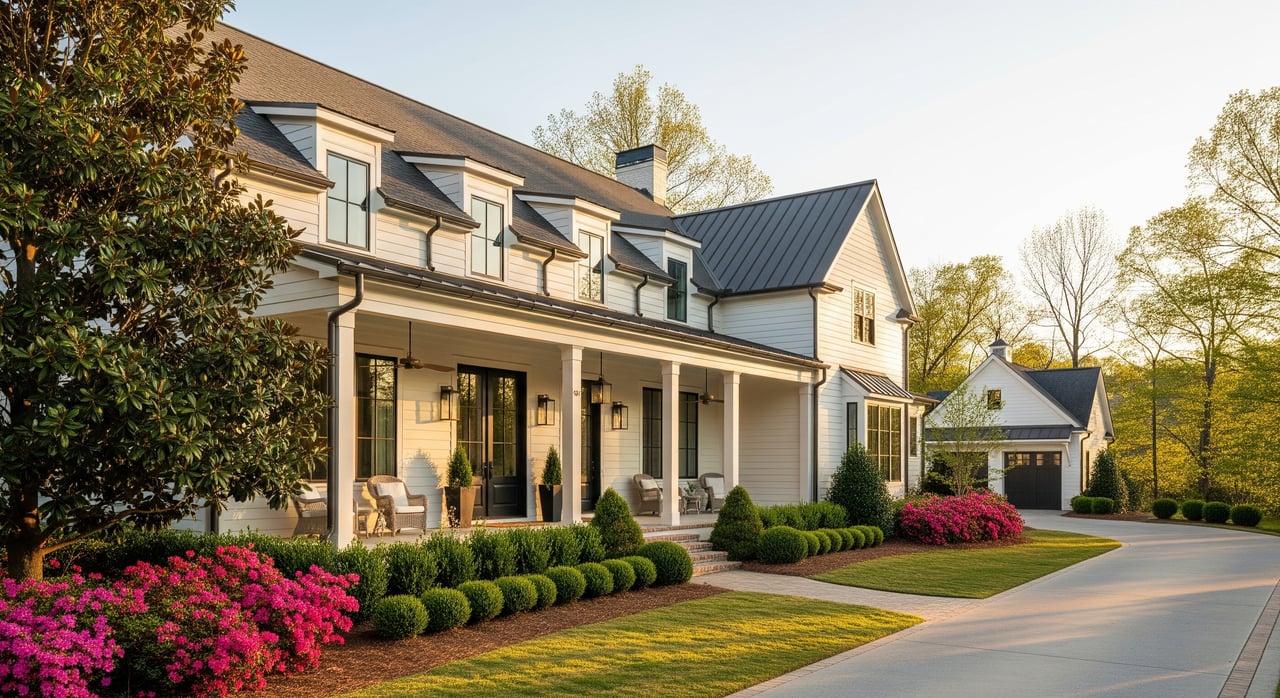
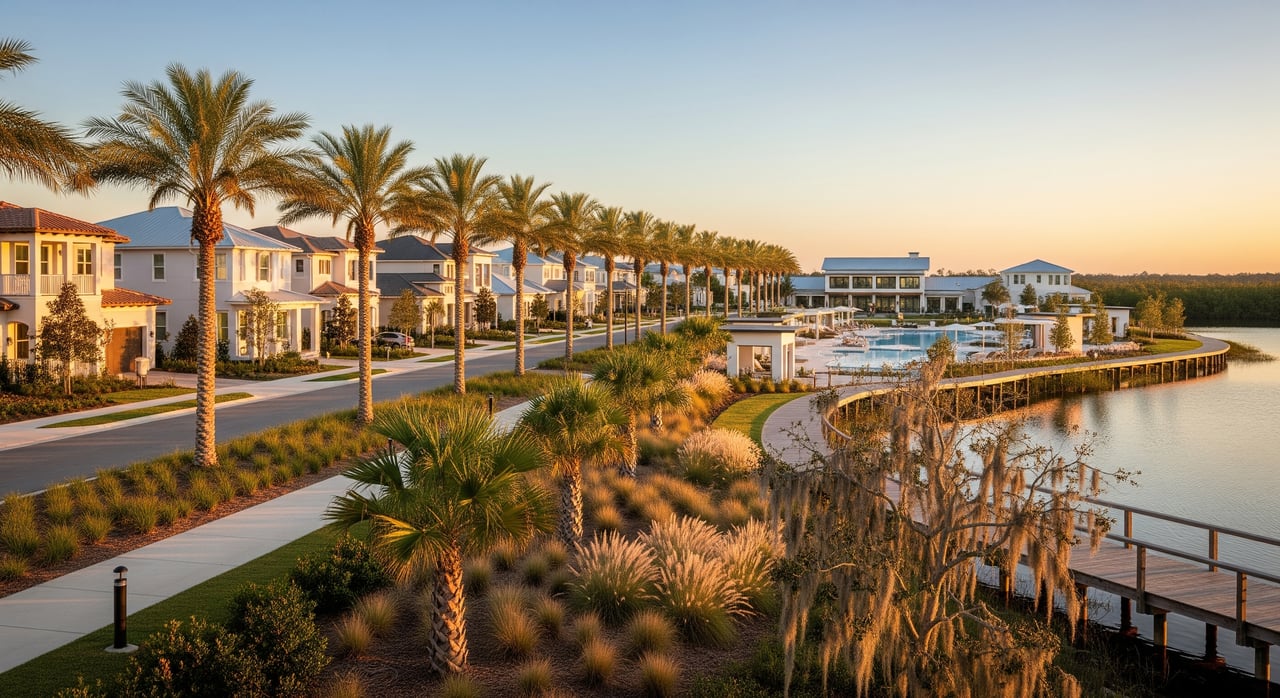
A master-planned community is a large residential development built in phases with a clear design and governance plan. You will see a mix of housing, shared amenities like pools and trails, and often some nearby shops or services. Most MPCs are run by a homeowners’ association that sets and enforces rules to keep the community consistent.
Key parts include:
- Central amenities and common areas.
- Deed restrictions and architectural standards.
- An HOA or property owners’ association overseeing operations.
- Multi-year buildout across several phases.
Why North Port buyers choose MPCs
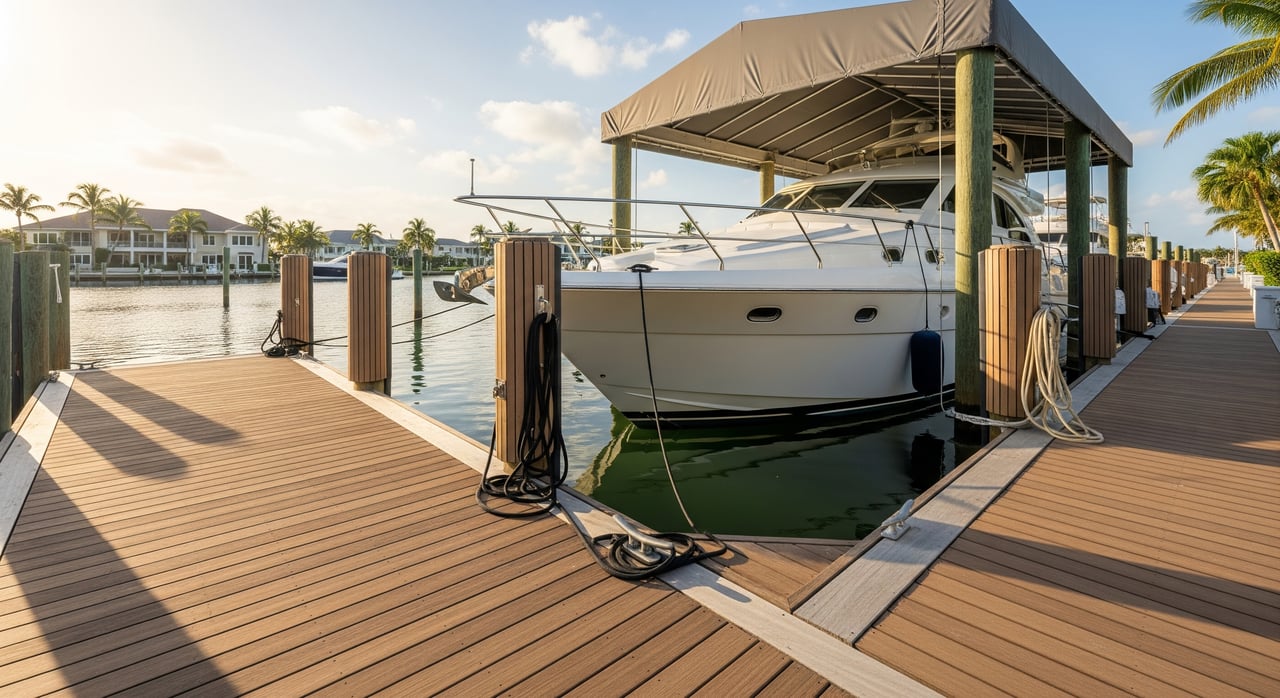
Southwest Florida has the land and buyer demand for amenity-rich neighborhoods. Many people relocating from out of state want an easy, low-maintenance lifestyle with pools, fitness rooms, and social spaces close by. MPCs in and around North Port deliver that experience with predictable aesthetics and shared upkeep.
Amenities: what to expect
Common offerings in MPCs include:
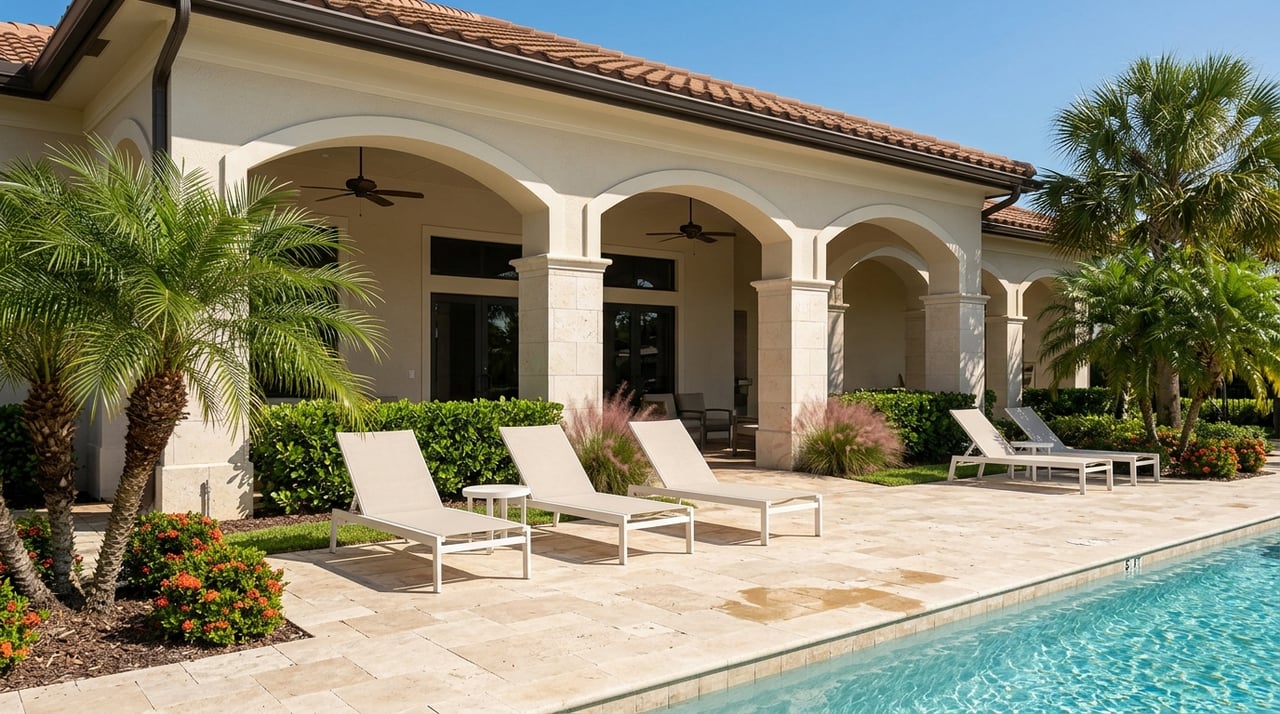
- Recreation: community pools, fitness centers, tennis or pickleball courts, playgrounds, and dog parks.
- Outdoors: walking trails, greenways, lakes, and sometimes golf.
- Social spaces: clubhouses and event rooms, with cafes or casual dining in larger communities.
- Services: common-area landscaping, gate control in some neighborhoods, and onsite management for larger properties.
Important notes for you:
- Amenities are often built in phases. Early buyers may wait months or years for the full package.
- Some facilities, such as golf courses, can be privately operated. Fees and access rules may differ from the HOA’s other amenities.
Rules, CC&Rs, and design review
Most MPCs use CC&Rs, or covenants, conditions, and restrictions, to set standards for exterior appearance and lot use. An Architectural Review Board or Design Review Committee approves changes like paint colors, fences, pools, patios, solar panels, and landscaping.
When you evaluate a community, look for:
- What requires approval and how long approval takes.
- Any application fees for design review.
- Clear rules for screening utilities, driveway materials, and yard maintenance.
HOAs, budgets, and fees
MPCs often have a master HOA and sometimes smaller sub-associations for condos or villa sections. The master HOA typically runs large amenities and determines community-wide standards.
What to review before you buy:
- Budgets and financials. See current and prior-year budgets, reserve contributions, and insurance for common areas.
- Assessments. Understand monthly or quarterly fees, any one-time capital contributions at closing, and how special assessments are approved.
- Reserve studies. These show long-term capital needs for roofs, roads, and amenities.
- Enforcement. Learn how fines and violations are handled.
Florida has specific laws for homeowner and condominium associations in Chapters 720 and 718 of the Florida Statutes. Ask your agent or an attorney to help you review the disclosure packet and timelines for cancellation rights.
Developer control and CDDs
In new communities, the developer usually controls the HOA until enough homes are sold and the board turns over to owners. During this period, policies and priorities are set by the developer.
Financing and services to check:
- Builder warranties. Coverage varies by builder, so request warranty terms and the claim process before you sign.
- Community Development Districts. Some Florida MPCs use CDDs to finance roads, utilities, and amenities. If applicable, the CDD will appear on your property tax bill as a separate, predictable line item.
New construction vs resale
Both paths can work well in North Port. Your timeline, tolerance for construction activity, and desire for customization will guide the choice.
New construction pros
- Newer building codes, energy-efficient systems, and modern layouts.
- Builder warranties for materials and systems.
- Chance to select finishes if you buy early in a phase.
New construction cons
- Lot premiums or upgrade costs can push the price higher.
- Amenities may not be complete when you move in.
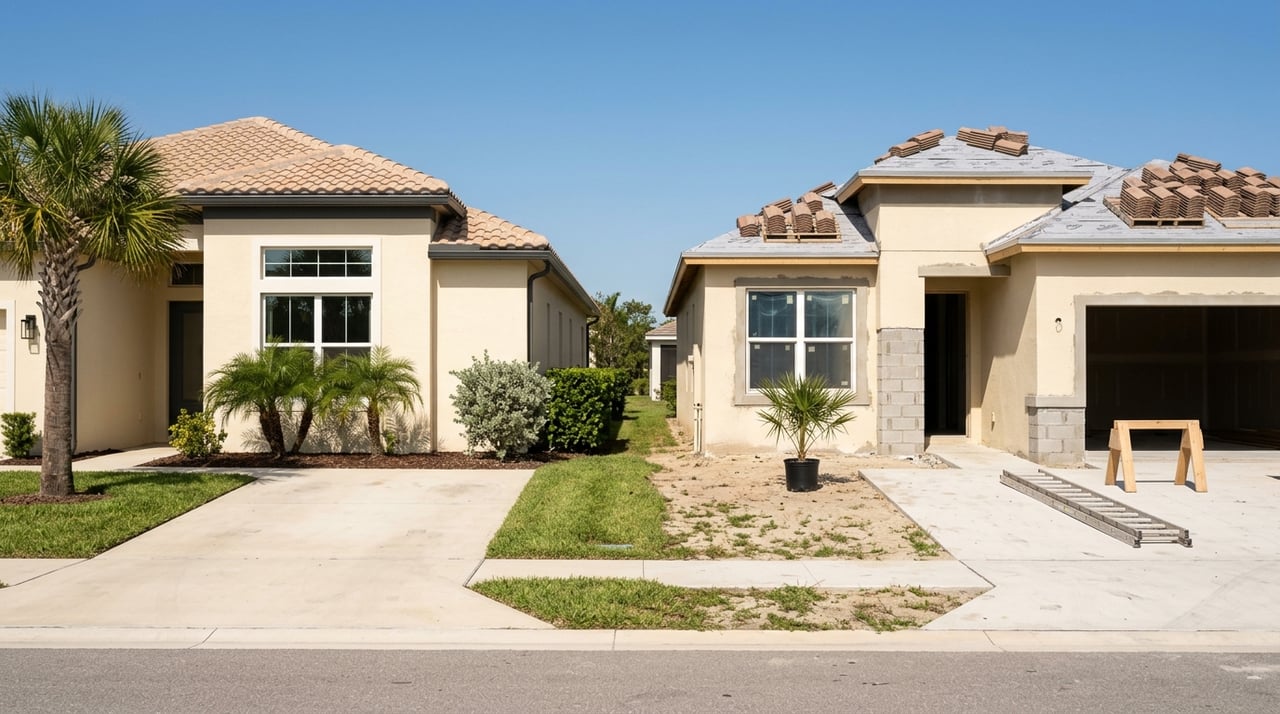
- Developer runs the HOA until turnover. Construction activity may continue for years.
Resale pros
- Mature landscaping, completed amenities, and known costs.
- More negotiating room and unique upgrades from prior owners.
- A clear HOA history with budgets, minutes, and a reserve study to review.
Resale cons
- Potential repairs or updates to systems and roofs.
- Older homes can have higher utility costs than new builds.
North Port due diligence: local checks
North Port sits in Sarasota County with quick access to I-75 and daily conveniences. Before you focus on a single neighborhood, map your commute to regular stops and check the surrounding land use. For plats, zoning, or approved master plans, use the City of North Port’s official website.
Flood and insurance. Southwest Florida is low elevation in many areas. Confirm the FEMA flood zone and request an elevation certificate for a specific lot, especially if a lender will require flood insurance. Start with the FEMA Flood Map Service Center.
Schools and services. North Port is served by Sarasota County Schools. Verify school assignments directly with the district and confirm proximity to healthcare, grocery stores, and key roadways.
Market context. For local market insights and trends, review reports from the Sarasota Association of Realtors and statewide context from Florida Realtors. Use these to understand inventory, absorption, and pricing patterns as you plan timing and offers.
Builder reputation. Compare national and regional builders active in North Port. Look at completed phases nearby, warranty claim responsiveness, and local reviews. A quick drive or virtual walk through a finished phase can tell you a lot about long-term quality.
Documents to request before you commit
Gather these items either before you sign or during your inspection period:
- CC&Rs, bylaws, and all rules for the master and sub-associations.
- Current and prior-year HOA budgets, recent financial statements, and reserve study.
- Minutes from the last 12 months of HOA board meetings.
- Any pending or upcoming special assessments, lawsuits, or developer obligations.
- Disclosure package required by Florida law, including insurance and assessments.
- CDD status and annual assessment schedule if applicable.
- Plat map, survey, easements, and utility locations.
- Builder warranty documents and claims process.
- Elevation certificate and FEMA flood zone printout for the lot.
- Title commitment and survey prior to closing, especially if you plan exterior changes.
Virtual tours and remote viewing tips
If you are shopping from out of state, virtual tours are a smart first pass. Preview model homes and floor plans from major builders using the Lennar virtual tour hub, Pulte Homes virtual tours, and D.R. Horton virtual tours.
When you tour virtually, look closely at:
- Lot orientation, backyard privacy, and proximity to amenities.
- Rear setbacks, view corridors, and window placements for natural light.
- What is a builder upgrade in the model versus base features. Confirm in writing before you sign.
Quick pre-offer checklist
Use this short list to stay focused:
- Confirm master HOA and any sub-HOAs, plus who controls each.
- Get CC&Rs, rules, budgets, reserve study, and last 12 months of minutes.
- Verify presence of a CDD and the annual charge.
- Ask about pending assessments or litigation.
- Get the amenity phasing plan and estimated completion dates.
- Check FEMA flood zone and ask for an elevation certificate.
- Research builder reputation and warranty terms.
- Confirm rental rules if you plan any rental activity.
- Note how design approvals work and typical turnaround times.
During inspection and after closing
During your inspection window:
- Review the full association disclosure package.
- Order a full home inspection, even on a new build, to document items for warranty.
- Review title and survey for easements and encroachments.
- Confirm insurance options and costs, including flood if needed.
After closing:
- Register with the HOA management company and request the owner transfer packet.
- Collect keys, gate credentials, and amenity access cards.
- Follow ARB rules before starting any exterior project.
Your next step
If you are comparing new and resale options in North Port, a clear plan will save you time and reduce surprises. We help you preview communities, request the right documents, and set up virtual or in-person tours so you can make a confident decision.
Ready to get started? Reach out to Jennifer & Philip Taberski for a focused shortlist, a document checklist tailored to your goals, and a fast path from research to offer.
FAQs
What is a master-planned community in North Port?
- It is a large, phased neighborhood with shared amenities, CC&Rs that guide appearance and use, and an HOA that manages common areas and rules.
What do HOA fees usually cover in these communities?
- Fees typically fund landscaping of common areas, amenity operations, insurance for shared spaces, management, reserves, and sometimes gate or security services.
Will all amenities be finished when I close on a new home?
- Not always. Many amenities are phased. Ask for the current construction schedule and confirm estimated completion dates in writing.
How does a CDD affect my monthly housing cost?
- If a CDD applies, it appears as a separate line on your property tax bill, which effectively raises your monthly escrowed payment.
How do I check flood risk for a specific North Port lot?
- Look up the property on FEMA flood maps, request the lot’s elevation certificate, and discuss insurance with your lender and insurer.
Who approves exterior changes like fences or pools?
- The community’s Architectural Review Board or Design Review Committee reviews and approves exterior changes based on the CC&Rs.
Are short-term rentals allowed in MPCs?
- Policies vary by community. Review the CC&Rs and rules for rental restrictions before you make an offer.