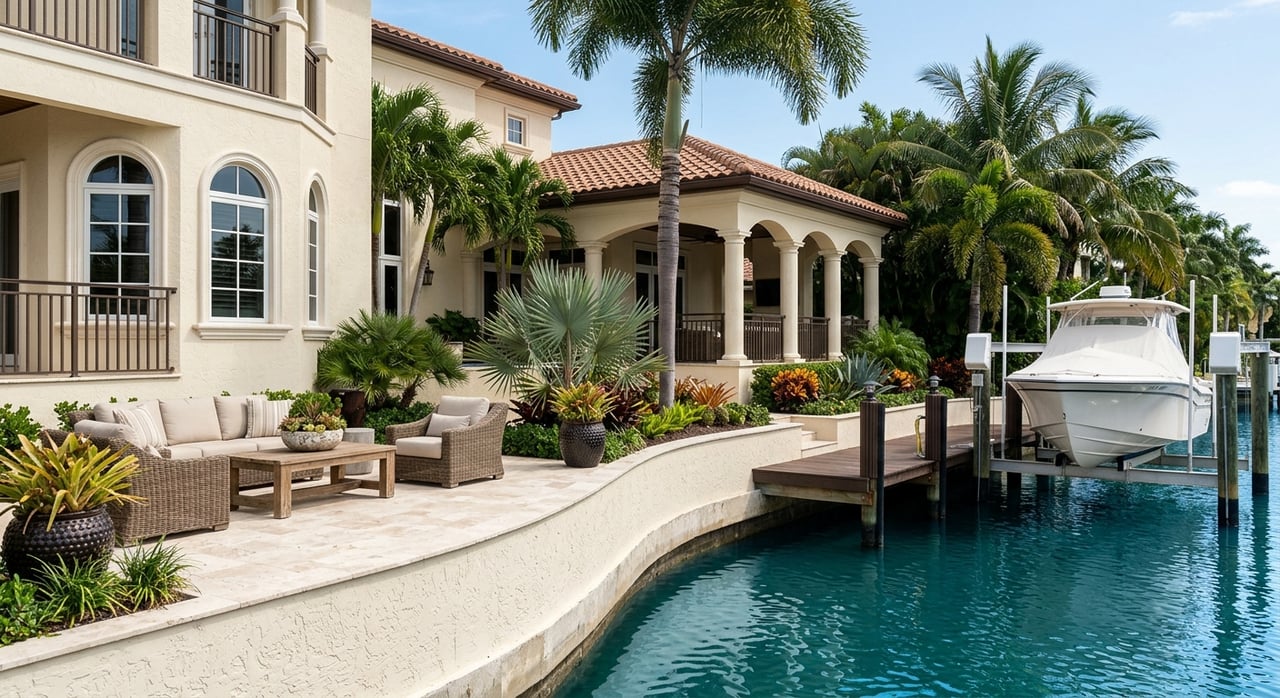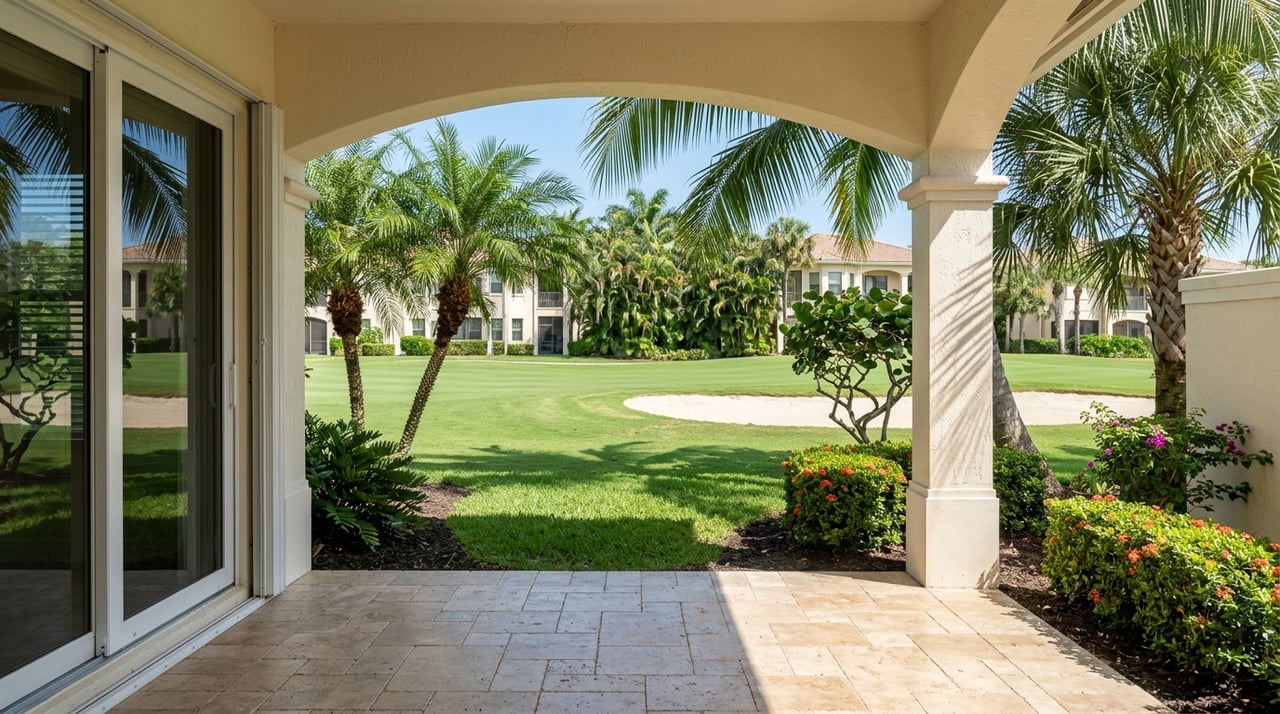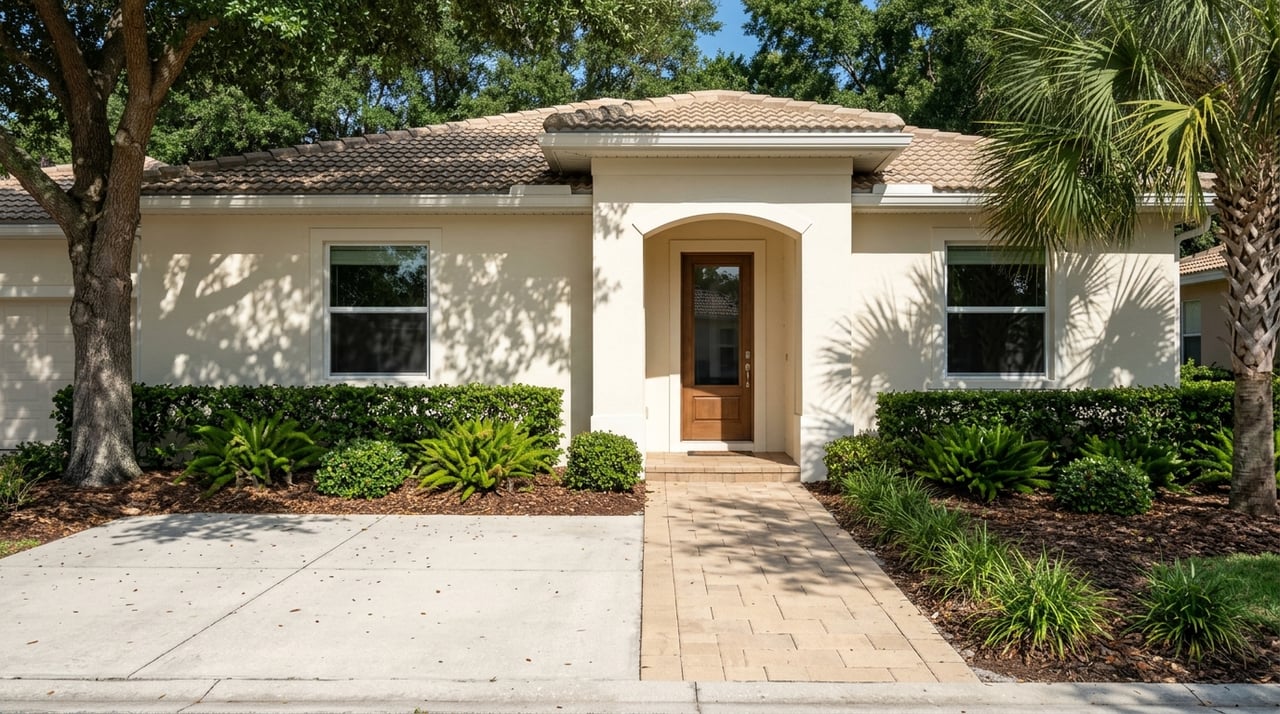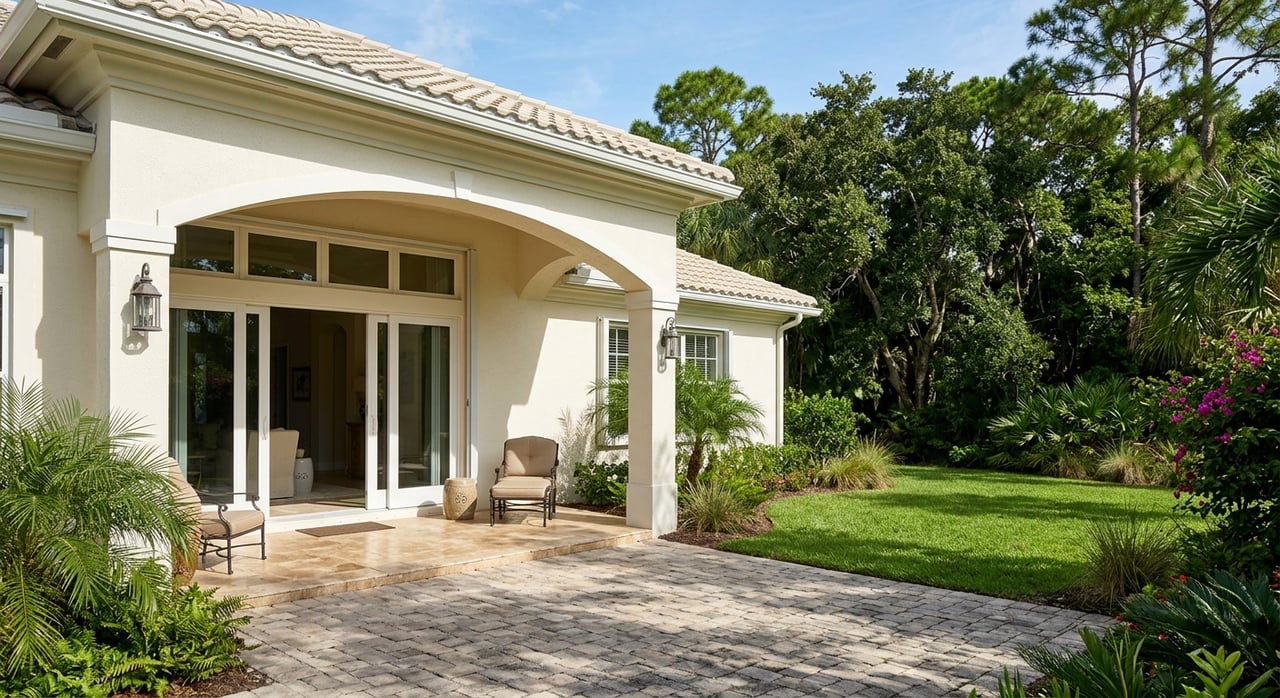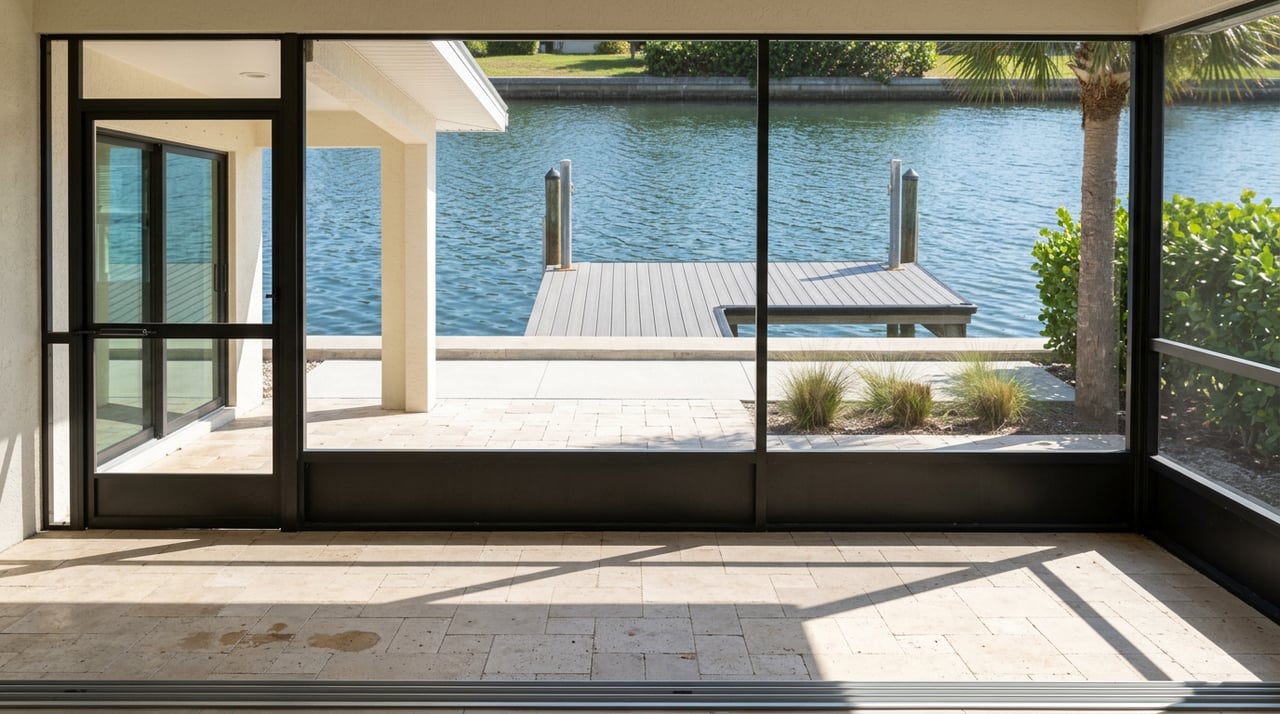
Thinking about stepping from your lanai onto your boat and cruising into Charlotte Harbor? In Charlotte County, two names rise to the top for waterfront living: Port Charlotte and Punta Gorda. Each gives you backyard canals and access to the harbor and Gulf, but they feel different on the water and on land. In this guide, you’ll learn how canal layouts, boat access, maintenance responsibilities, costs, and lifestyle stack up so you can focus your search with confidence. Let’s dive in.
The shared waterfront: Harbor and Gulf access
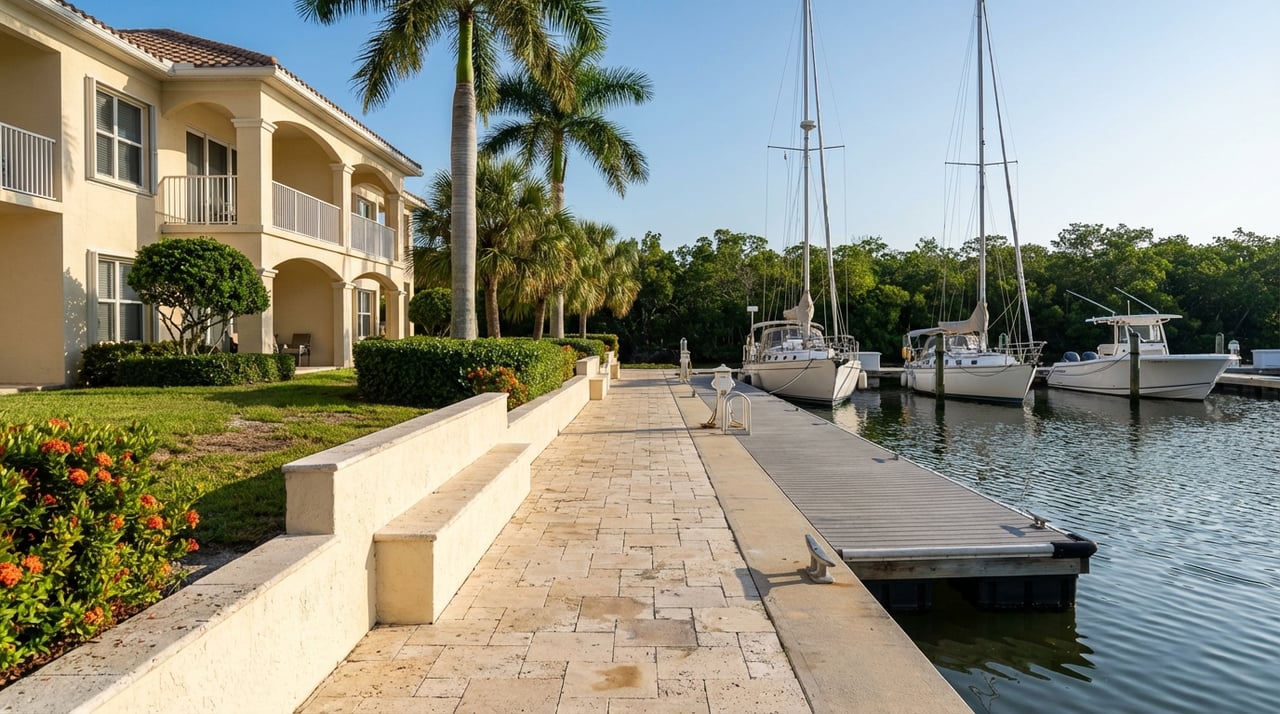
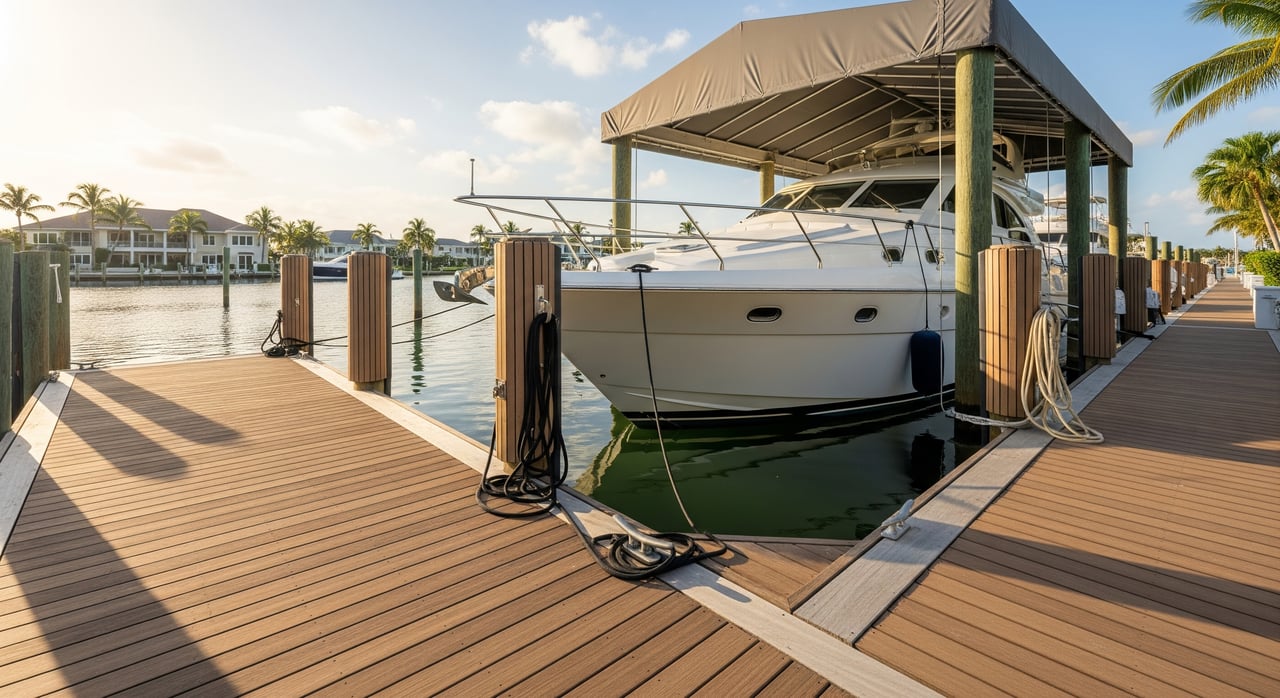
Both Port Charlotte and Punta Gorda sit on the Charlotte Harbor and Peace River estuary, with routes to Boca Grande Pass and the Gulf. Punta Gorda’s marina scene centers on a walkable waterfront district with Fishermen’s Village’s marina and Laishley Park’s municipal docks. South of town, Burnt Store Marina is a major deepwater option used by larger vessels.
What this means for you: Punta Gorda’s purpose-built canal neighborhoods and nearby marinas tend to offer shorter, more predictable rides into open water. Port Charlotte has many boatable canals too, but ride times and depths can vary by neighborhood, so you’ll want to verify details for each property.
Punta Gorda waterfront at a glance
Boating and canals
Punta Gorda Isles (PGI) and Burnt Store Isles (BSI) are planned canal systems managed by the city through formal canal maintenance districts. The city runs ongoing dredging and seawall programs across these districts, which helps keep navigation consistent. You can review the city’s program details and updates on the Punta Gorda canal maintenance page.
Depths are a key advantage. City-maintained channels commonly target about 6 feet at mean low water in primary routes, and many internal canals report deeper spots, often 8 to 15 feet in places. This makes PGI and BSI especially accommodating for a wide range of powerboats and many shoal-draft sailboats. Sailors should still confirm draft and tide windows, and note that some areas rely on a primary sailboat exit channel. For local navigation notes and depth context, see this PGI canal-depth overview.
Seawalls and maintenance responsibilities
A major Punta Gorda differentiator is predictability. The city oversees inspections, dredging, and seawall replacement within the PGI and BSI districts, funded by canal assessments. This municipal structure removes much of the guesswork about who coordinates large-scale work, although homeowners still share in costs through assessments. City advisory materials document multi-million-dollar seawall replacement efforts tied to storm recovery, which underscores the scale of the program. You can see an example of the budgeting approach in this city committee agenda and budget packet.
Housing and lots
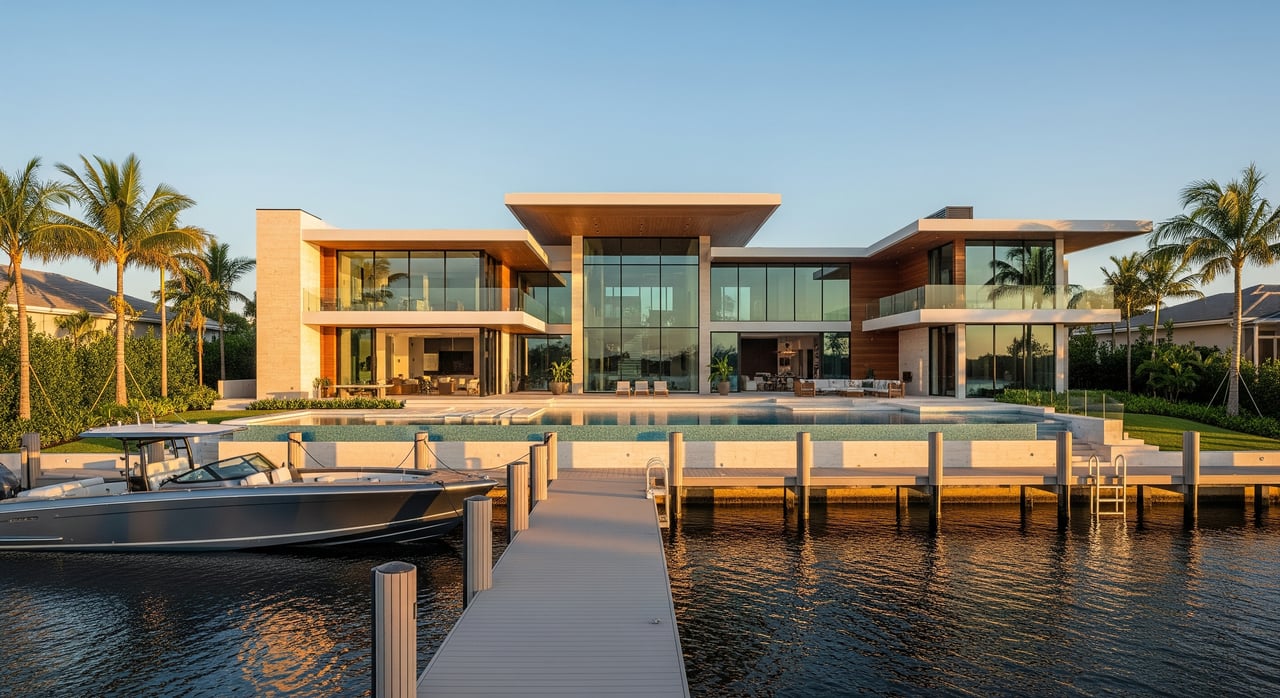
Expect a mix of mid-century canal homes and newer custom builds. Many properties include private docks and lifts as standard features, with lots designed around concrete seawalls and straight dockage. The result is a polished, purpose-built waterfront look and feel.
Port Charlotte waterfront at a glance
Layout and access
Port Charlotte covers a larger area with many mid-20th-century platted canal neighborhoods. The canal footprint is extensive and varies by subdivision, as shown on the county’s canals and man-made waterways map. You’ll find quick-access pockets along wider waterways, as well as narrower, more winding finger canals.
The trade-off is variability. Some routes are shallow or circuitous, and fixed bridges or tight passes can limit mast height or deep drafts. Short, predictable ride times are not guaranteed everywhere, so confirm depth, bridge clearances, and the exact route to Charlotte Harbor for any property you’re considering.
Maintenance and permits
Unlike Punta Gorda’s city-run districts, Port Charlotte’s canal upkeep is often a patchwork of county permitting and individual owner responsibility. If you need seawall or dock work, you’ll work directly with contractors under county rules and permits. You can review requirements on the county’s residential seawall permit application. This approach can offer lower entry prices but places more due diligence and coordination on you as the owner.
Housing and lots
Port Charlotte’s waterfront stock spans older single-family homes, mobile/modular options, and newer infill builds. Lots tend to be narrower and less uniform compared with many custom PGI parcels. You’ll find more variation in dock design, lift capacity, and seawall condition, so inspections matter.
Price context and cost planning
- Market snapshot: Port Charlotte’s broader median sale price hovers around the mid-$200s (about $275,000), while downtown Punta Gorda shows a higher median near the mid-$300s (about $365,000). Waterfront canal properties, especially those with short ride times or deeper water, often trade well above these area medians.
- Takeaway: Punta Gorda’s canal districts and marina-adjacent neighborhoods generally command a premium for predictability and access. Port Charlotte offers more value-oriented options with greater variation in canal characteristics and maintenance responsibility.
Seawall and dock budgets
Seawall replacement costs vary widely by design and site conditions. Industry guidance places residential seawall replacement roughly in the $150 to $800 or more per linear foot range. Dock and lift installations can run from several thousand into the tens of thousands depending on capacity and features. For planning context, see this overview of seawall cost ranges. Always obtain site-specific contractor quotes before finalizing your budget.
Insurance and flood checks
Charlotte County participates in FEMA’s National Flood Insurance Program and the Community Rating System. Flood zone, elevation, and building details can shift premiums materially, so address-level verification is essential. Start with the county’s guidance on flood insurance and resources. Also be aware that the NFIP’s Risk Rating 2.0 reshaped pricing nationwide. You can learn how those changes affect premium trends in this summary of Risk Rating 2.0 impacts. For actual quotes, work with licensed local insurance professionals.
Lifestyle: Downtown vibe vs dispersed convenience
Punta Gorda’s walkable waterfront
If you value strolling to restaurants, events, and marinas, Punta Gorda stands out. A compact downtown lines the Peace River and Charlotte Harbor, with anchors like Fishermen’s Village and Laishley Park offering boat slips, dining, and community events. Many canal homes in PGI and BSI sit a short drive or ride from these hubs.
Port Charlotte’s practical access
Port Charlotte’s retail and services are more spread out and car-friendly. You’ll find big-box corridors, shopping clusters, and neighborhood plazas that serve a wide geography. The feel is suburban and practical, with plenty of options within a short drive.
Decision guide: Where should you focus?
Use these three lenses to narrow your search quickly.
Boating habits
- Frequent long outings, sailboats or deeper-draft boats, preference for short, predictable routes to open water: prioritize PGI, BSI, and the Burnt Store area. Review city dredging information on the Punta Gorda canal maintenance page and confirm the sailboat exit routing using the PGI canal-depth overview.
- Casual powerboating, trailering, or occasional slip use: Port Charlotte canal neighborhoods can be cost-effective. Start by checking the county’s canal map and ask marinas or harbormasters about local controlling depths.
Maintenance tolerance and predictability
- Prefer municipal coordination and a defined program structure: Punta Gorda’s canal districts reduce day-to-day admin, though homeowners share costs through assessments. Details live on the city’s canal maintenance page.
- Comfortable managing seawall or dock work to save on purchase price: Port Charlotte often puts more responsibility on the owner for permits and contractors. Review the county’s seawall permit guidance.
Budget and lifestyle
- Higher budget and a desire for a marina-forward, walkable scene: look to Punta Gorda and Burnt Store.
- Value-focused buyers who accept more variability in depth and maintenance: explore Port Charlotte canals.
Buyer checklist: Verify before you write an offer
- Controlling depth: Confirm mean low water for the property’s canal and exit channels. Ask for recent soundings where available.
- Route constraints: Identify fixed bridges, narrow passes, locks, or a single sailboat exit channel that could limit mast height or draft.
- Seawall and dock condition: Order current inspections. Note age, material, and any hurricane-related repairs or replacements.
- Maintenance responsibility: In Punta Gorda, confirm whether the home is in a PGI or BSI maintenance district and any current assessments. In Port Charlotte, confirm owner responsibility and permit history.
- Insurance and flood: Pull the property’s flood zone and, if applicable, obtain an elevation certificate. Get quotes for both homeowner and flood coverage.
- Marina options: If you plan to berth a larger vessel or need quick refueling and service, review availability at Burnt Store Marina and Punta Gorda’s downtown facilities.
How we can help
Choosing between Port Charlotte and Punta Gorda starts with your boat, your budget, and your day-to-day routine. We pair local canal knowledge with digital tools that make decisions easy from anywhere. Want dock and depth details before you fly in? We’ll gather the records, coordinate inspections, and host live video tours so you can compare homes with confidence.
When you’re ready, connect with Jennifer & Philip Taberski for a buyer game plan tailored to your boating style and budget. Prefer a step-by-step marketing roadmap for your current home first? Get your free digital listing plan and see how our multi-MLS reach and pro video elevate your sale.
FAQs
What’s the key boating difference between Port Charlotte and Punta Gorda canals?
- Punta Gorda’s canal districts have city-managed dredging and seawall programs that support more predictable depths and shorter routes, while Port Charlotte’s canals vary by neighborhood and often require site-by-site checks.
Are Punta Gorda canals sailboat friendly?
- Many are suitable for shoal-draft sailboats, with city-maintained channels commonly targeting around 6 feet at mean low water, but sailors should confirm draft, tide windows, and exit routing before buying.
Who pays for seawalls and dredging in each area?
- In Punta Gorda Isles and Burnt Store Isles, the city coordinates work funded by canal assessments; in Port Charlotte, owners typically handle permits and repairs directly under county rules.
Do all “waterfront” homes have Gulf access?
- Not always; verify controlling depth, bridges, and route constraints for your specific property to confirm whether you truly have practical access to Charlotte Harbor and beyond.
What should I budget for seawall replacement?
- Site-specific quotes are essential, but industry ranges often run about $150 to $800 or more per linear foot depending on design, access, and permitting.
How should I approach flood insurance on canal homes?
- Check the property’s flood zone, obtain an elevation certificate if needed, and get quotes for NFIP and private options since premiums vary by elevation and risk profile.