Trying to decide between Burnt Store Lakes and Burnt Store Village along the Burnt Store corridor in Punta Gorda? You are not alone. Many buyers weigh HOA rules, boating access, and day-to-day convenience before they choose. In this guide, you will learn how each community lives, what to expect from HOAs and homes, and how close you are to Burnt Store Marina. By the end, you will know which neighborhood better fits your lifestyle. Let’s dive in.
Quick side-by-side snapshot
Use this comparison to get oriented, then read the deeper sections below.
| Feature | Burnt Store Lakes (typical profile) | Burnt Store Village (typical profile) |
|---|---|---|
| HOA prevalence | Common; often a planned community HOA | Mixed; some HOAs, some no-HOA pockets |
| HOA strictness | Moderate to strict architectural controls | Variable by subdivision |
| Typical home types | Predominantly single-family, many one-story | Mix of single-family and some attached homes |
| Construction era | 1990s–2010s, plus some newer infill | Broader range; more older homes in spots |
| Waterfront options | Some lake/canal lots; community water features | Varies by micro-neighborhood |
| On-site amenities | Often pool, clubhouse, maintained common areas | Varies widely; some areas have few amenities |
| Proximity to marina | Moderate; often slightly inland | Often closer along the Burnt Store Road corridor |
| Typical buyer profile | Boating and low-maintenance seekers | Wider mix and sometimes fewer HOA obligations |
Where these communities sit
The Burnt Store corridor runs through north Punta Gorda in Charlotte County, Florida. It follows Burnt Store Road toward Charlotte Harbor and serves several neighborhoods that cluster around Burnt Store Marina. Buyers look here for boating access, newer construction, and a balance of lifestyle amenities with reasonable upkeep.
HOA rules and fees
Both areas include deed-restricted sections. HOAs commonly handle landscaping for common areas, entrances and signage, lake or canal upkeep where present, and private road maintenance if applicable. Most also run architectural review boards that cover exterior paint, landscaping changes, and boat or trailer storage.
- Burnt Store Lakes: Expect a planned community feel with architectural guidelines. HOA strictness ranges from moderate to firm. Dues are typically monthly or quarterly, depending on amenities and maintenance scope.
- Burnt Store Village: HOA presence is mixed. Some pockets have no HOA. Where HOAs exist, fees and rules vary by subdivision. Always verify the exact association for the property you are considering.
Associations may collect capital reserves or levy special assessments. Ask for budgets, reserve studies, and recent meeting minutes before you make an offer. Florida has specific disclosures for HOA communities, so plan to review the official documents during your due diligence.
Homes and lots
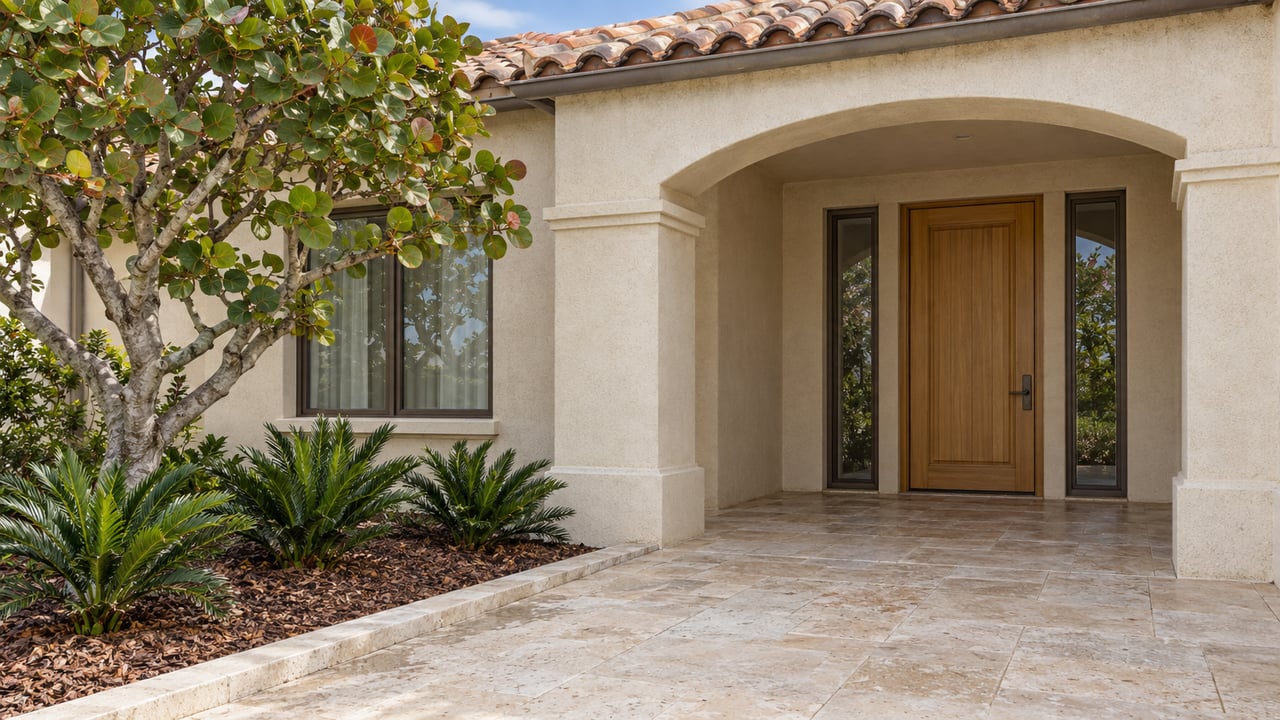
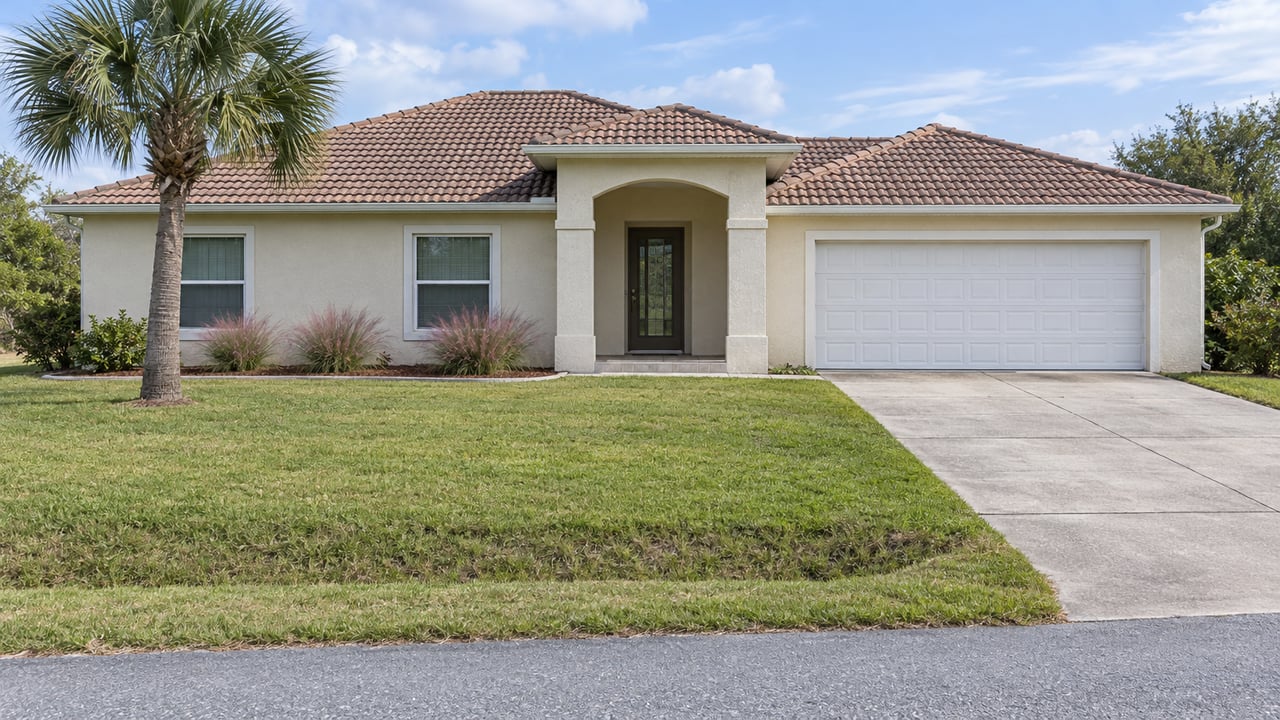
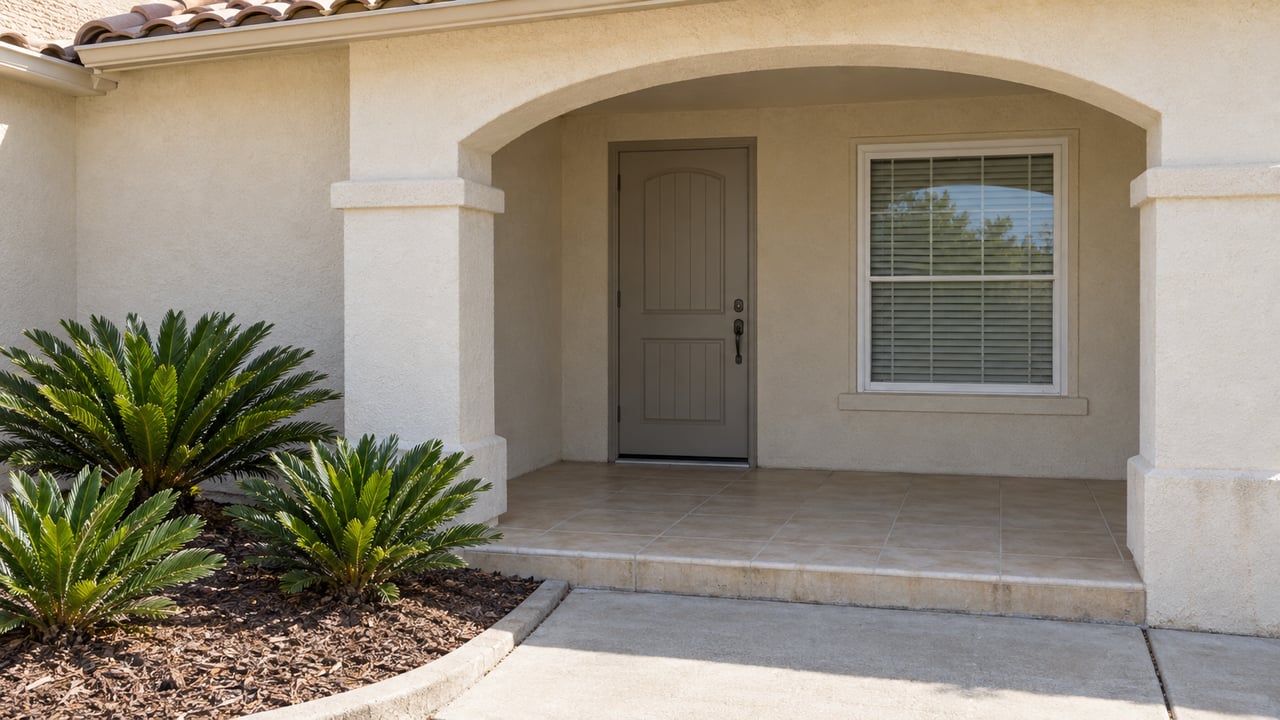
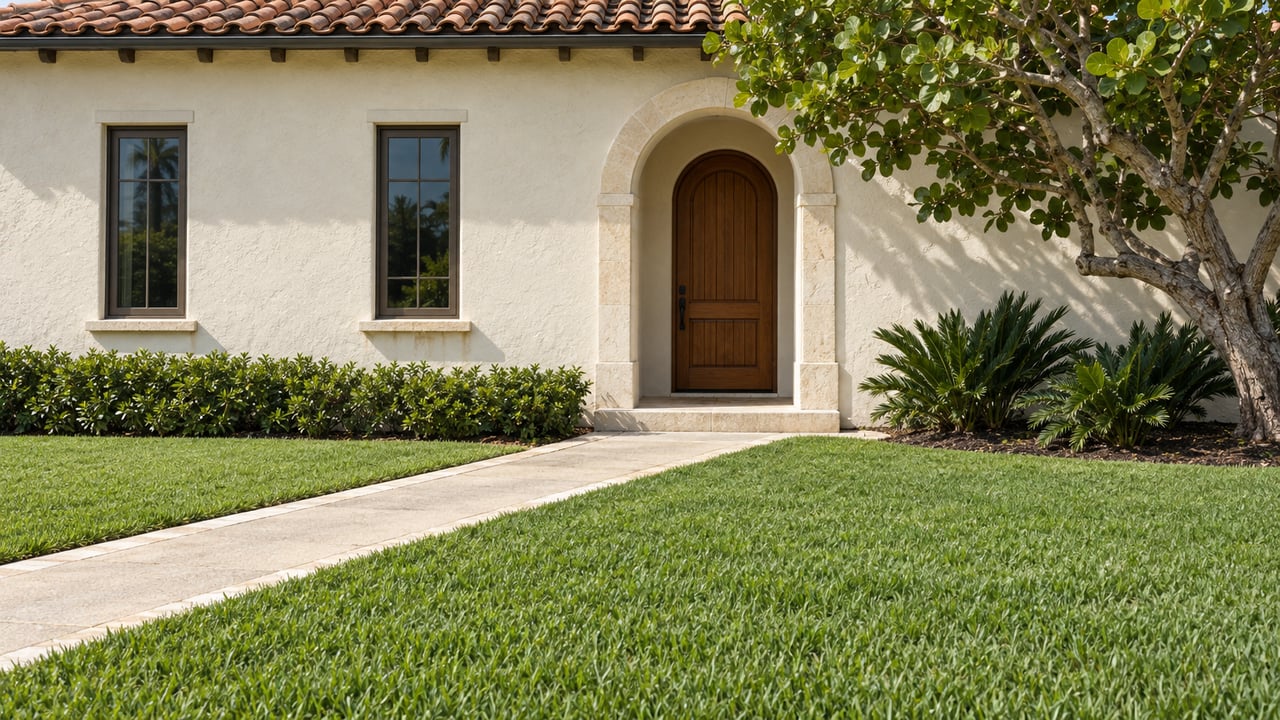
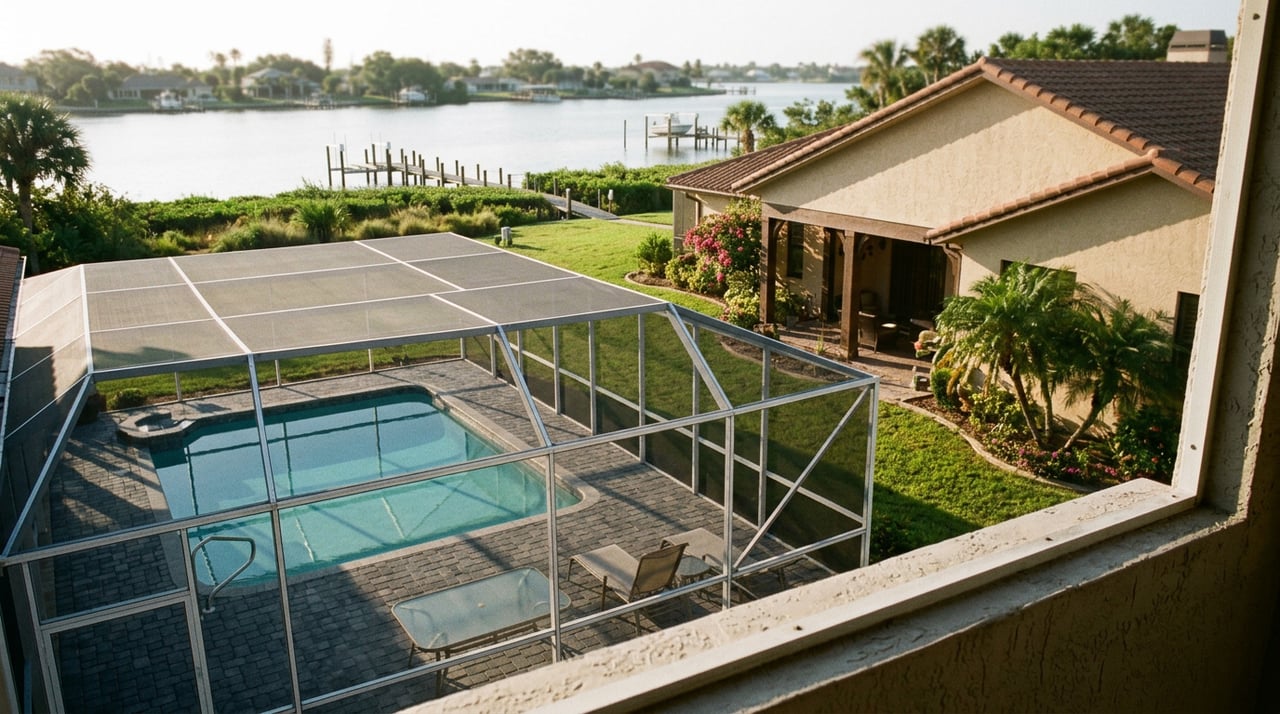
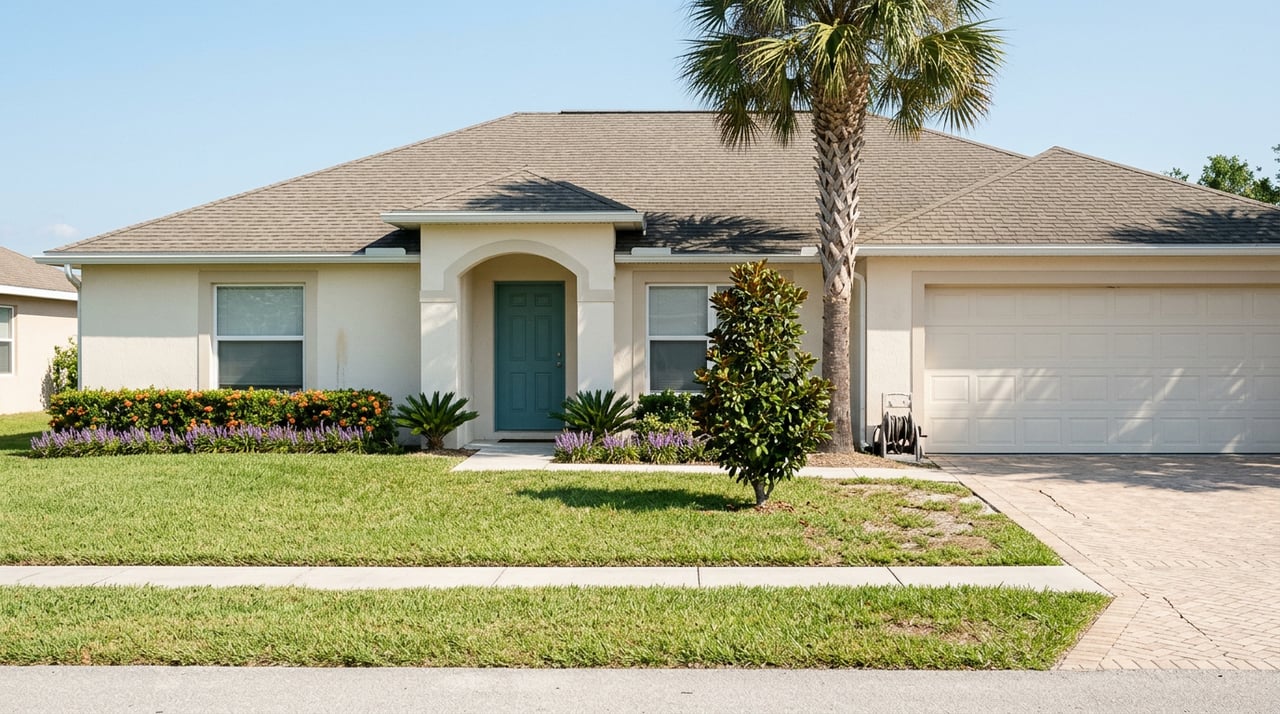
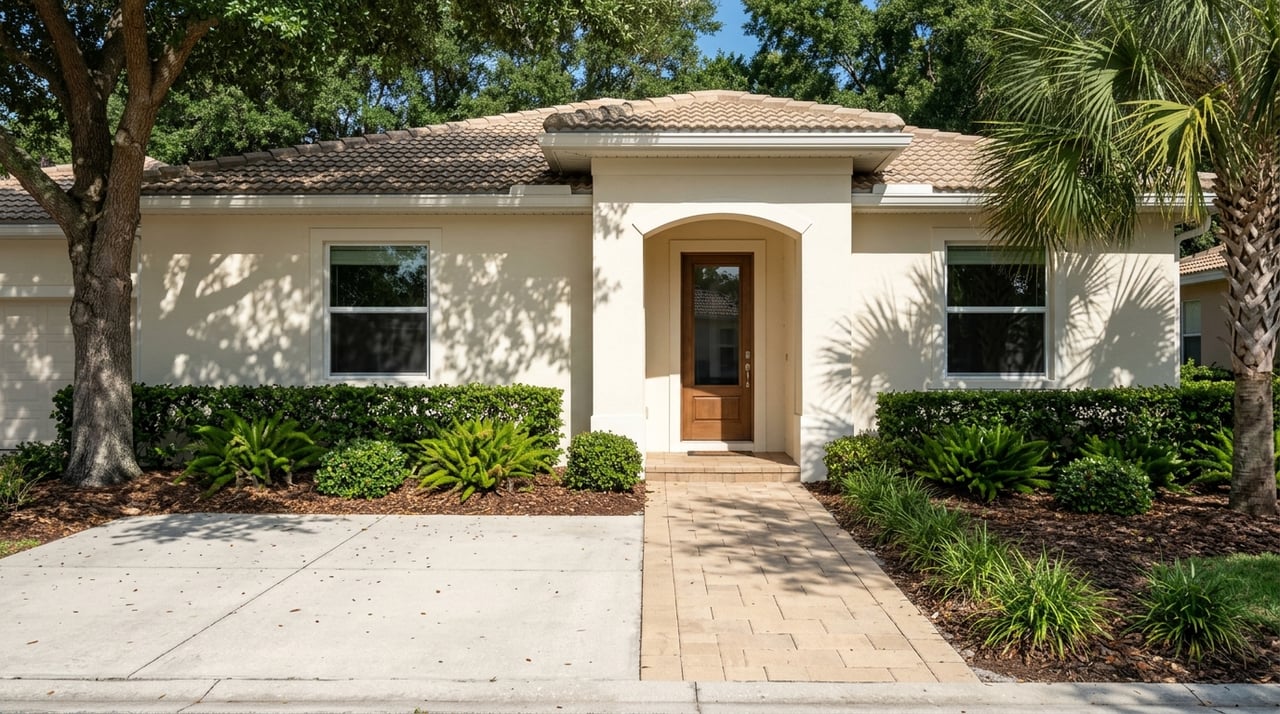
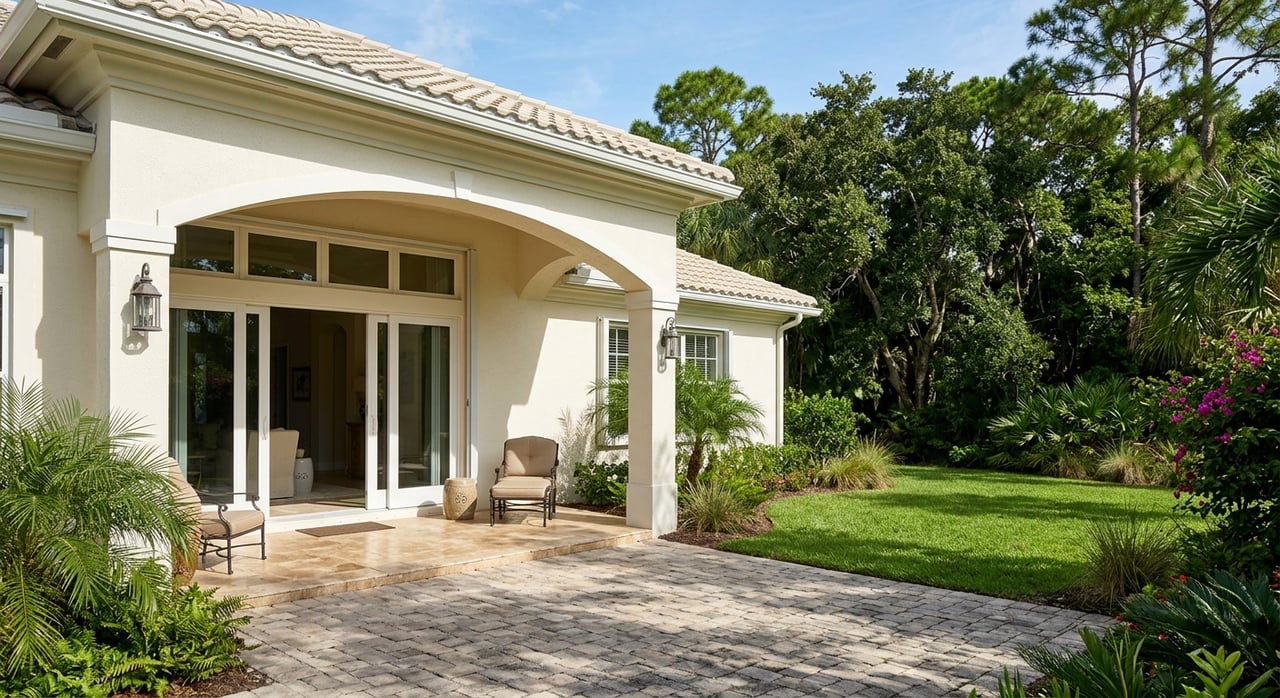
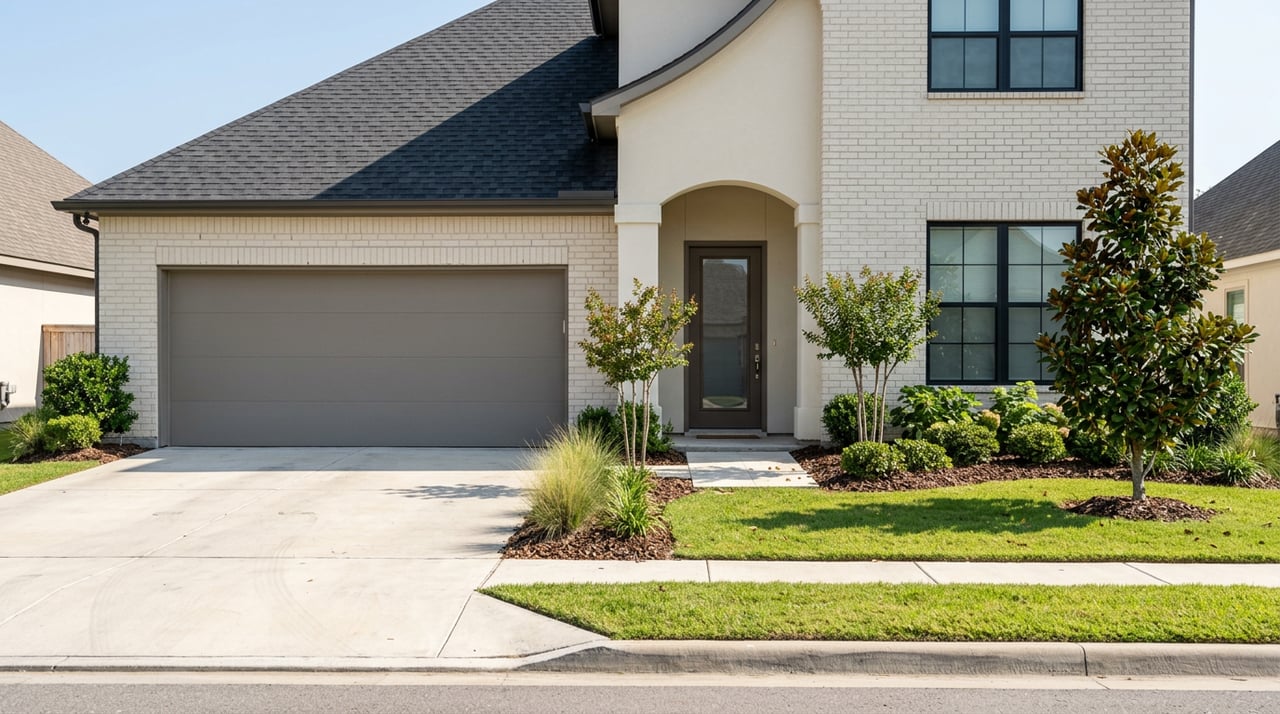
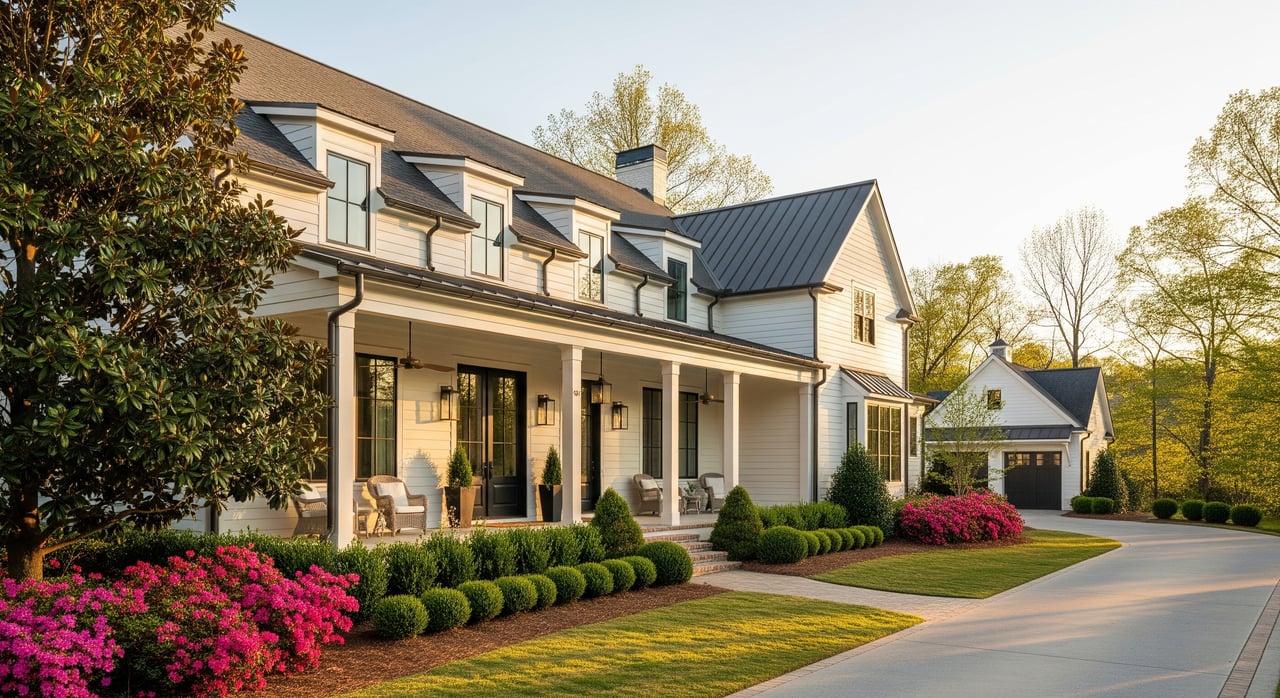
You will see a range of Florida-style homes across the corridor. Concrete block construction is common, along with shingle or metal roofs and screened lanais.
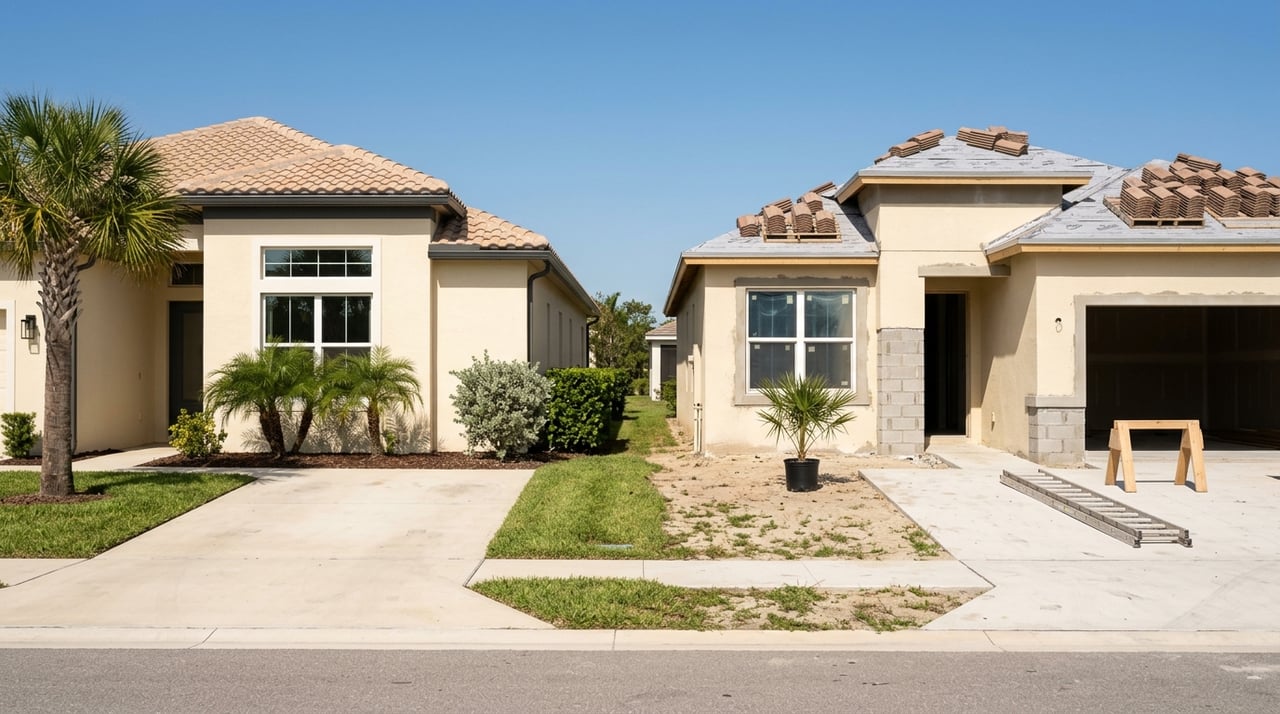
- Burnt Store Lakes: You will find many single-family homes built in the 1990s through the 2010s, plus occasional newer infill. Some lots back to lakes or canals. Interior lots are common too.
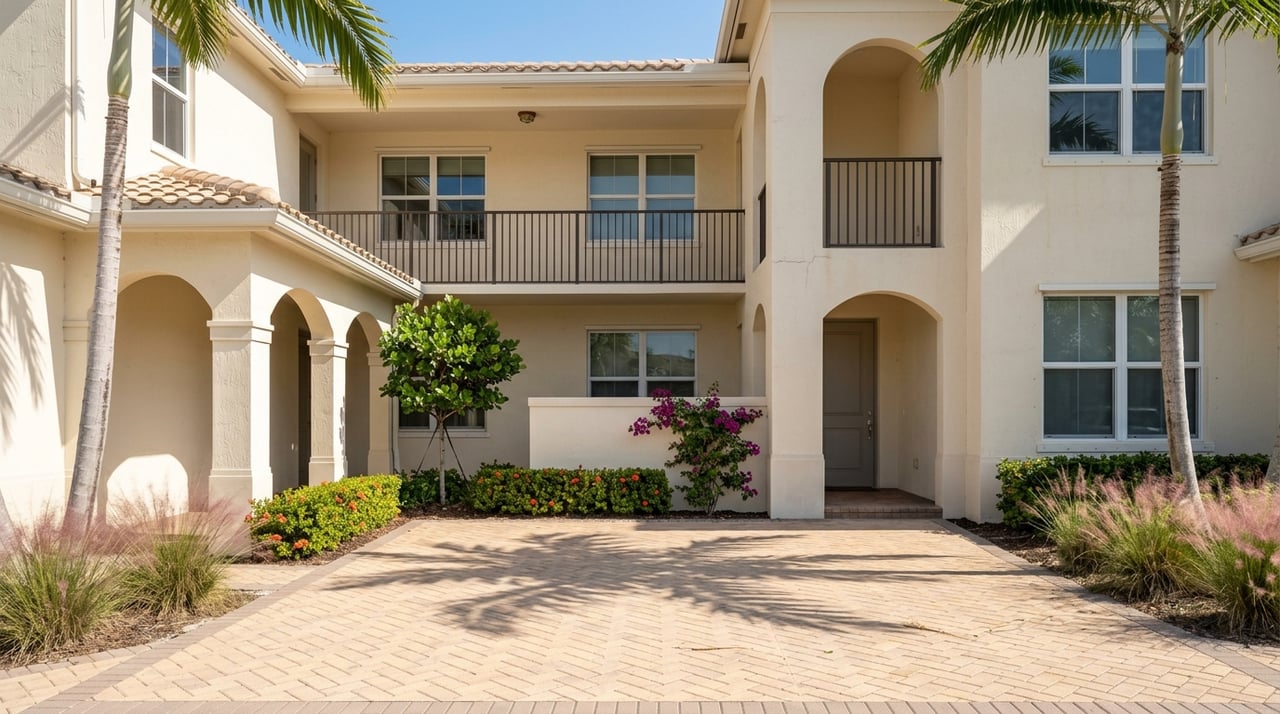
- Burnt Store Village: Expect a broader mix of ages and styles. You will see single-family homes, some attached or villa-style residences, and older homes in certain pockets. Lot sizes can vary, including modest suburban lots and some larger parcels.
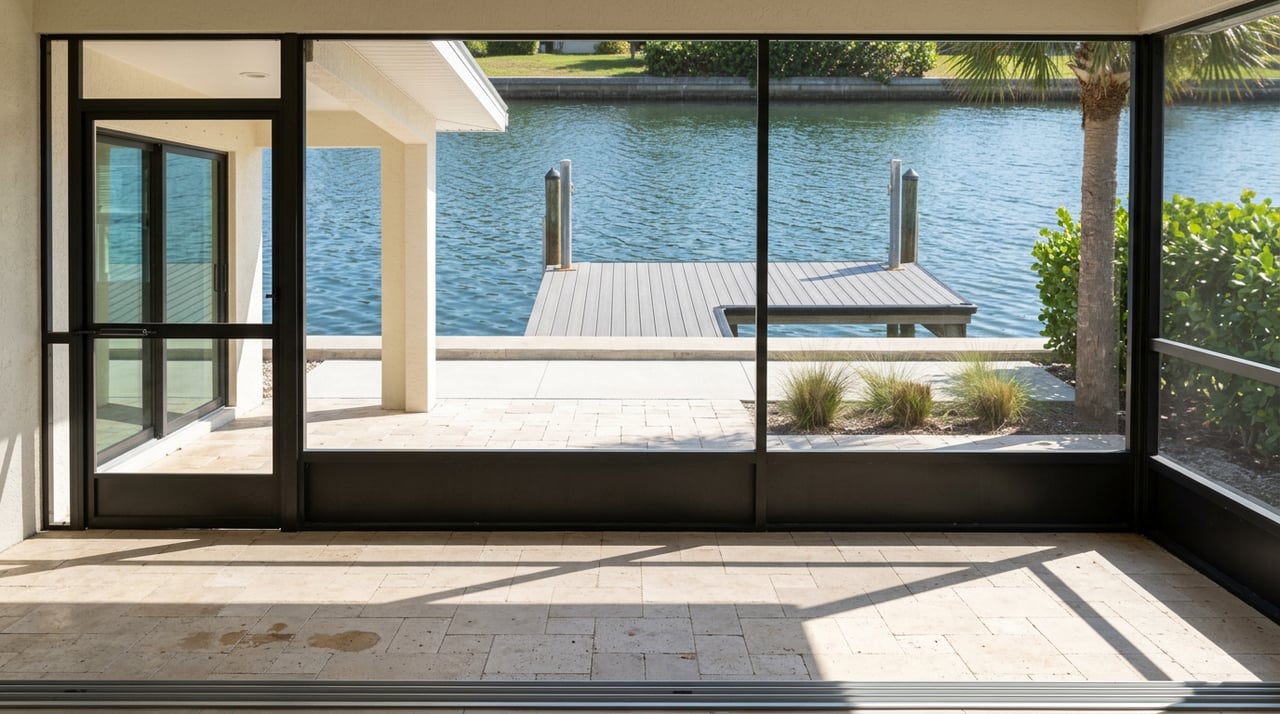
If a waterfront or dockable lot matters to you, check parcel maps and flood zones, and confirm any existing dock permits. Lot type and waterfront status can significantly influence value and maintenance.
Amenities and daily life
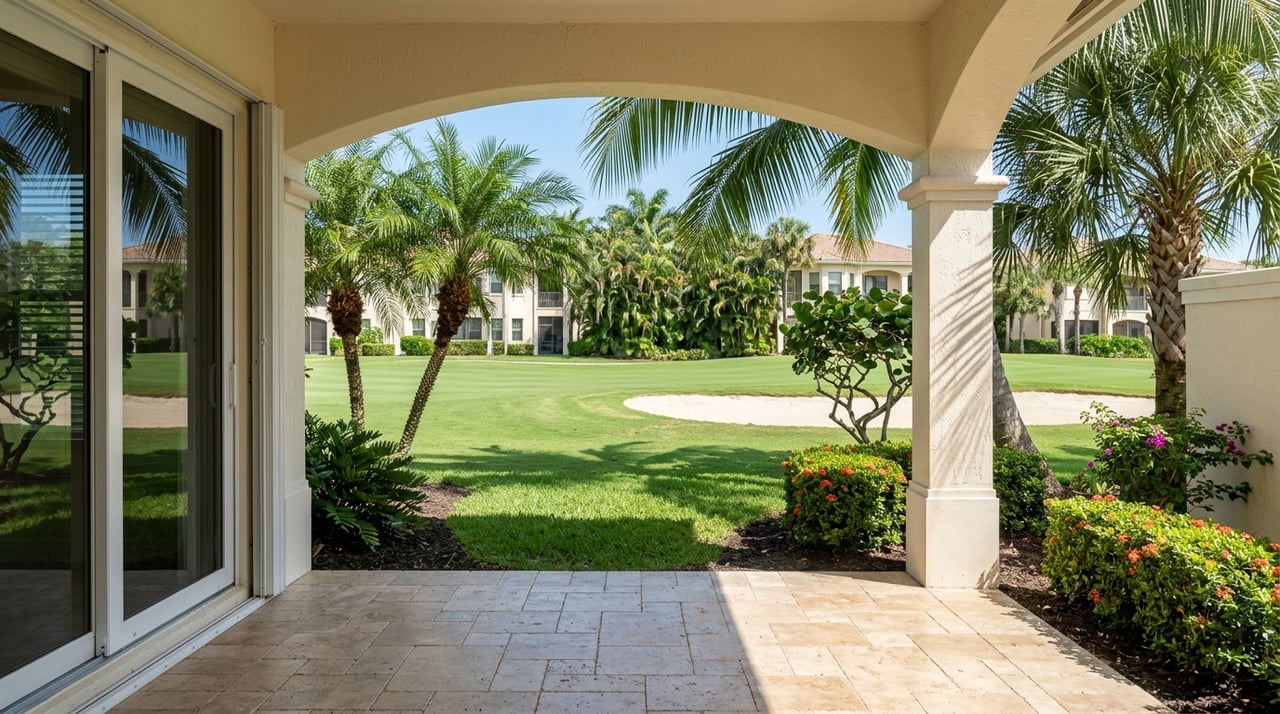
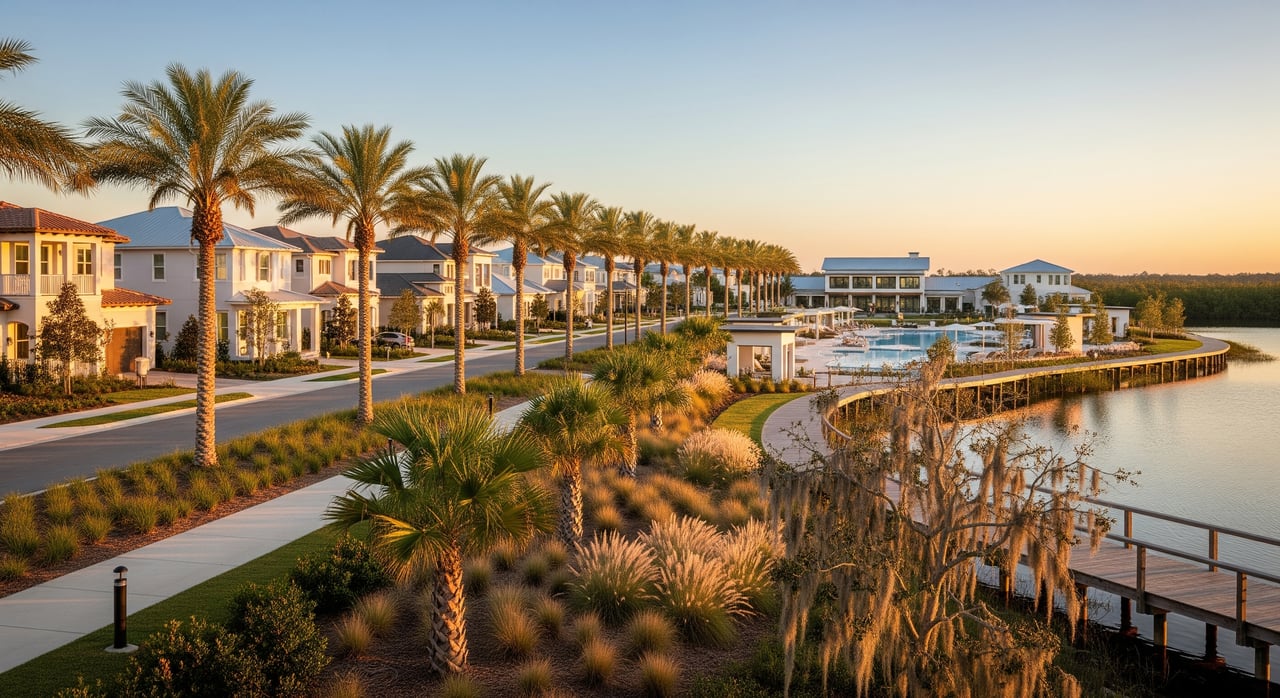
Amenities vary widely across both communities. Many HOAs maintain entrances, landscaping, and lake or canal systems. Pools, fitness rooms, and clubhouses may be included in some associations, while others keep dues lower with fewer amenities.
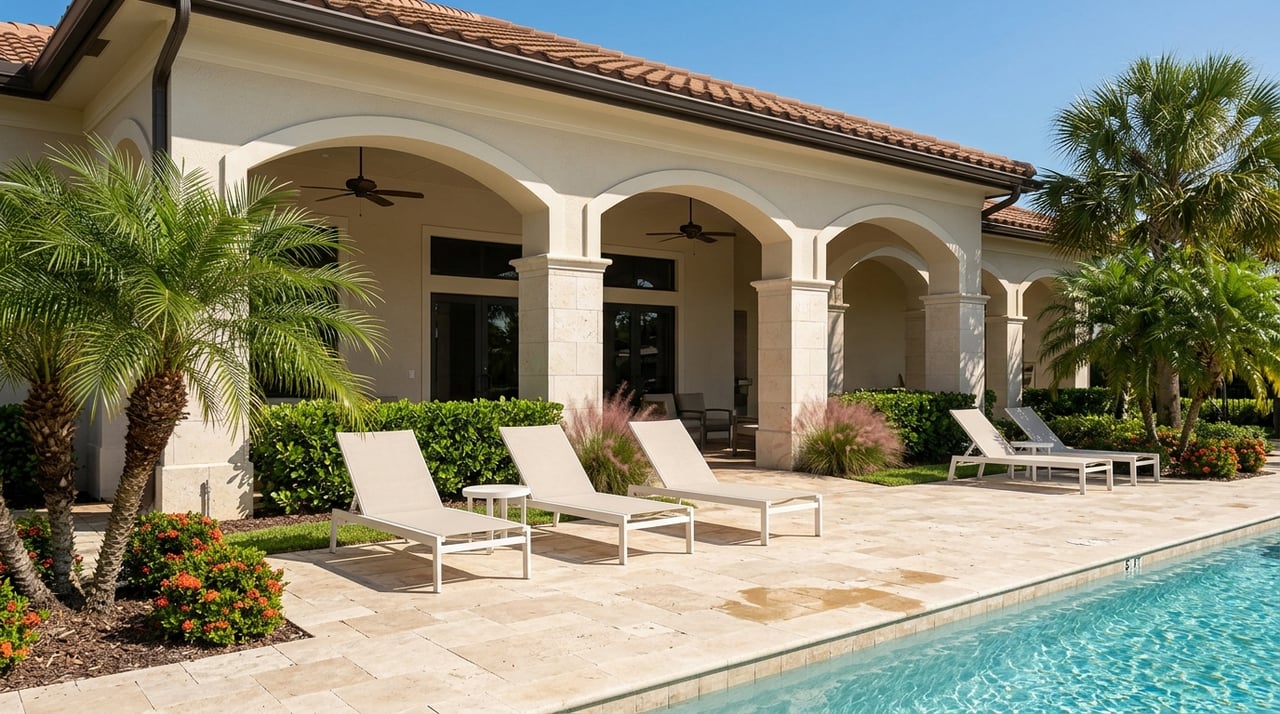
- Burnt Store Lakes: You are more likely to find a coordinated amenity package, such as a community pool or clubhouse, along with maintained common areas.
- Burnt Store Village: Amenities differ by subdivision. Some have very limited shared facilities, which can mean fewer ongoing costs but fewer on-site perks.
For everyday errands, grocery, dining, and medical options are accessible along Burnt Store Road and into greater Punta Gorda. Drive times will vary depending on your exact street and gate.
Boating and Burnt Store Marina access
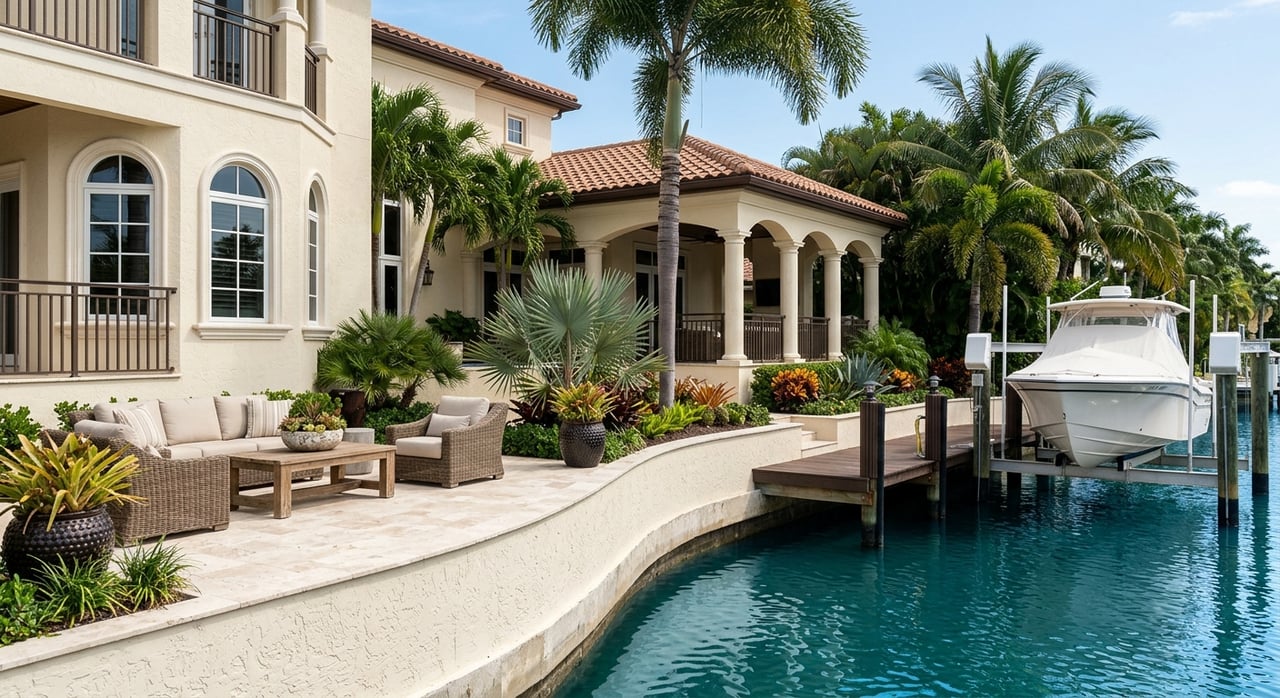
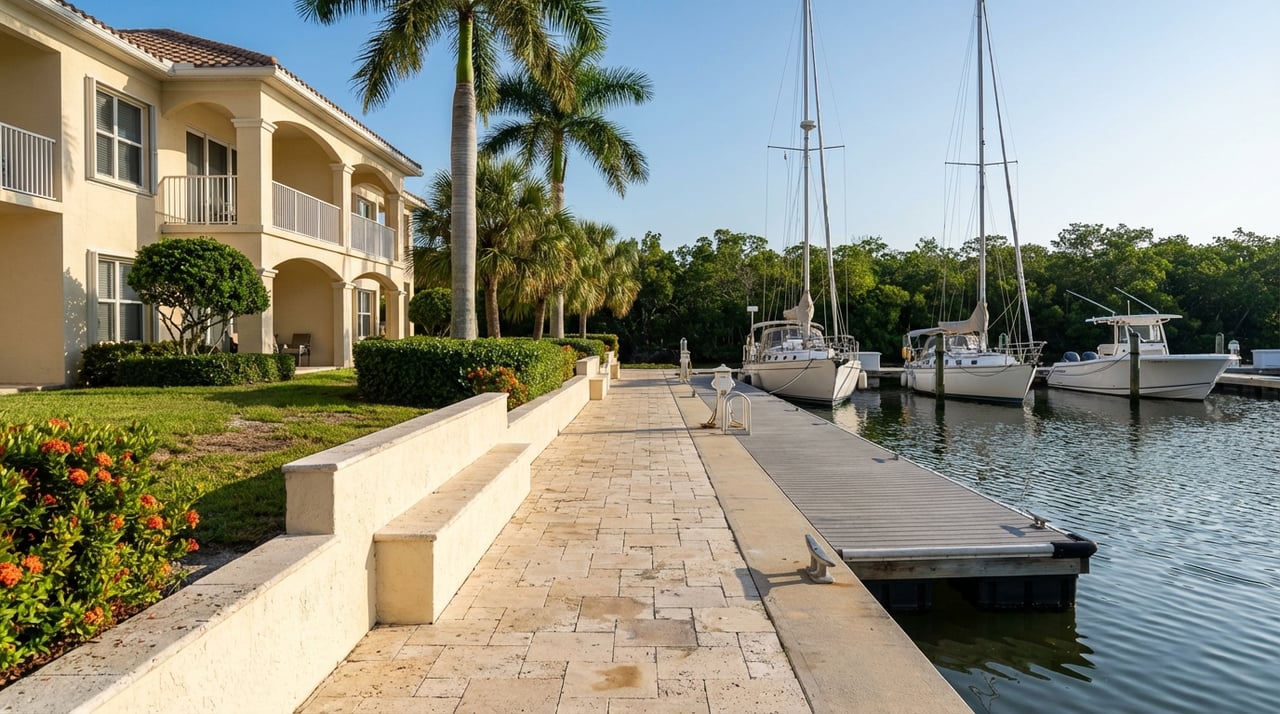
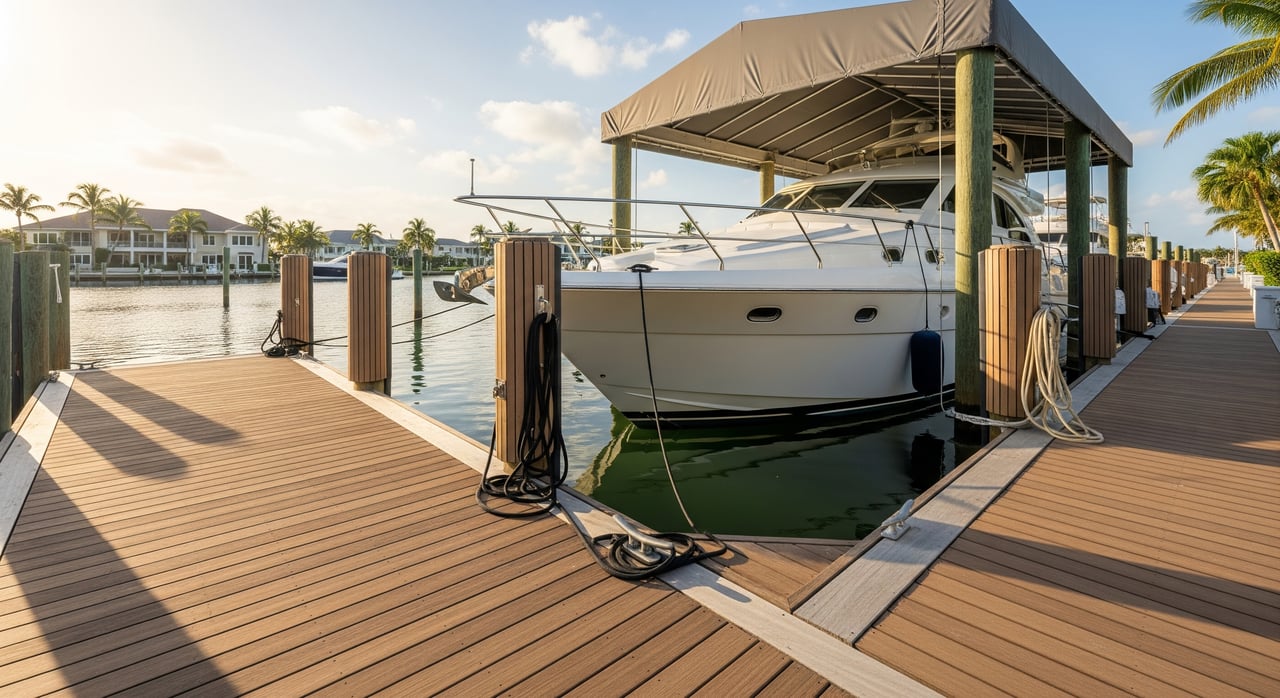
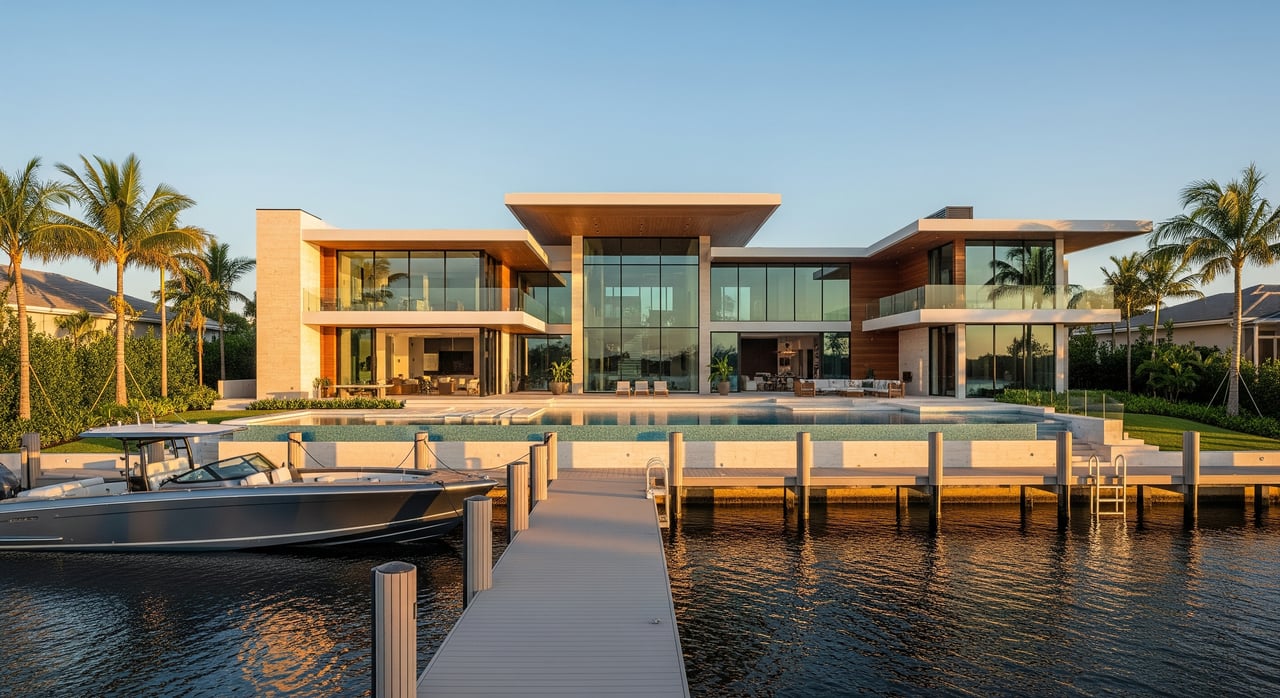
Burnt Store Marina is the primary boating hub for this corridor, offering access to Charlotte Harbor and beyond. Marina proximity is a major lifestyle factor if you plan to spend time on the water.
- Burnt Store Lakes: Generally a moderate drive to the marina depending on the subdivision. Some homes may have water views or canal adjacency, but each property’s water access is unique. Confirm whether lots are truly navigable or simply lakefront.
- Burnt Store Village: Often positioned closer to the marina along Burnt Store Road. Still, access varies by micro-neighborhood and street location.
If boating is your priority, consider the following:
- Verify marina slip availability and any waitlists before you buy a boat-dependent home.
- Confirm county dock permitting rules and recorded permits for any private dock.
- Check seawall condition and age if you are considering a waterfront property.
Cost and maintenance considerations
Costs differ based on amenities, road maintenance, lake or canal systems, and reserve planning.
| Consideration | Burnt Store Lakes | Burnt Store Village |
|---|---|---|
| Dues frequency | Monthly or quarterly | Varies; some subdivisions have no dues |
| Amenities included | Often pool, landscaping, common areas | Varies; many smaller HOAs include less |
| Special assessments | Possible; verify reserves and history | Also possible; confirm per association |
| Rental policies | Many restrict short-term rentals | Highly variable by subdivision |
To reduce surprises, request the CCRs, budget, reserve study, recent minutes, and any known upcoming projects before you write an offer. Align the home’s maintenance profile with your bandwidth and budget.
Which lifestyle fits you
Choose Burnt Store Lakes if you want:
- A planned community feel with consistent aesthetics.
- A higher likelihood of coordinated amenities and maintained common areas.
- Architectural guidelines that help preserve curb appeal.
Choose Burnt Store Village if you prefer:
- A wider variety of home styles, ages, and price points.
- The potential for lower recurring HOA obligations in some pockets.
- Proximity options that may put you closer to Burnt Store Marina.
Both areas attract retirees, seasonal residents, and year-round buyers. Investors should review rental rules closely, since some HOAs limit short-term rentals.
How to check current listings
Listings and prices change quickly. Use a consistent process to compare apples to apples.
Listings search tips current as of January 2026:
- Start with the local MLS, either through a cooperating agent or a public portal powered by the MLS. Saved searches keep results current without chasing single listings.
- Search by exact community names and confirm the map boundaries. Draw a custom polygon if needed to capture the true neighborhood.
- Apply the same filters across both areas: beds, baths, square footage, waterfront vs. non-waterfront, and your target price band.
- If boating is a must, filter for key terms like dock or lift and verify dock permits through county records.
- Compare recent sold data for the last 3 to 6 months to understand realistic pricing for age, size, and lot type.
Pro tips for a smoother purchase
- Verify HOA documents early. Ask for CCRs, bylaws, budget, reserve study, and recent minutes.
- Confirm dock status for any waterfront property, including recorded permits and any restrictions.
- Check flood zone, lot dimensions, and parcel details with county GIS.
- Review building permits for major systems like roof, HVAC, or seawall.
- Align inspection focus with local factors, including drainage, lanai condition, and seawalls where applicable.
Final thoughts
You cannot go wrong focusing on your top lifestyle priorities. If a cohesive, low-maintenance community feel and common-area amenities matter most, Burnt Store Lakes often fits the bill. If you want more variety, flexible HOA obligations in some pockets, and potential proximity to Burnt Store Marina, Burnt Store Village may be your match. A clear plan and the right local guidance will help you compare properties with confidence.
Ready to narrow your search and set up tailored listing alerts? Connect with Jennifer & Philip Taberski for a local, digital-first plan that fits how you want to live along the Burnt Store corridor.
FAQs
What is the main difference between Burnt Store Lakes and Burnt Store Village?
- Lakes often has a planned community feel with more consistent amenities and design standards, while Village offers a wider mix of home types, ages, and HOA structures.
How close are these neighborhoods to Burnt Store Marina?
- Village areas are often positioned closer along the Burnt Store Road corridor, while Lakes is generally a moderate drive. Exact drive times vary by street.
Which community usually has stricter HOA rules?
- Burnt Store Lakes commonly has moderate to strict architectural controls, while Village strictness varies by subdivision.
Can I find waterfront or dockable lots in both areas?
- Yes. Availability varies by micro-neighborhood. Always verify whether a lot is navigable, lakefront, and whether a dock is permitted or recorded.
Are short-term rentals allowed in these communities?
- Policies are association-specific. Many HOAs restrict short-term rentals, so confirm the CCRs for the exact property before you buy.
What should I check before making an offer on a waterfront home?
- Confirm dock permits, seawall condition, flood zone, and HOA rules about boats and exterior changes, along with recent comparable sales.