Search "Punta Gorda median home price" this week and you will get at least three answers that do not agree with each other. One tracker puts it in the $330,000s. Another says $442,000, based on the three months ending in June 2026. A third lists an average asking price around $362,000, drawn from January 2026 listing data. None of these sources is wrong. They are measuring three different things, and if you are comparing Punta Gorda to Port Charlotte before you ever call an agent, that gap will send you into showings with the wrong budget in your head.
This is not a Charlotte County quirk. It is what happens whenever a county gets treated as one market when it is really two, sitting inside a housing cycle that reversed direction twice in the same year.
Why the numbers won't agree
Every "median price" you find is built from one of three ingredients: what actually closed, what is currently listed, or a modeled estimate of the entire owner-occupied stock, sold or not. Those three numbers move independently, and in Charlotte County right now they are pulling apart.
| What you're looking at | What it actually measures | Why it moves differently |
|---|---|---|
| Sale-price median (Redfin-style) | The middle of homes that closed in a given window | Skews toward whatever segment is transacting most that month, waterfront or inland |
| Home value index (Zillow-style) | A smoothed estimate across the entire housing stock, sold or not | Lags real-time swings but reflects the whole market, not just active sellers |
| List/asking price median | What sellers are currently asking | Tells you seller expectations, not buyer reality, especially in a slow market |
A single-block difference in geography compounds the problem. "Charlotte County" as a label covers Punta Gorda, Port Charlotte, North Port, Rotonda West, Englewood, Boca Grande, and Placida, communities that range from waterfront estates to inland suburban tracts. Blend all of them into one county median and you get a number that describes no actual house a buyer is likely to walk through.
Two cities, one county, two different questions
Punta Gorda and Port Charlotte sit across the Peace River from each other and get lumped together constantly, but they answer different questions for a buyer.
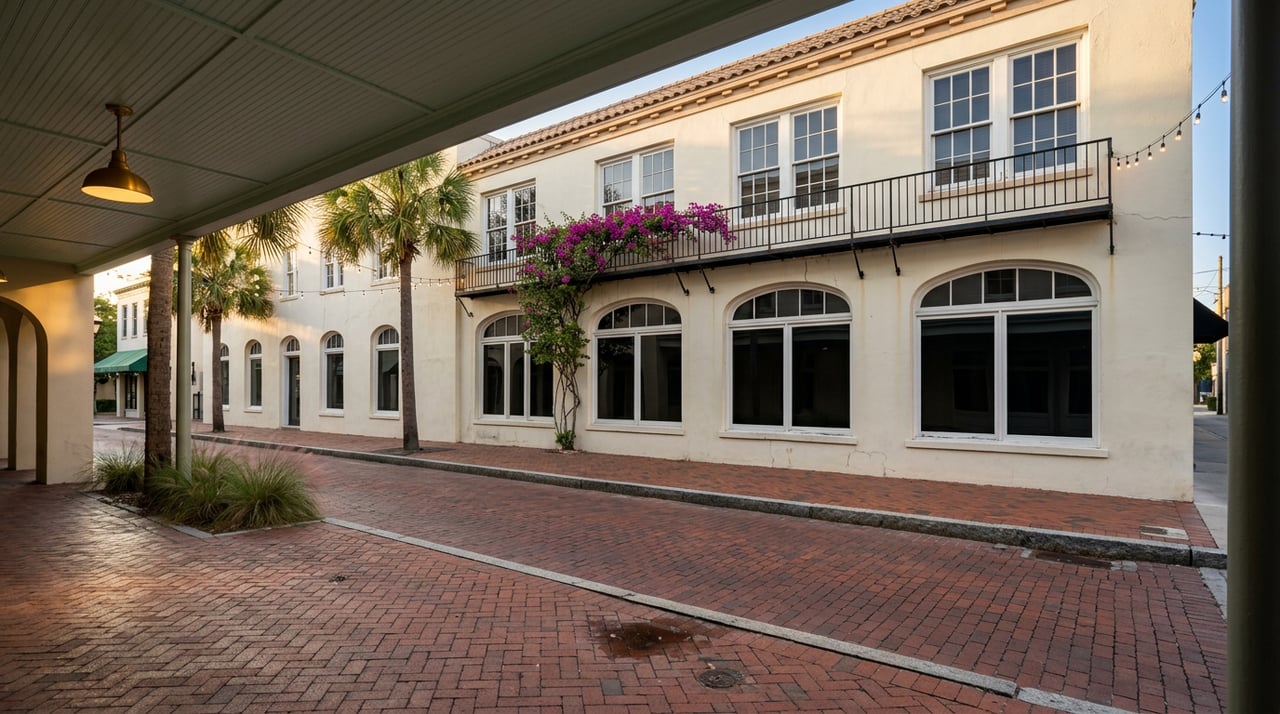
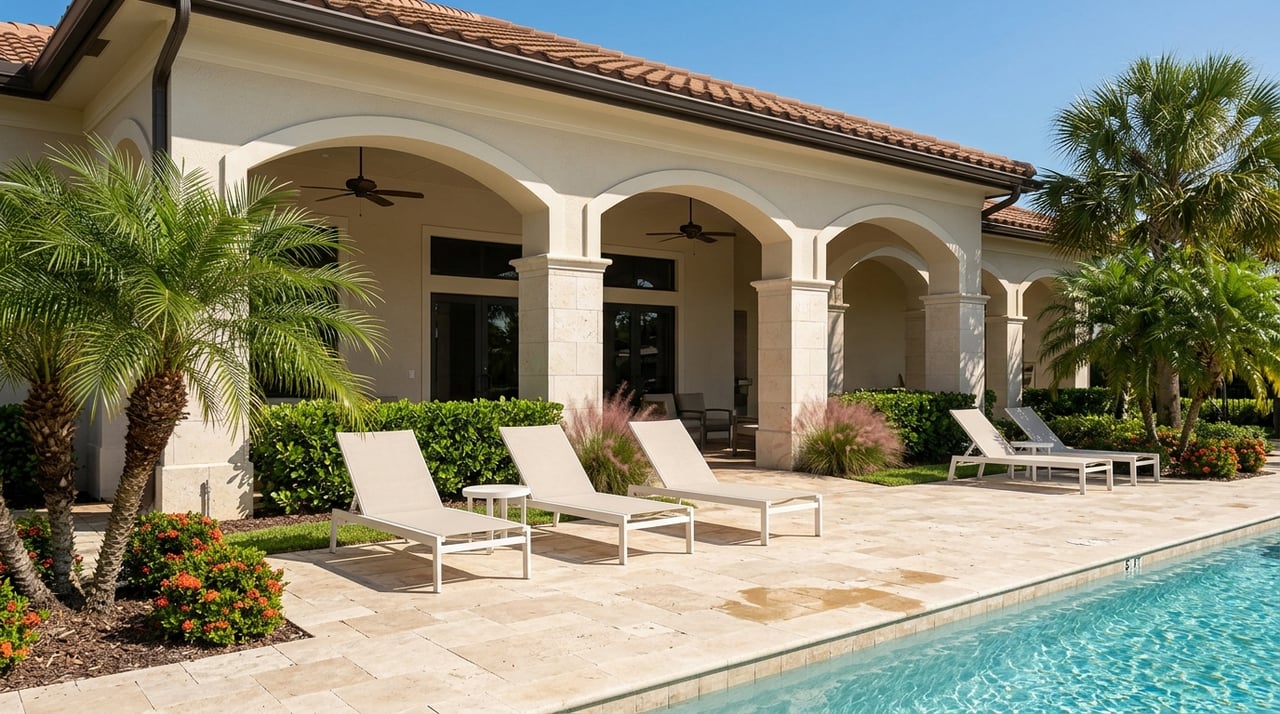
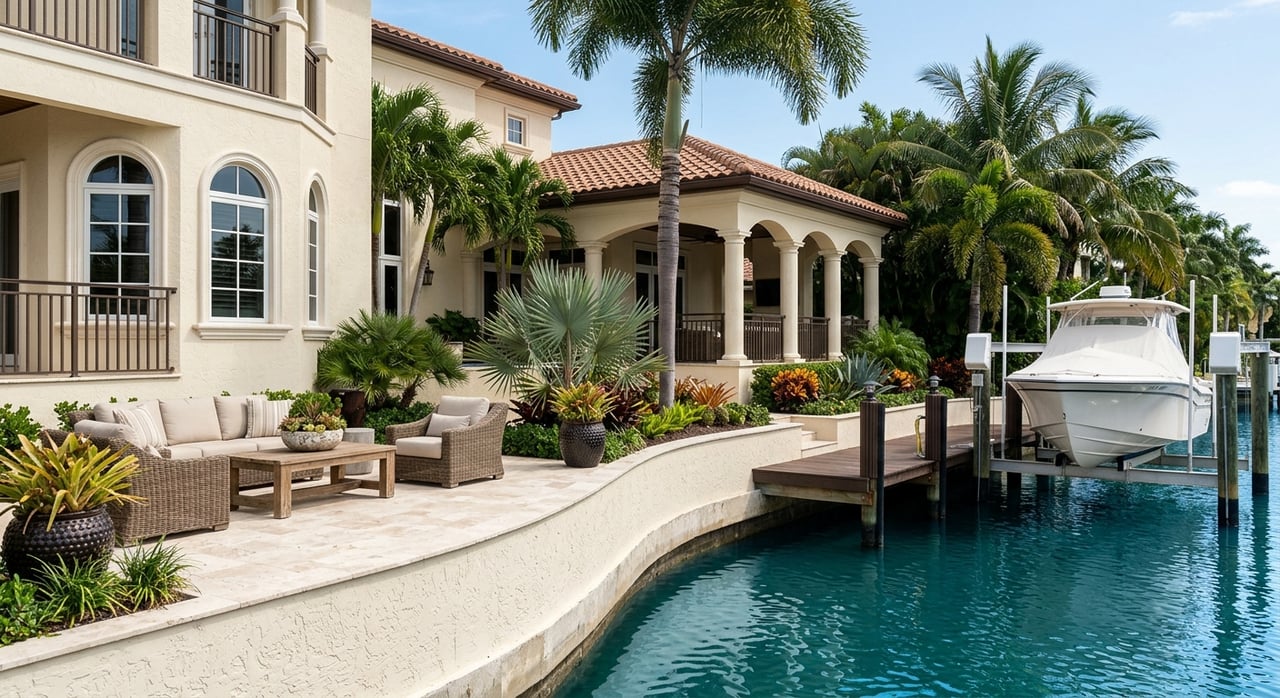
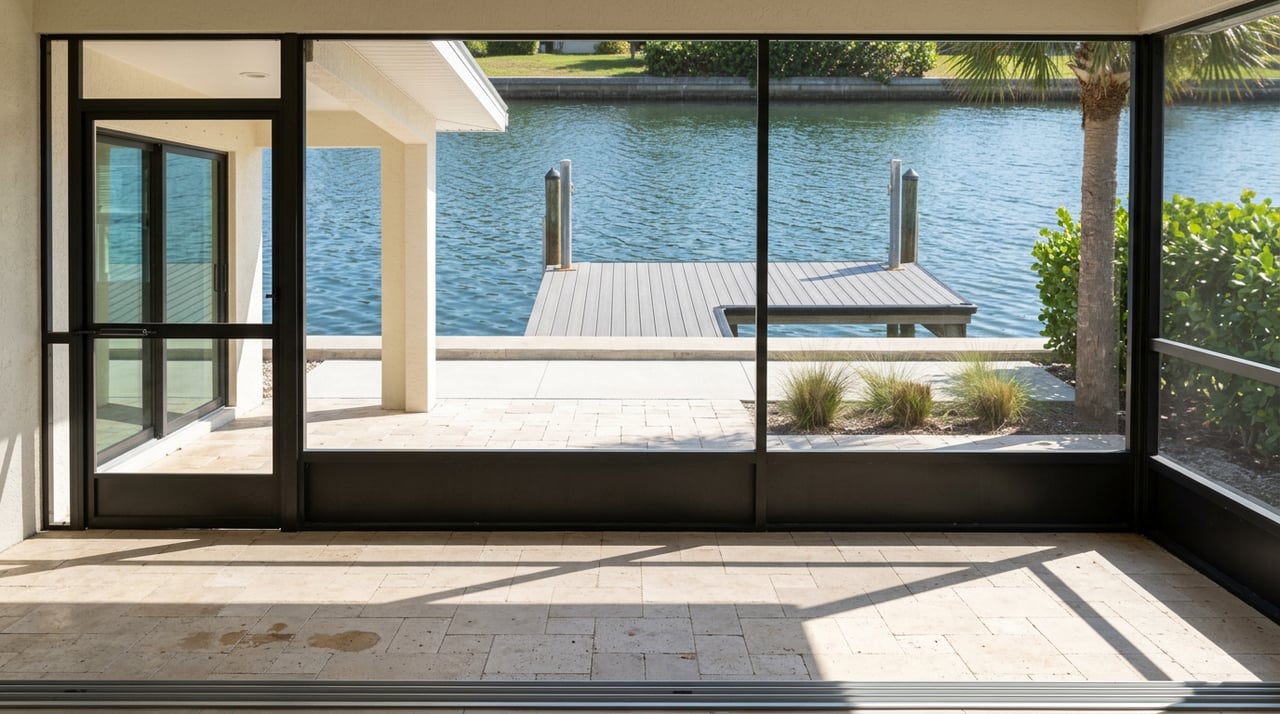
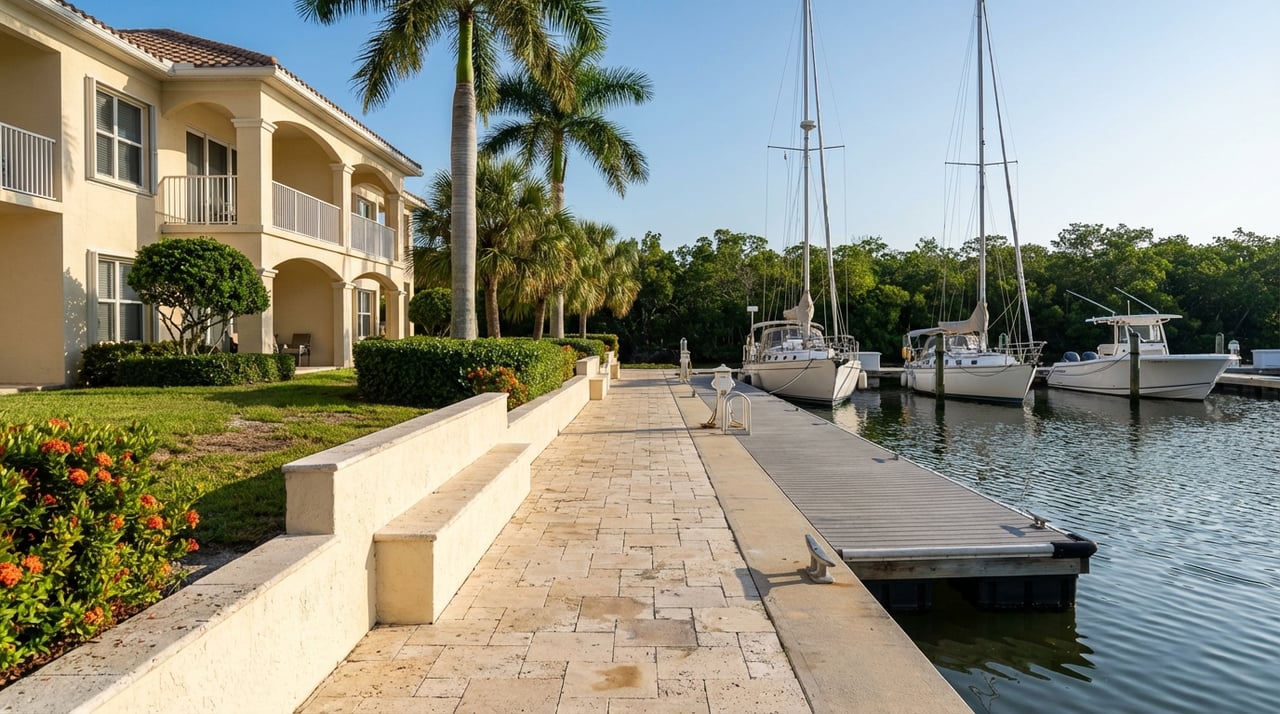
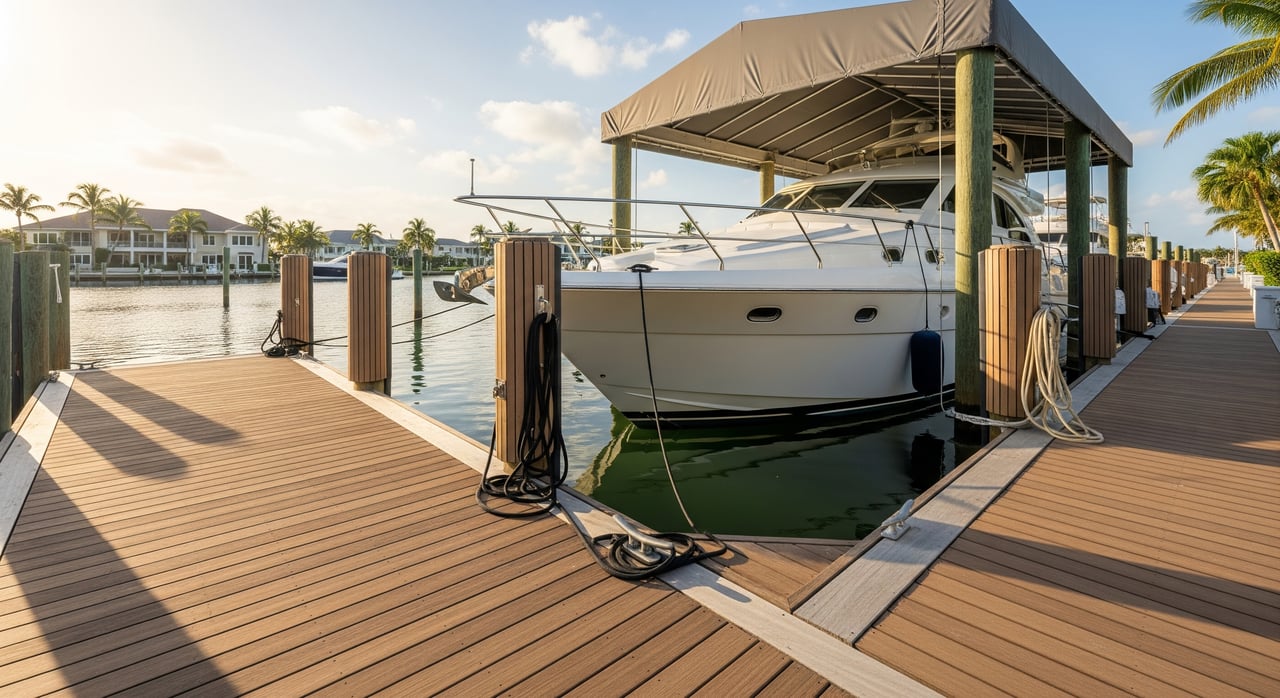
Punta Gorda is small, roughly 20,400 residents according to Census estimates, and skews older, with more than half the population 65 or above. It has a walkable historic downtown near Fishermen's Village and Gilchrist Park, canal-front neighborhoods like Punta Gorda Isles and Burnt Store Isles built around boating access, and a housing stock where waterfront and golf-adjacent product carries a real premium over anything inland.
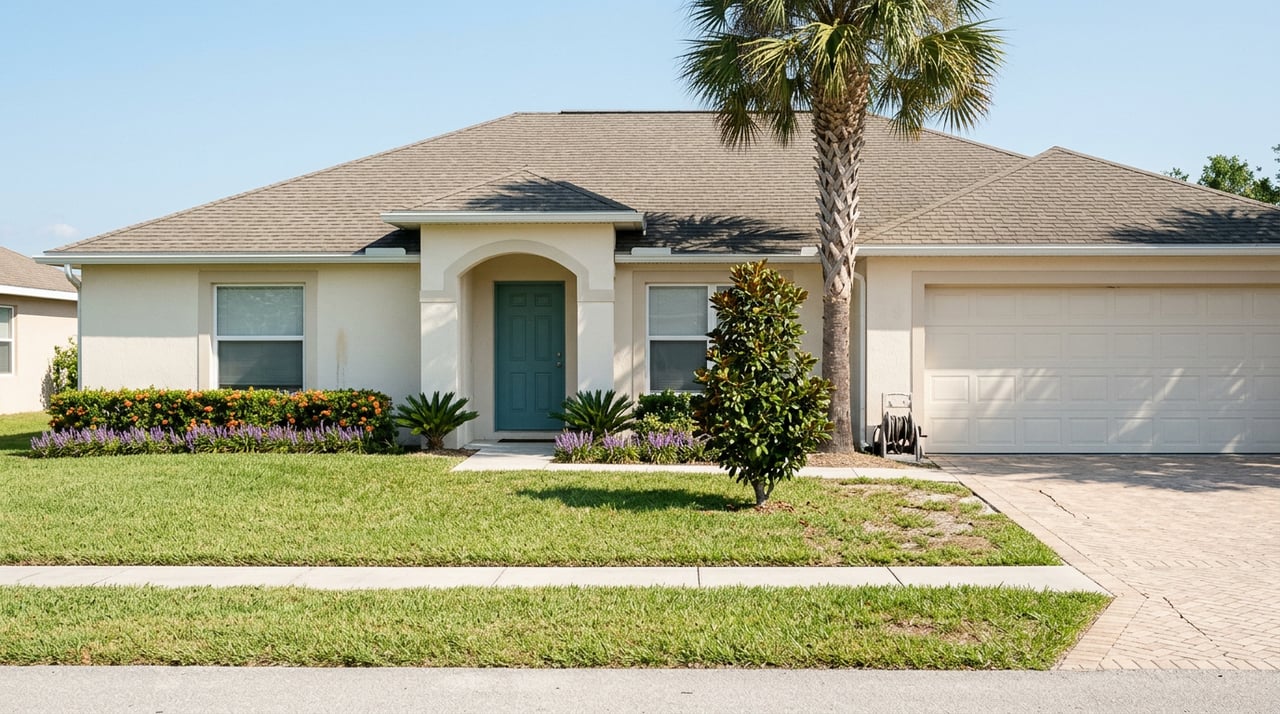
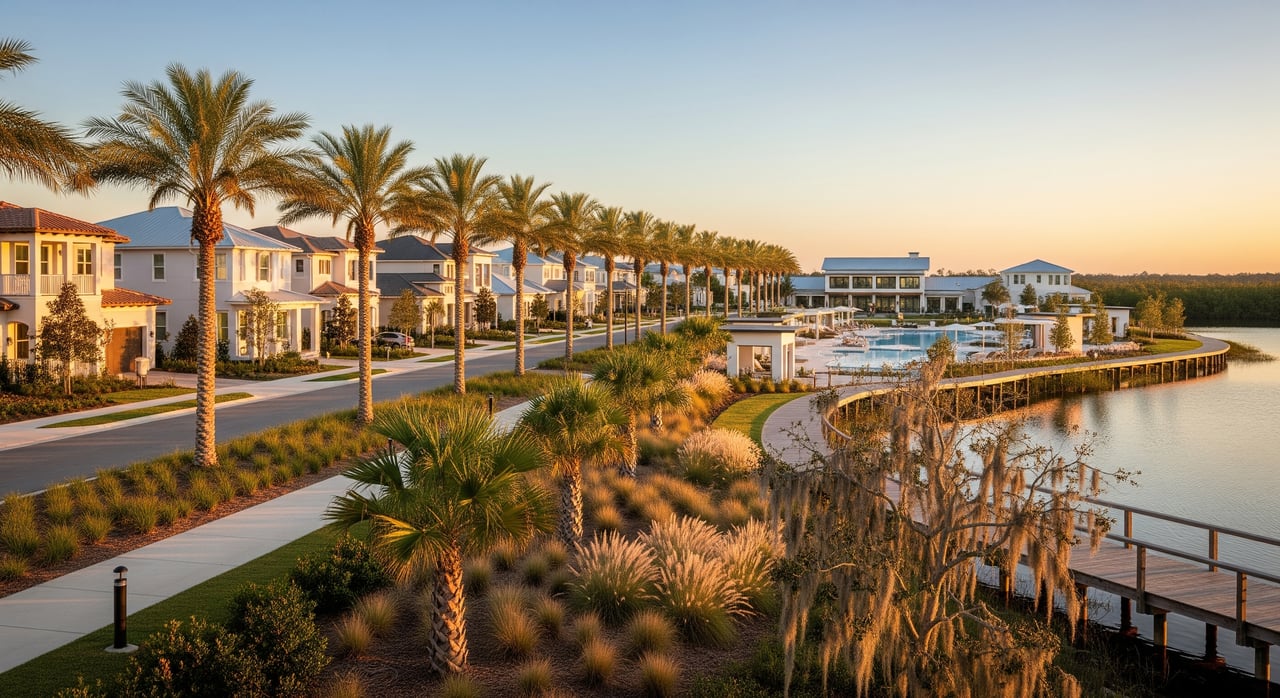
Port Charlotte is larger, with an estimated 60,600 residents, and its age mix is younger by comparison, about a third of residents 65 or older. It is unincorporated, laid out on a suburban grid rather than a historic core, and its value proposition runs through communities like Deep Creek, a deed-restricted subdivision, and Kings Gate, a 55-plus community where new construction has started in the $200,000s. This is where budget-conscious buyers land when they want Charlotte County access without the harbor premium.
The practical version: if you are searching for a walkable, boat-access lifestyle, you are shopping Punta Gorda's price tier, and the county median understates what you'll actually pay. If you want the lowest entry point into the same county, Port Charlotte and its inland neighbors are where that shows up, and the county median overstates your floor. Local market trackers put the waterfront premium at 40 to 60 percent over comparable inland homes, which is the single biggest reason a "Charlotte County" number smooths over the decision that actually matters.
The trend that reversed while nobody was watching
Here is the part that catches relocating buyers off guard: the story about this market changed twice in 2026, and whichever version you read first is probably not the one that's true now.
Early in the year, the county looked like it was healing. A monthly MLS-based tracker showed pending sales up 33 percent year over year in January 2026, and months of inventory falling from 8.6 that same month to 6.4 by March, with closed sales up nearly 23 percent compared to March 2025. One local broker described the market that month as "squarely in neutral territory." That framing made sense at the time. Winter and spring are peak season in Southwest Florida, when snowbirds and relocating buyers show up in volume, and the numbers reflected that seasonal push.
By midsummer the picture had turned again. A statewide county-by-county tracker using Zillow's home value index found Charlotte County down 6.6 percent year over year through July 2026, the steepest one-year decline of any Florida county and now 22 percent below its pandemic-era peak, with three consecutive monthly declines through June. By August, one MLS-based report put the county-wide median sale price at $289,499, well under the $325,000 to $335,000 range that county-wide trackers had quoted for the winter selling season, with homes taking an average of 128 days to sell, up from 115 days a year earlier.
The explanation tracks with how the boom happened in the first place. Charlotte was one of the hardest-running pandemic markets in Florida, which means it has the most room to give back now that the correction is working through. Anthony Antuono, 2026 president of the Realtors of Punta Gorda-Port Charlotte-North Port-DeSoto Inc., described the county as an opportunity market for both sides even as appreciation cooled, and he pushed back on one narrative that hasn't held up locally.
"The Canadian exodus never materialized on a large scale in Charlotte County."
That matters because a price correction and a demand collapse are not the same event. Charlotte County's price softening looks like the former: a market giving back some of its pandemic-era gains while migration from northern states and steady, if currency-disadvantaged, Canadian buying continue underneath it. If you read a February report calling this a "neutral" market and assumed that verdict still holds in September, you are working from a number that was already going stale by early summer.
The friction the median never shows you
Even a buyer who nails down the right submarket and the right month of data can still get surprised at underwriting, and it usually happens in the condo column. By March 2026, single-family inventory in Charlotte County had tightened to about 6.4 months of supply, generally considered close to balanced. Condos and townhomes were improving on the same year-over-year basis but still sat at roughly nine months of supply that month, meaningfully slower to absorb than single-family stock even as both segments moved in the right direction.
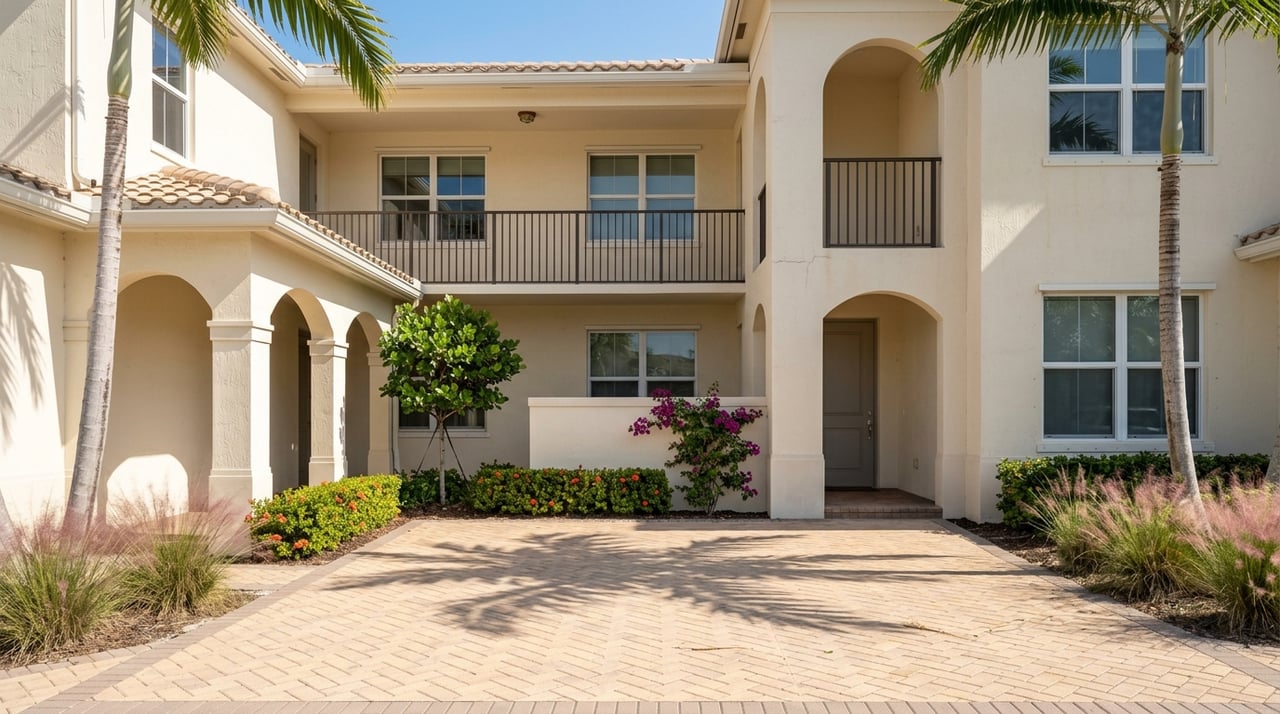
The reason isn't a mystery once you look at what's driving it: rising homeowners association fees and insurance costs tied to storm damage from Hurricanes Ian, Helene, and Milton are weighing specifically on condo demand. A $250,000 condo and a $350,000 single-family home can look like straightforward alternatives on paper. They stop looking equivalent once you price in the HOA's master insurance policy, any post-storm special assessments, and your own unit coverage, all of which move independently of the purchase price and can add hundreds of dollars a month that never show up in a listing search.
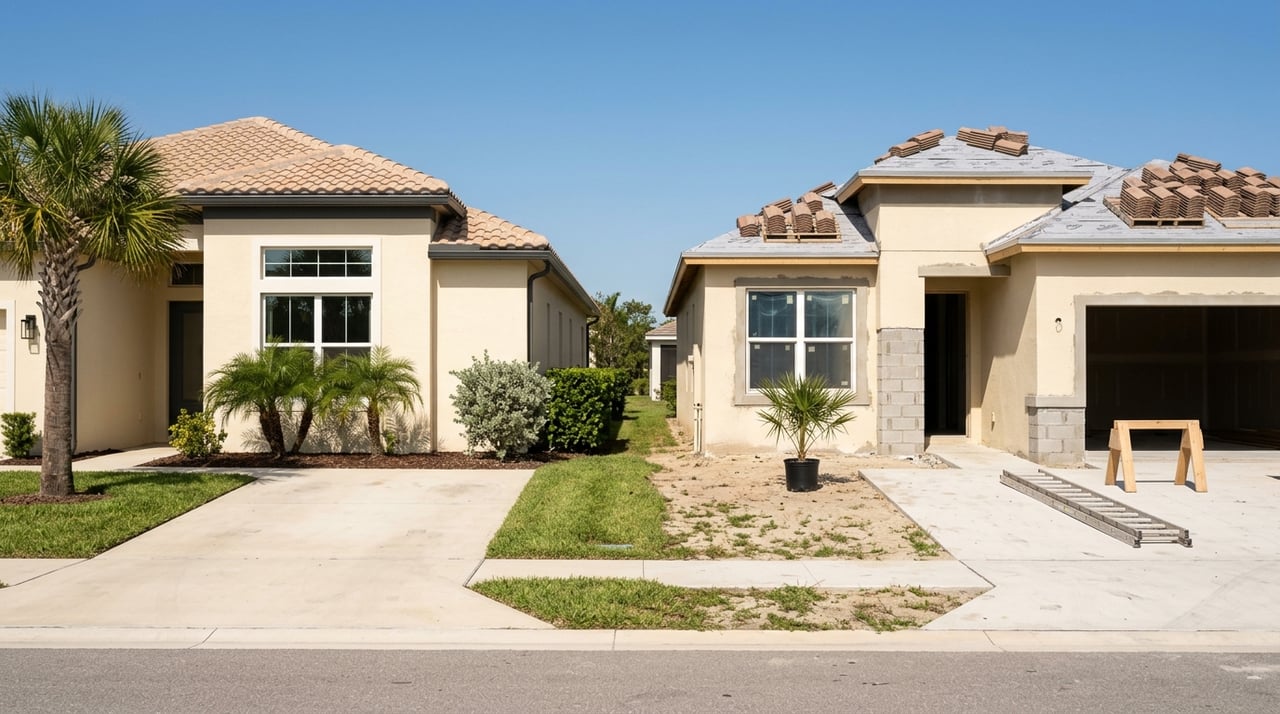
Statewide, homeowners insurance is trending in the right direction for the first time in years, with Florida's Office of Insurance Regulation approving an average 8.7 percent decrease for Citizens Property Insurance policyholders at spring 2026 renewals and more than a dozen new private carriers entering the market since 2022 reform. That relief is real, but it applies unevenly. Older Charlotte County homes without updated roofs or documented wind mitigation are still expensive to insure, while new construction built to Florida's post-Ian codes is underwriting more favorably. Before comparing two price tags, get an actual insurance quote on the specific structure, not a countywide average.
What this actually means if you're shopping right now
None of this means Charlotte County is a bad place to buy. It means the county median is the wrong number to plan around. Decide first whether you're a Punta Gorda buyer or a Port Charlotte buyer, because that choice determines which price range applies to you before any month-to-month market swing does. Then check the calendar on whatever statistic you're reading. This market has swung from tightening to a fresh year-over-year low inside the same year, so a number from February tells you less about September than you'd think.
A few questions worth asking before you call anyone
Is Charlotte County a buyer's or seller's market right now? As of the most recent data available, through summer 2026, prices have continued softening and days on market have lengthened, which favors buyers on price even as overall transaction volume holds up compared to a year ago.
Should I avoid condos in Charlotte County? Not necessarily, but underwrite the HOA's insurance and assessment history before comparing the sticker price to a single-family home. The gap in carrying cost can be larger than the gap in purchase price.
Is Punta Gorda always more expensive than Port Charlotte? Generally yes, driven by its harbor-adjacent, walkable downtown and waterfront canal communities. But Port Charlotte includes higher-priced deed-restricted communities like Deep Creek, and Punta Gorda includes lower-cost 55-plus manufactured home communities, so the city-level median still hides real variation inside each city.
If you're weighing Punta Gorda against Port Charlotte, or trying to figure out what a specific number you found online actually means for your budget, that's the kind of conversation worth having before you start touring homes, not after. Jennifer & Philip Taberski work both sides of Charlotte Harbor and can walk you through what today's numbers mean for your specific search, whether you're relocating from out of state or comparing neighborhoods a few miles apart.