Trying to choose between North Port and Port Charlotte? When you are moving from out of state, small differences in commute, HOA rules, and waterfront access can shape your daily life. You want a place that fits your budget, routine, and lifestyle without surprises. This guide lays out the practical contrasts, from housing and boating to remote-buying steps, so you can make a confident call. Let’s dive in.
North Port vs. Port Charlotte at a glance
Both communities sit along Florida’s Gulf Coast with easy access to beaches, parks, and year-round outdoor living. The core difference comes down to vibe and housing mix. North Port in Sarasota County trends newer and more master planned, with many recent subdivisions that align well with the Sarasota and Venice job market. Port Charlotte in Charlotte County typically offers more affordability overall, a larger share of canal-front properties, and a laid-back boating culture tied to Charlotte Harbor.
If you want newer construction and proximity to Sarasota’s cultural and healthcare hubs, North Port often fits. If you want canal-to-harbor boating and more options at lower prices, Port Charlotte is a strong contender. Prices and availability change, so plan to confirm current figures with live market data before you lock in a decision.
Commuting and transportation
Daily life in both places is car centered. Public transit exists but is limited compared with large metro areas. Most residents commute by private car and use main highways for work and errands.
- Primary routes: I-75 is the north–south backbone for longer drives. U.S. 41 runs closer to the coast and links nearby towns.
- North Port commute flows: Many residents travel to Sarasota, Venice, or Bradenton for work, medical appointments, and services.
- Port Charlotte commute flows: Many work locally in Port Charlotte or Punta Gorda, or head toward the Fort Myers area along I-75.
- Airports: Sarasota-Bradenton International (SRQ) commonly serves North Port and Sarasota. Southwest Florida International (RSW) in Fort Myers serves the broader region and is popular for Port Charlotte. Punta Gorda Airport (PGD) can be a convenient option for regional carriers.
For planning trips and typical drive times, check live traffic in mapping apps during the hours you expect to travel. Try a weekday morning and late afternoon for a realistic picture.
Housing and HOA lifestyles
You will find everything from no-HOA neighborhoods to amenity-rich gated communities, along with a mix of single-family homes, condos, and manufactured housing. The balance differs by area.
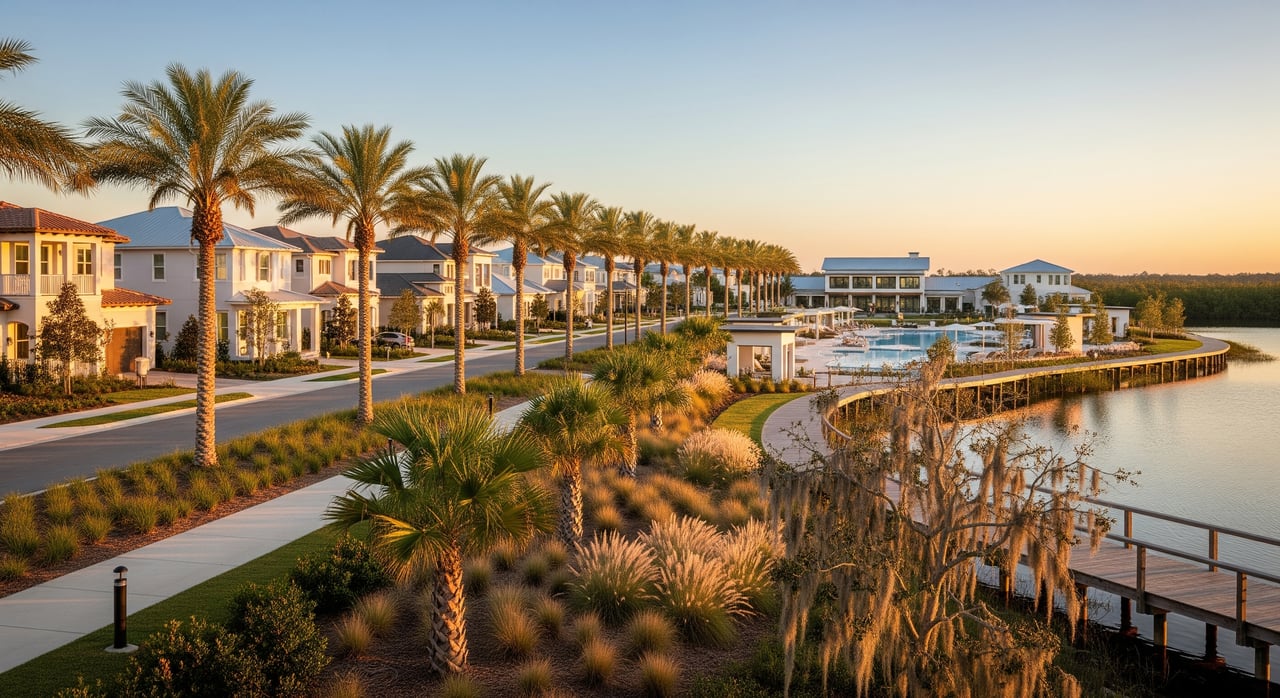
- North Port: A growing inventory of newer single-family subdivisions and master-planned neighborhoods, plus some townhomes and condos. Newer builds often reflect updated codes, modern layouts, and community infrastructure. Some communities use Community Development Districts for infrastructure and amenities.
- Port Charlotte: A broad mix of single-family homes, including many older properties from the mid-20th century through the 1980s. There is a higher proportion of manufactured and mobile-home communities, and a strong presence of canal-front homes.
CDDs and fees to review
In both markets, HOAs range from minimal to full-service with pools, clubs, and landscaping. Community Development Districts are common in Florida and are more frequent in newer master-planned areas. A CDD is a special-purpose entity that funds infrastructure through assessments that are separate from HOA dues. Always request the following before you commit:
- HOA and CDD budgets, meeting minutes, and reserve information
- Covenants, Conditions and Restrictions, bylaws, and rules on rentals
- Any special-assessment history
- Amenity access details and enforcement policies
Age-restricted options
Both areas include age-restricted 55+ communities and mobile-home parks that offer clubhouse programs and rules tailored to their residents. If a 55+ lifestyle is important to you, review bylaws and occupancy rules for clarity on guests and rental policies.
Inspection focus by property type
Different homes call for different due diligence. Here is where to focus:
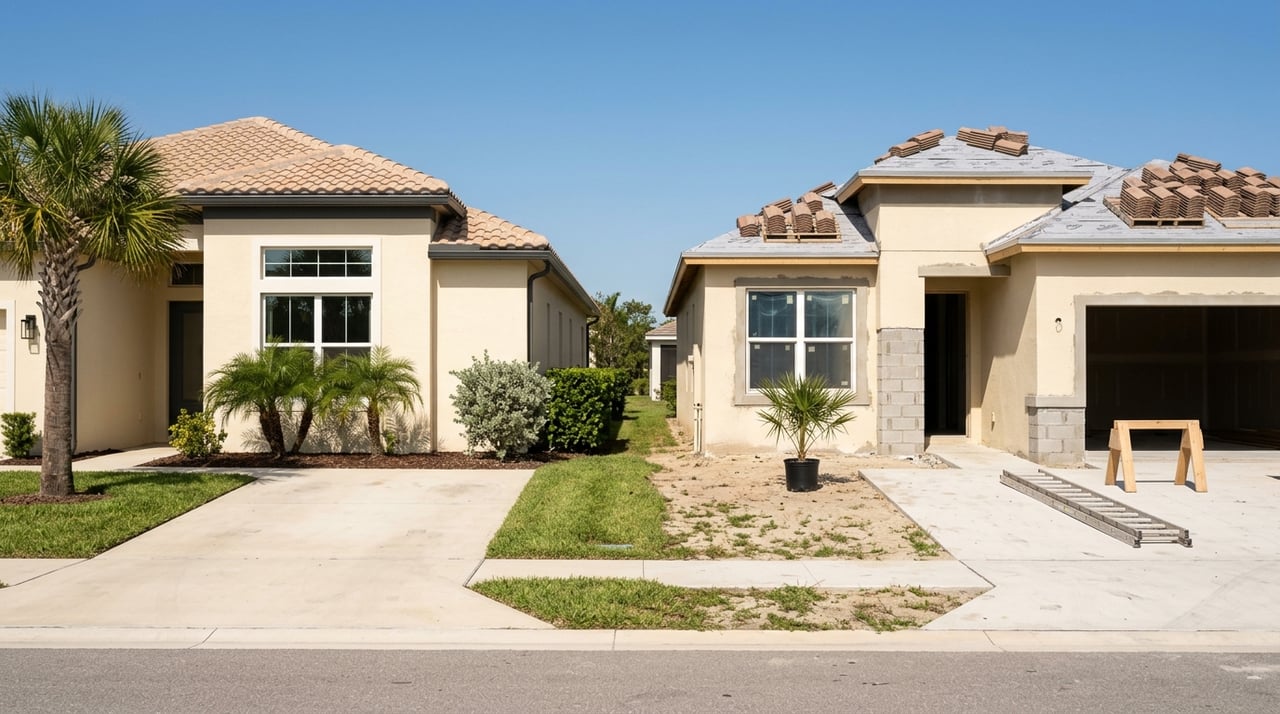
- Newer construction: Confirm certificate of occupancy, builder warranties, CDD disclosures, and any remaining punch-list items.
- Older homes: Prioritize roof age and condition, HVAC and electrical capacity, plumbing materials, termite history, and any salt-air corrosion near the water. If the property sits in a flood zone, check FEMA-related requirements and any elevating or retrofit work.
- Manufactured or mobile homes: Verify HUD tag and title, tie-downs, skirting, and community rules. If the home is in a park, review land-lease terms and fee structures.
Waterfront and boating
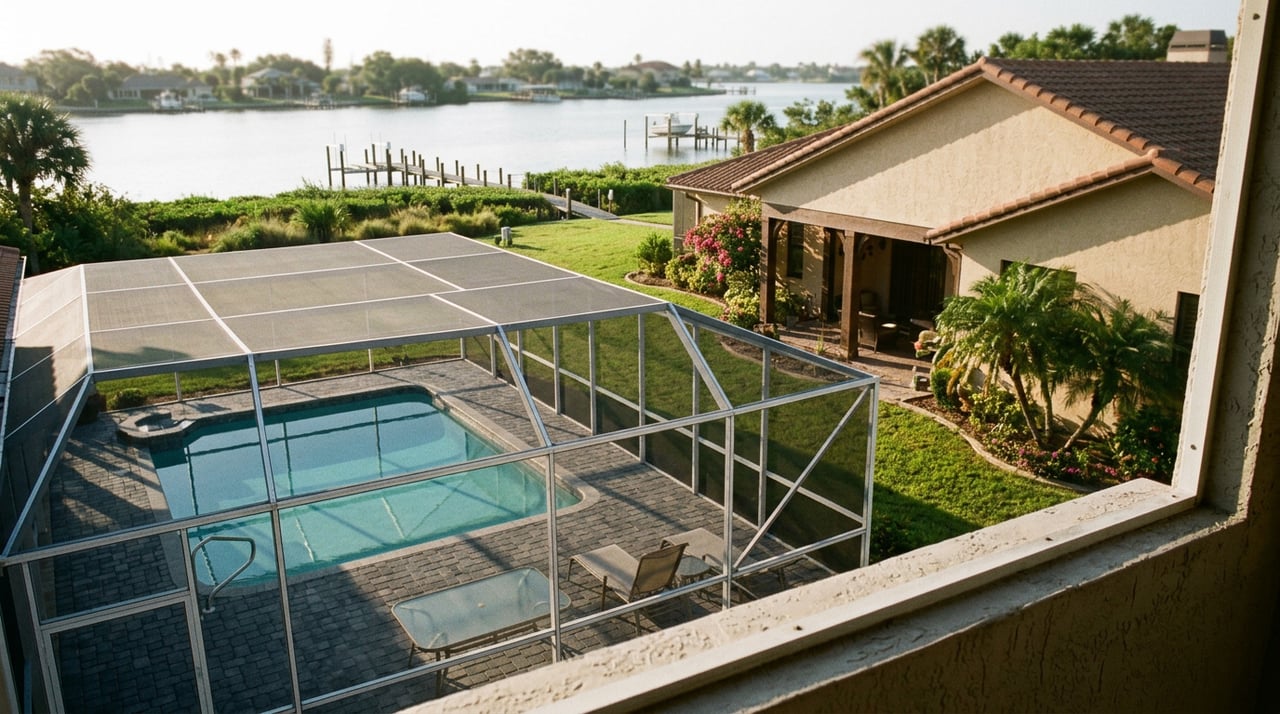
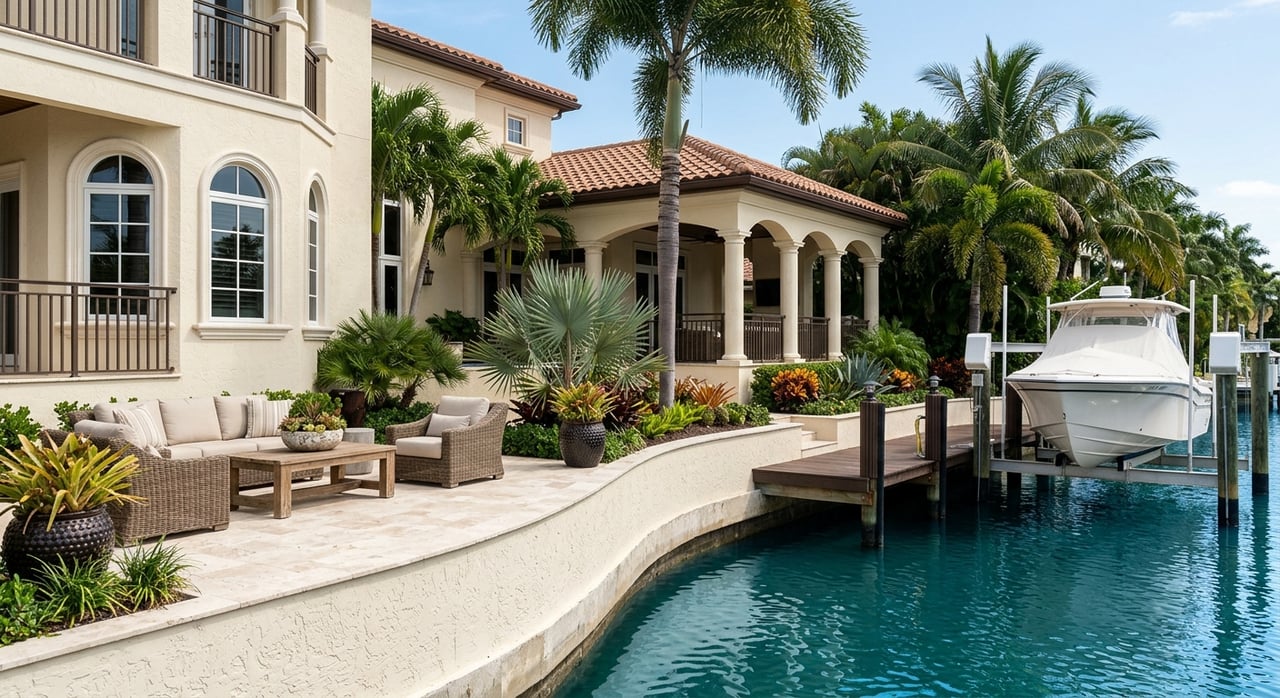
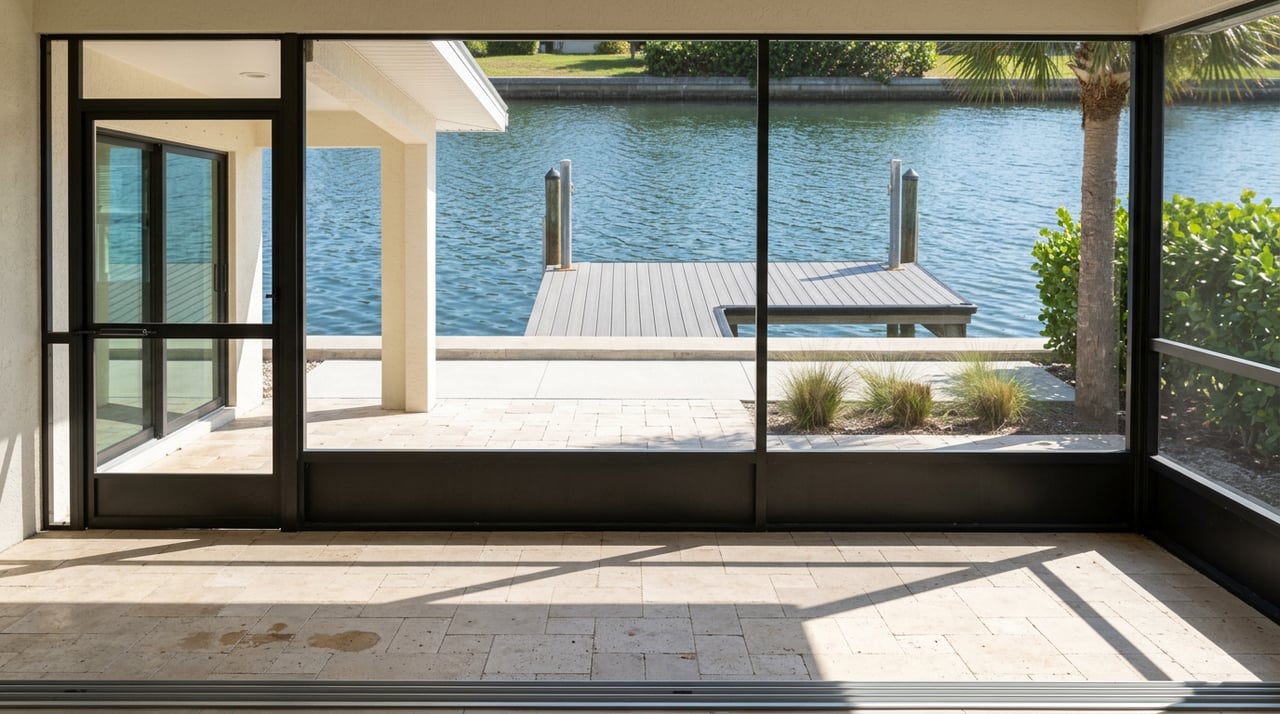
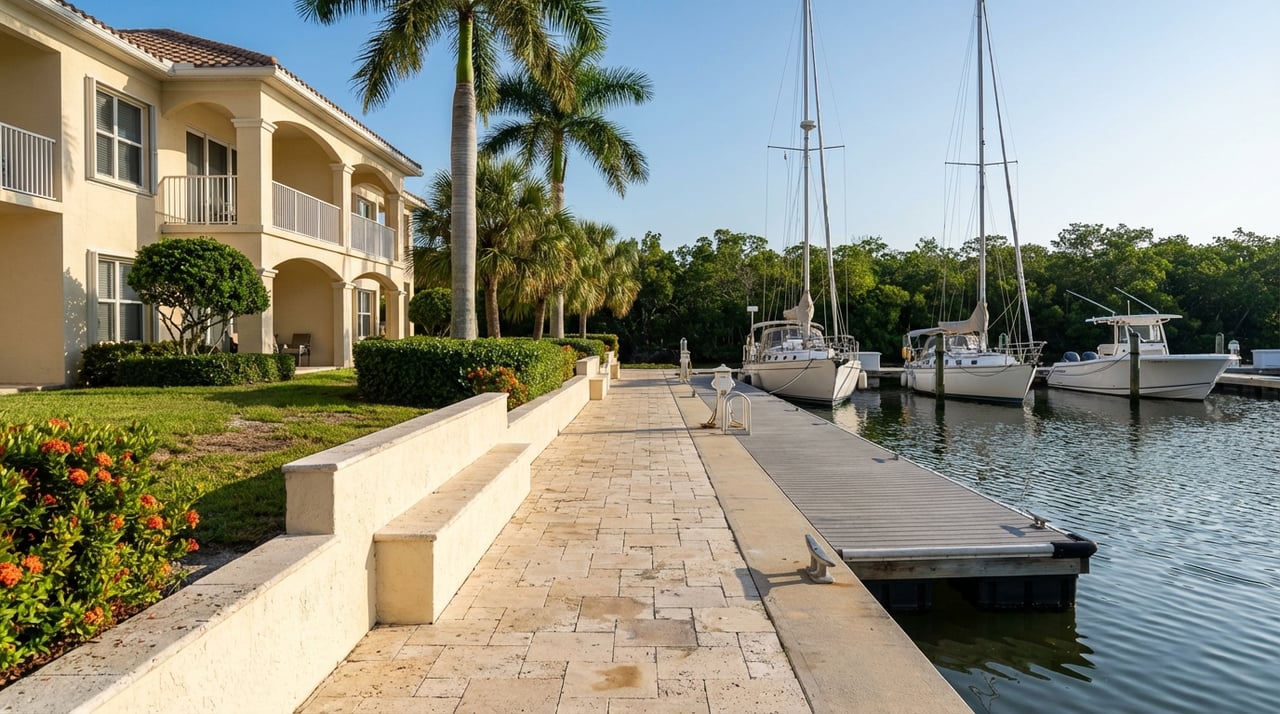
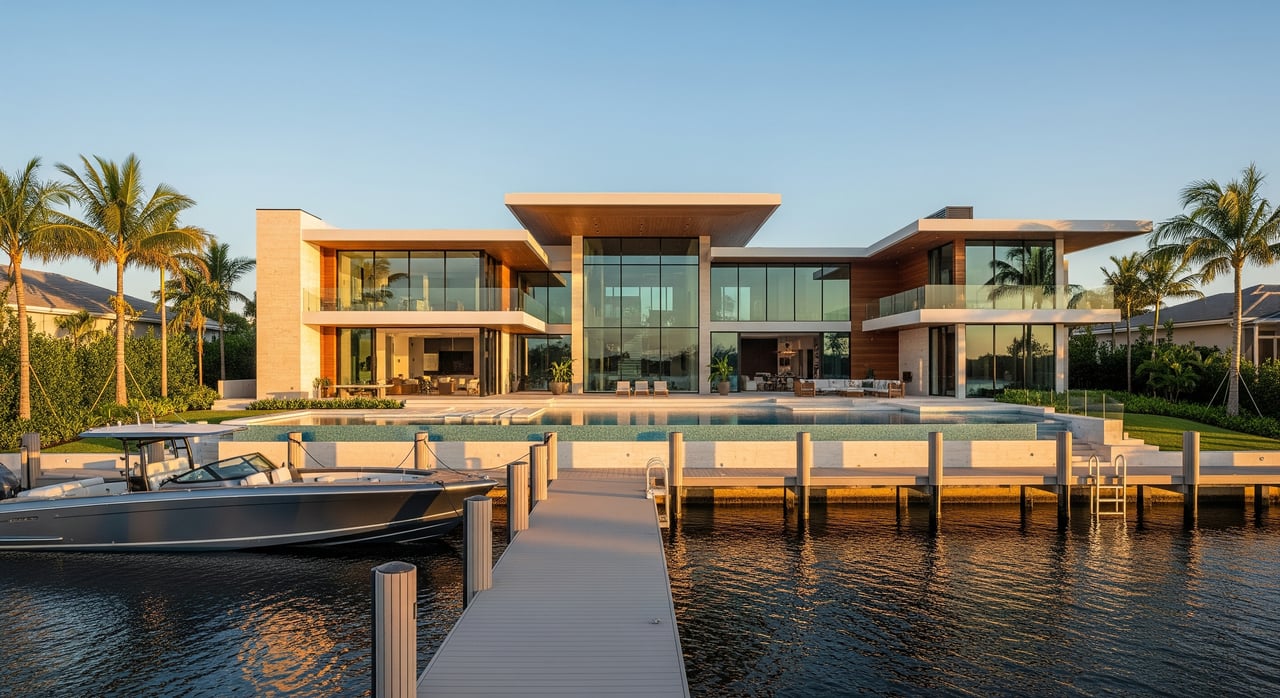
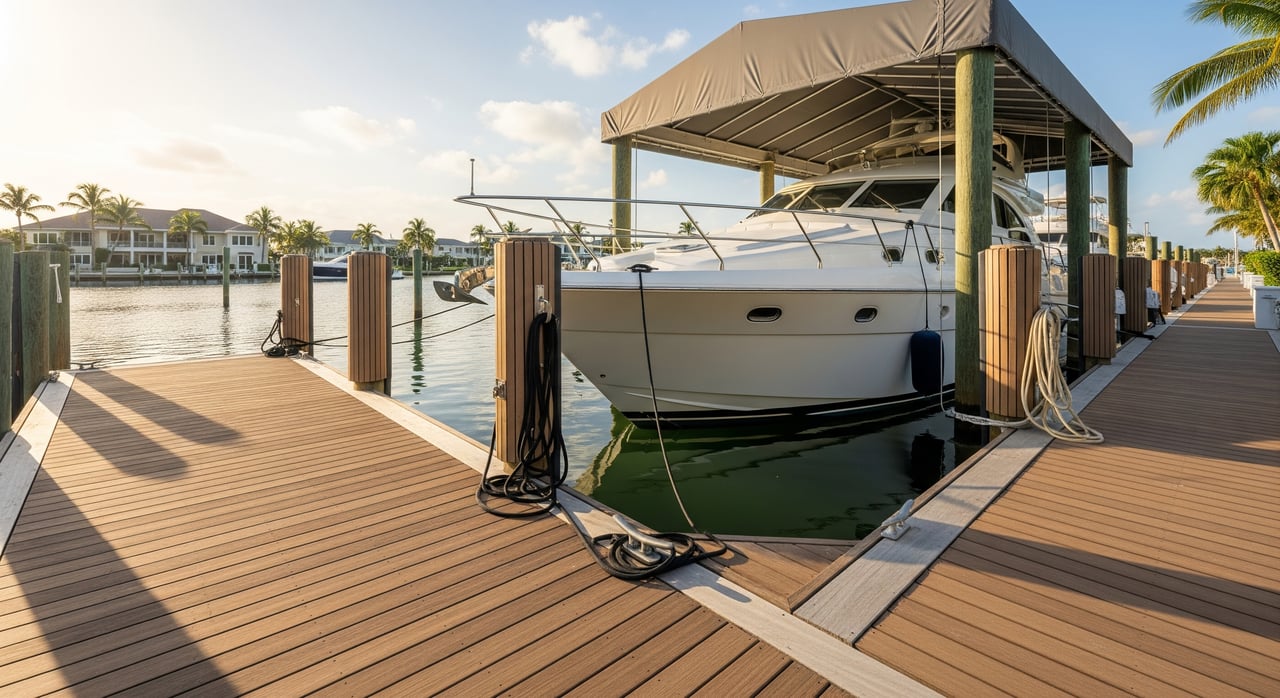
If boating and fishing are central to your lifestyle, the waterfront landscape matters. Port Charlotte stands out for its extensive canal systems that connect many homes to Charlotte Harbor and then the Gulf. Many canal-front properties have private docks or boat lifts. Water depths and route types vary by canal, so verify whether the path to open water fits your boat’s draft.
North Port offers river, lake, and some canal access, plus proximity to natural preserves. Direct and uniform Gulf access is less common than in Port Charlotte. If your goal is immediate saltwater access, confirm the exact route, including bridges and tidal effects.
Flood and insurance basics
Waterfront and coastal properties often sit in FEMA flood zones. That can affect insurance costs and building requirements. Consider the following steps:
- Check FEMA Flood Insurance Rate Maps and request an elevation certificate if the home is in a Special Flood Hazard Area.
- Ask an independent insurance professional about private flood options vs. NFIP coverage and about potential windstorm policies and deductibles.
- Discuss wind mitigation credits tied to roof age, fasteners, and storm shutters.
- If Citizens Property Insurance is relevant for your situation, ask about current availability and rate context.
Docks, dredging, and permits
For canal and harbor properties, dock construction and dredging normally require county and state permits, and sometimes U.S. Army Corps of Engineers approvals. Confirm the following:
- Dock permits and maintenance records
- Sea wall condition, if applicable
- Riparian rights or easements tied to the property
- Canal dredging responsibilities and any cost-sharing or special assessments
Out-of-state and virtual buying
Remote buyers succeed when they prep documents, ask for full multimedia, and line up logistics early. Request a complete listing packet and plan at least one live video tour plus unedited walk-through footage.
Pre-tour prep checklist
- Seller disclosures and, if applicable, lead-based paint disclosure
- HOA, CCRs, and CDD documents, budgets, and minutes
- Property survey or plat, plus elevation certificate if in a floodplain
- Recent utility bills and property tax history
- High-resolution photos and floor plans
Virtual tour questions
- Systems and structure: roof age and material, HVAC age and records, water heater, electrical panel capacity, and any signs of leaks or pest treatment.
- Measurements and flow: exact room dimensions, measured floor plan, and lot lines.
- Street context: traffic flow, parking rules, sidewalks, and common-area upkeep.
- Noise and daylight: tour during weekday commute hours and on a weekend.
- Sun orientation: window types, shade patterns, and shutter storage.
Remote closing and financing
Many Florida title companies support Remote Online Notarization or coordinated out-of-state closings. Confirm the process early, including how identity checks and wiring will be handled. Arrange a licensed home inspector and ask for full reports. If repairs are needed, request written estimates from licensed contractors. Protect yourself from wire fraud by calling your title company at a verified phone number to confirm instructions.
Appraisals are standard for financed purchases. Lenders often look for appraisers with experience in waterfront or manufactured-home markets when relevant.
Waterfront remote tips
- Request water-depth readings at the dock and, where helpful, recent channel soundings.
- Ask about bridge clearances and tidal influence on your specific route.
- If the home has a private well or septic, request recent testing and service records.
- Ask for daytime and evening drone or street-level video to understand boat traffic and noise.
Virtual-tour scenarios
- Scenario A — Newer-home focus: You want a single-family home near Sarasota with modern features and occasional boating. Ask for a live tour of a model plus a resale in the same North Port community, verify CDD and HOA fees, and schedule a drive-to-airport video showing the route to SRQ.
- Scenario B — Boater’s value hunt: You want an affordable canal-front property with strong saltwater access. In Port Charlotte, request dock and depth videos at different tides, a list of nearby marinas, and a quick video chat with a local marine service provider.
- Scenario C — Low-maintenance lifestyle: You want a 55+ community with active amenities. Ask to view the clubhouse, activity calendar, and a virtual HOA meeting, and request the community bylaws and fee schedule.
Insurance and inspection essentials
Florida coastal markets reward thorough due diligence. Build the following into your plan, especially for older or waterfront homes:
- Full home inspection by a licensed inspector
- Wind mitigation inspection for potential insurance credits
- Termite or wood-destroying organism inspection
- Mold and moisture inspection for any home with past leaks or storm events
- Roof inspection for age, life expectancy, and past repairs
- Dock, sea wall, or shoreline inspection where applicable
- Septic and well inspections if not on central systems
Ask the seller for documentation of prior hurricane or storm damage, permits for repairs, and contractor invoices. Verify that associated permits were properly closed in county records.
Services to consider
- Schools: North Port is served by Sarasota County Schools, and Port Charlotte is served by Charlotte County Public Schools. If schools are a priority, review state report cards and attendance boundaries for specific addresses.
- Healthcare: Both areas offer hospitals and urgent care within a reasonable drive. Confirm the closest facilities and specialties that match your needs.
- Utilities and internet: Newer subdivisions are more likely to have central sewer, while some older homes use septic. Broadband speeds vary by provider, so confirm availability if you work from home.
- Safety and crime data: Consult county crime maps and local law enforcement resources for current statistics.
How to choose with confidence
- Choose North Port if you value newer subdivisions, planned amenities, and a location that aligns with the Sarasota and Venice job and service market.
- Choose Port Charlotte if canal-front living, boating access to Charlotte Harbor, and a broader range of price points are top priorities.
- For either market, focus on HOA and CDD rules, insurance and flood considerations, and commute routes that fit your routine.
If you want a guided comparison, virtual tours, and a clear plan from first look to closing, reach out. Jennifer & Philip Taberski can help you evaluate neighborhoods, set up remote showings, and coordinate a smooth closing.
FAQs
Which city is better for boating in Southwest Florida?
- Port Charlotte typically offers more direct canal-to-harbor-to-Gulf routes, but you should verify channel depths, bridge clearances, and dock conditions for your specific boat.
How close is North Port to Sarasota amenities and jobs?
- North Port is oriented toward commutes to Sarasota, Venice, and Bradenton, which makes it a reasonable choice if you plan to access the greater Sarasota market regularly.
Are HOAs and CDDs common in North Port and Port Charlotte?
- Both areas have HOAs, and newer master-planned neighborhoods, especially in North Port, often include CDD assessments that are separate from HOA dues.
Can I buy a home remotely in North Port or Port Charlotte?
- Yes, many title companies offer Remote Online Notarization or coordinated out-of-state closings; confirm wiring procedures, identity checks, and inspection logistics early.
What should canal-front buyers verify before making an offer?
- Confirm dock permits and condition, water depth, dredging responsibilities, route to open water, flood zone status, and expected flood and wind insurance requirements.
How do schools differ between North Port and Port Charlotte?
- North Port is served by Sarasota County Schools, and Port Charlotte is served by Charlotte County Public Schools; review state report cards and boundary maps for address-specific details.