Wondering why some Punta Gorda homes seem to grab attention right away while others sit longer than expected? In a market where buyers often start online and may be shopping from out of state, your listing needs more than a sign in the yard. A digital listing plan helps you present your home clearly, reach more serious buyers, and make smarter decisions as the listing unfolds. Let’s dive in.
Why digital matters in Punta Gorda
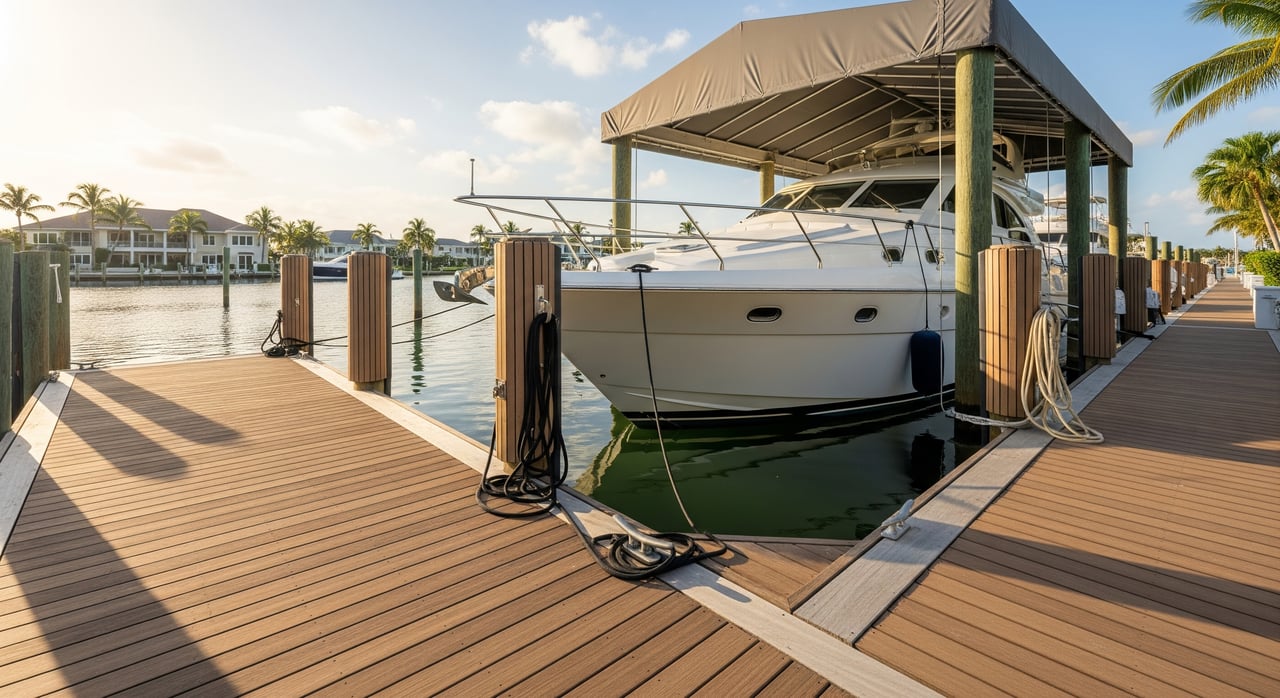
Punta Gorda is not a one-size-fits-all market. The city is known for its waterfront setting, access to Charlotte Harbor, the Peace River, and the Gulf, plus extensive canal-front living in areas like Punta Gorda Isles and Burnt Store Isles. That means buyers often want to understand not just the house, but also the setting, layout, water access, and lifestyle before they schedule a showing.
That is where a digital listing plan becomes especially useful. Strong visuals and clear online information help reduce uncertainty for buyers who may be comparing homes remotely. In a market with waterfront homes, condos, villas, and second-home activity, that extra clarity can make a real difference.
Local numbers support a polished approach. Florida Realtors reported that in May 2026, the Punta Gorda MSA saw 562 single-family closed sales, up 4.9% year over year, with a median sale price of $351,000, up 8.0%. Condo and townhouse sales also rose, reaching 127 closings, up 19.8% year over year, with a median sale price of $255,000.
At the same time, Realtor.com reported about 4,000 homes for sale in Punta Gorda, a median listing price of $375,000, 85 median days on market, and a 96% sale-to-list ratio in May 2026. That tells you homes are selling, but not always instantly. Accurate pricing and broad exposure matter.
What a digital listing plan includes
A digital listing plan is not just posting your home online and hoping for the best. It is a step-by-step system designed to prepare your property, launch it with strong media, expand its visibility through the MLS network, and track how buyers respond.
For Punta Gorda sellers, that process usually includes:
- Pre-list preparation
- Accurate MLS entry
- Professional photography
- Video walkthroughs
- Virtual tours
- Ongoing performance review
- Offer and closing support
This kind of structure fits how buyers shop today. According to the 2025 Profile of Home Buyers and Sellers, 52% of buyers found their home online, and 70% used a mobile device or tablet during the search. Among internet users, 83% said photos were very useful, 57% said floor plans were very useful, 41% said virtual tours were very useful, and 29% said videos were very useful.
Start with pre-list preparation
Before your home goes live, the groundwork matters. A digital listing plan works best when your information, documents, and property presentation are ready from the start. That helps your home launch faster and gives buyers more confidence.
In Florida, sellers must disclose known facts that materially affect the value of residential real property and are not readily observable, even in an as-is sale. Florida law also requires a flood disclosure at or before contract execution. For most homes built before 1978, lead-based paint disclosures are also required under EPA and HUD rules.
In Punta Gorda, it is also smart to gather property-specific details early. For many sellers, that may include:
- Flood history information
- Insurance notes
- HOA or condo documents
- Code enforcement records, if any
- Details about updates, repairs, or permits
Getting these items together early can prevent delays later. It also helps your listing present as organized and transparent, which is important when buyers are making decisions from a distance.
Build the right digital assets
Not every listing needs the exact same mix of media, but strong digital assets are essential in Punta Gorda. Buyers want to see the condition, flow, and setting of the home before they invest time in a visit. That is especially true for waterfront and canal-front properties, where outside features may be just as important as the interior.
Photos create the first impression
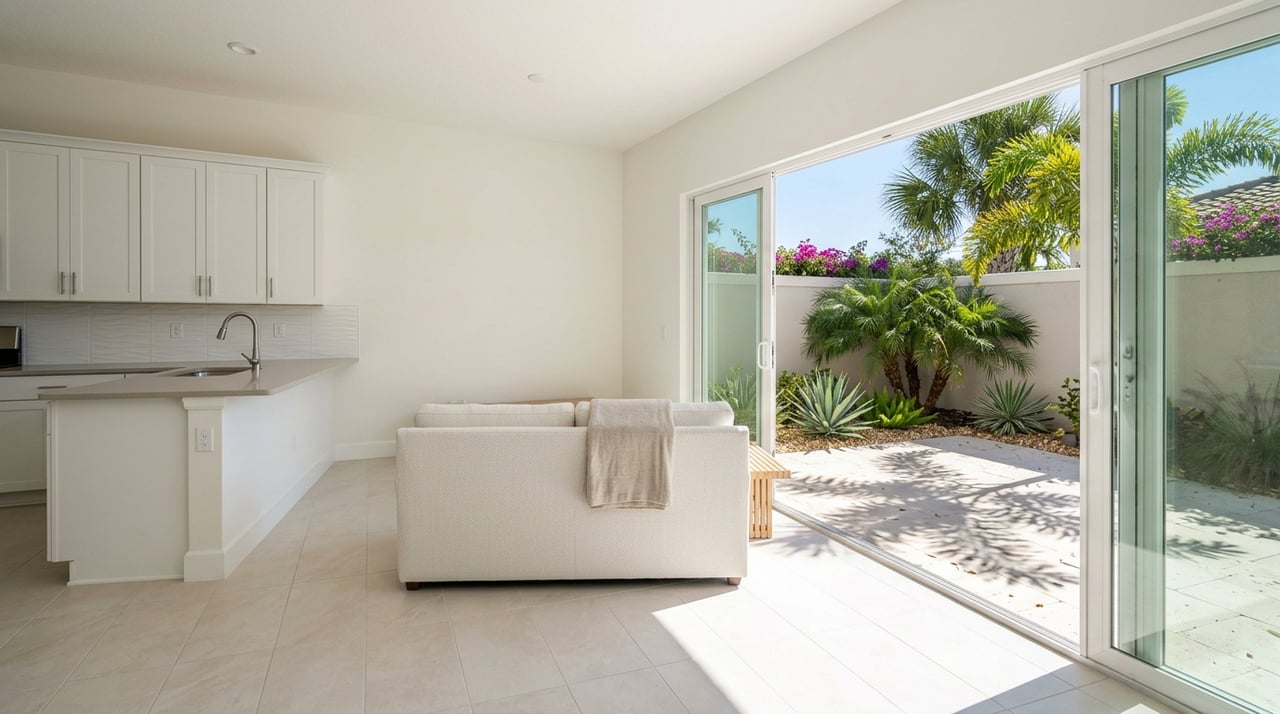
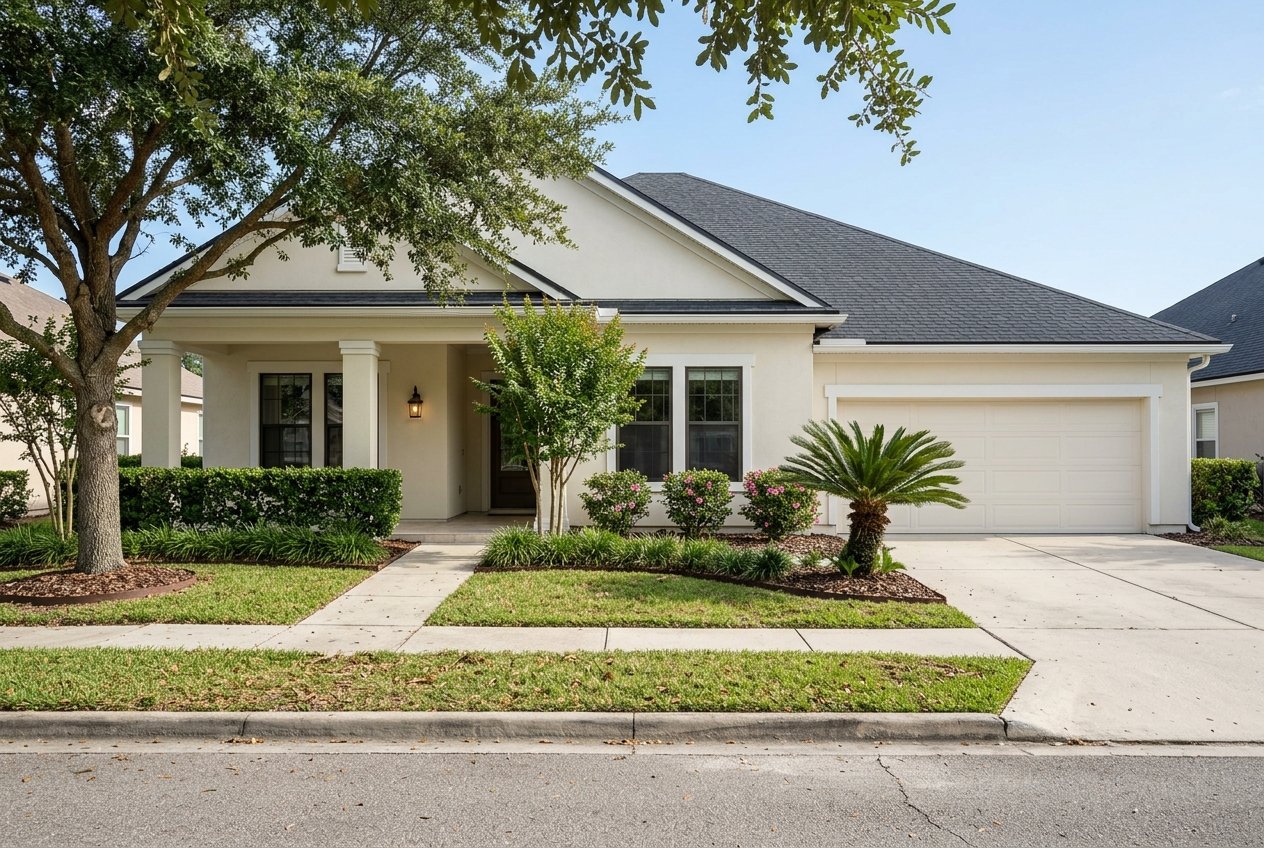
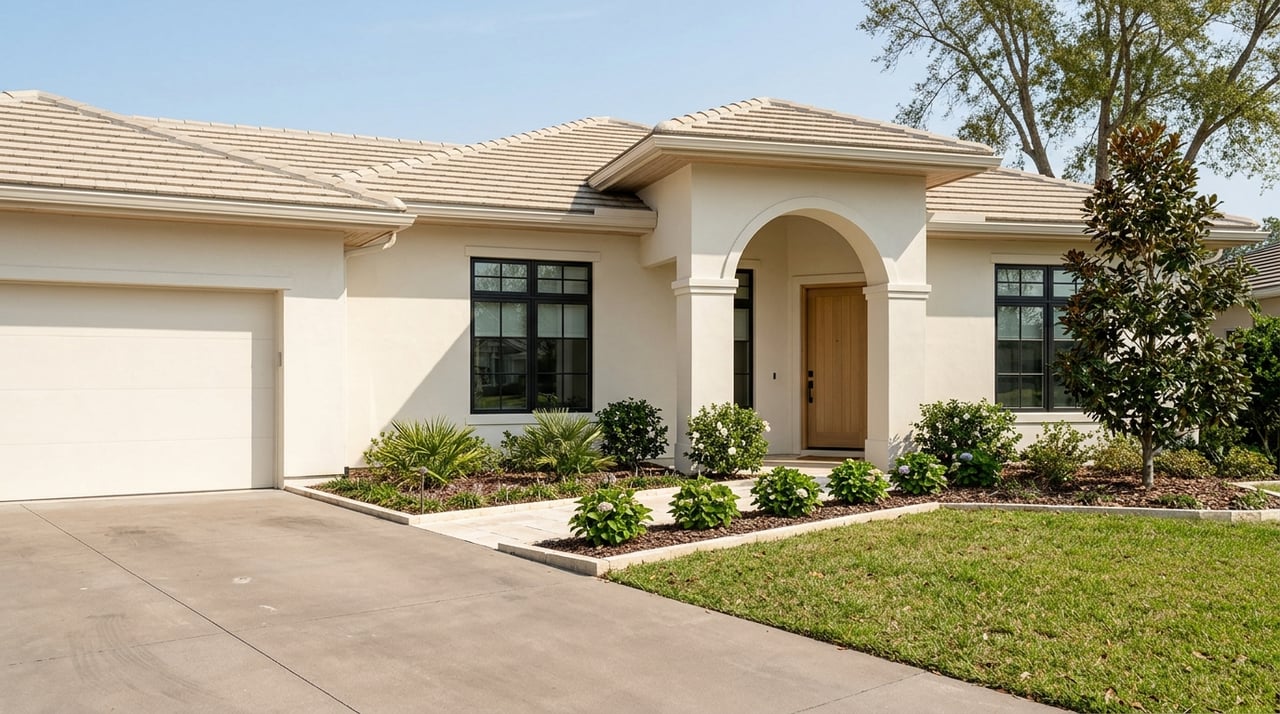
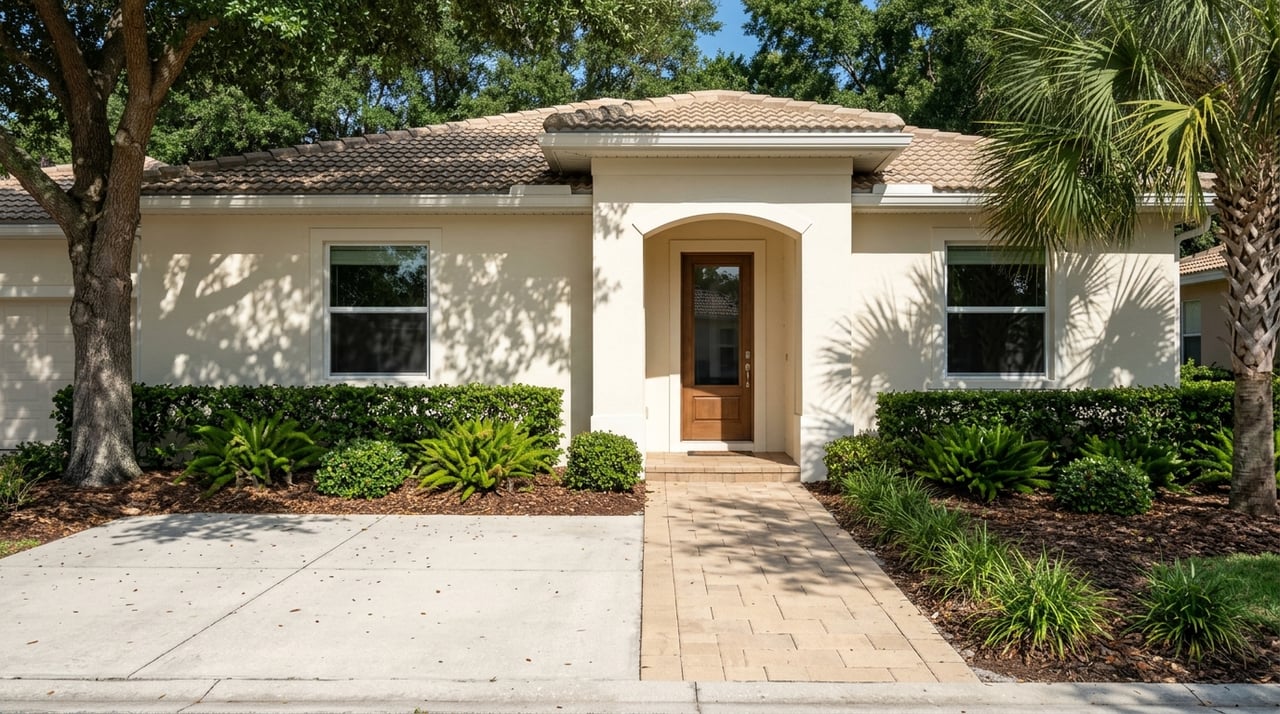
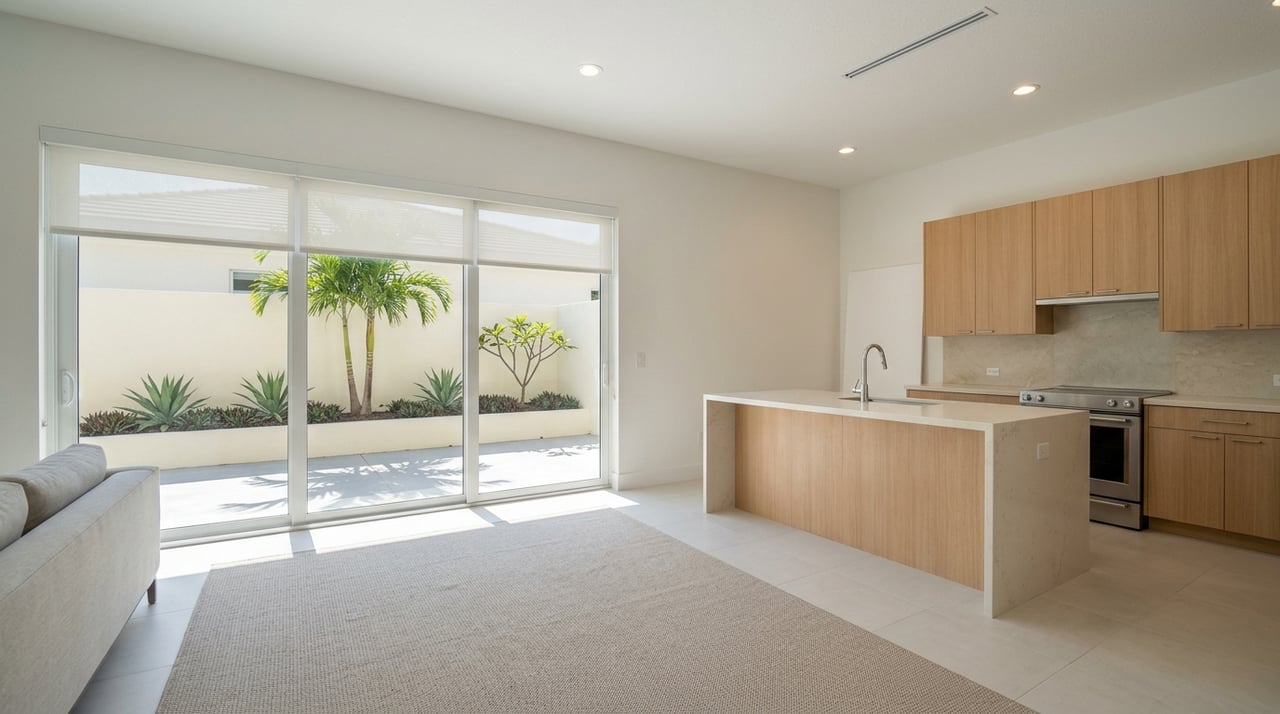
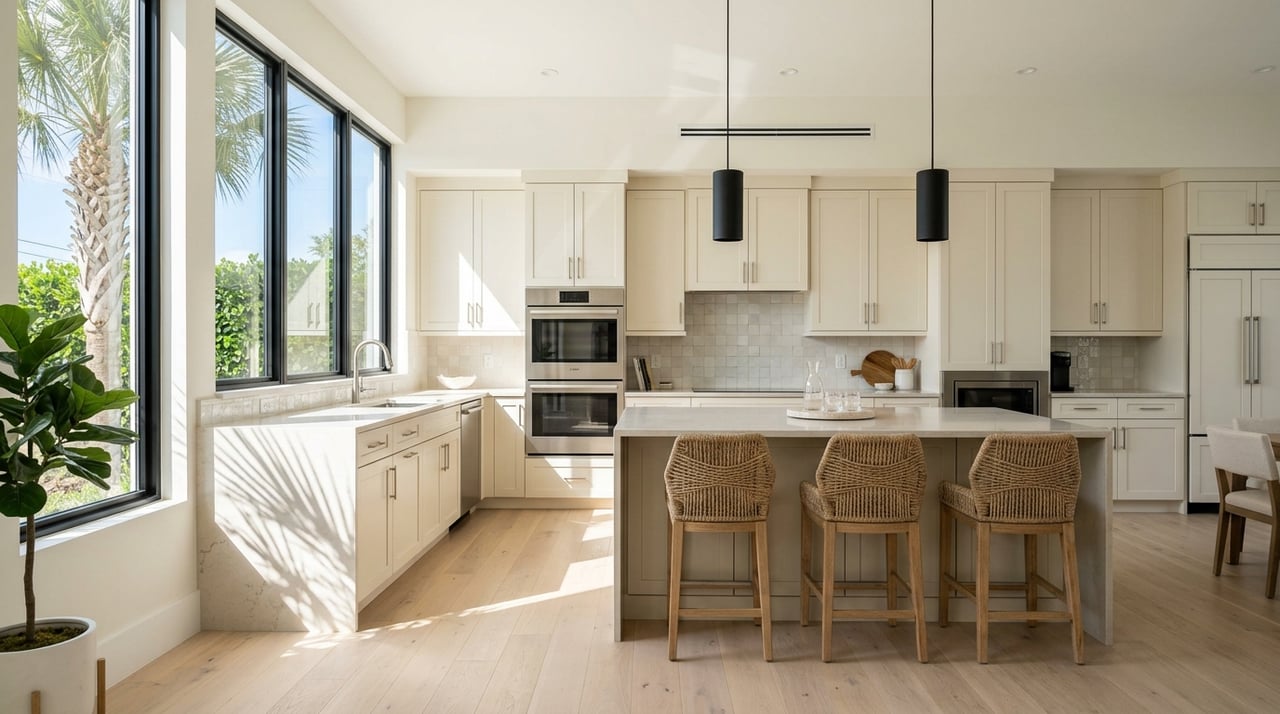
Professional photography is still the foundation. Buyers often decide in seconds whether a listing is worth a closer look. Clean, bright images help showcase layout, natural light, updates, and outdoor features.
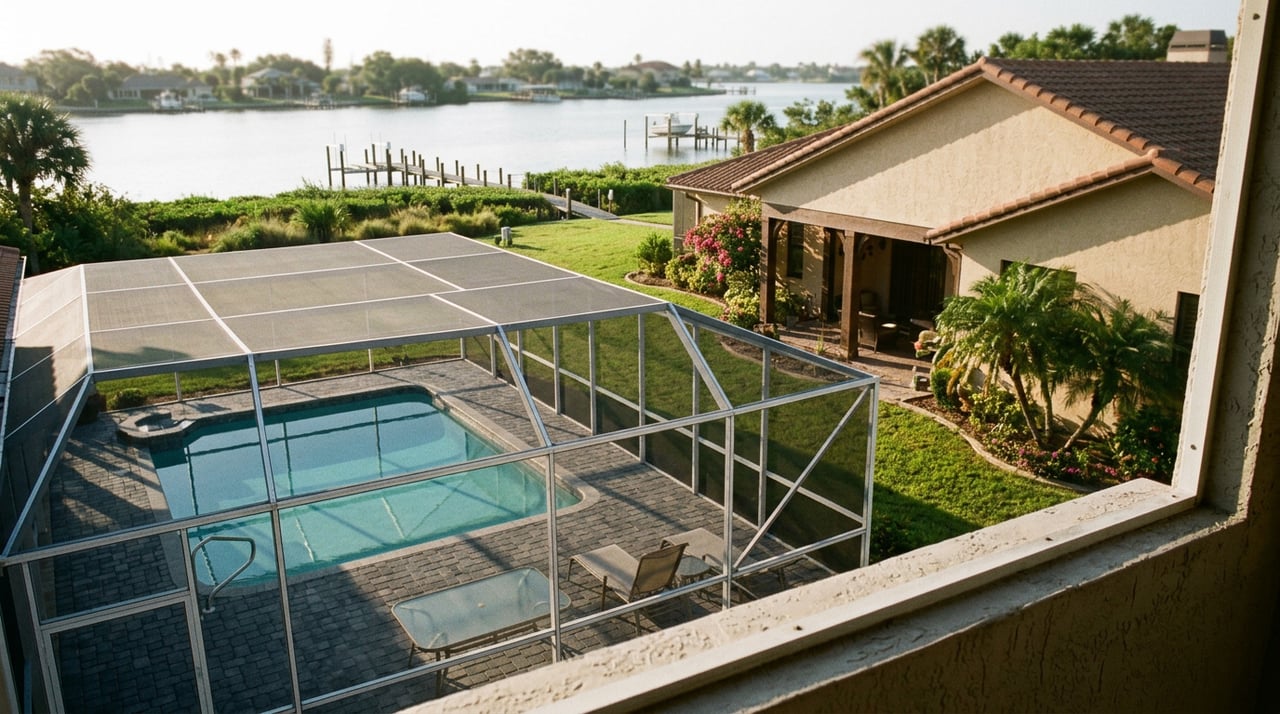
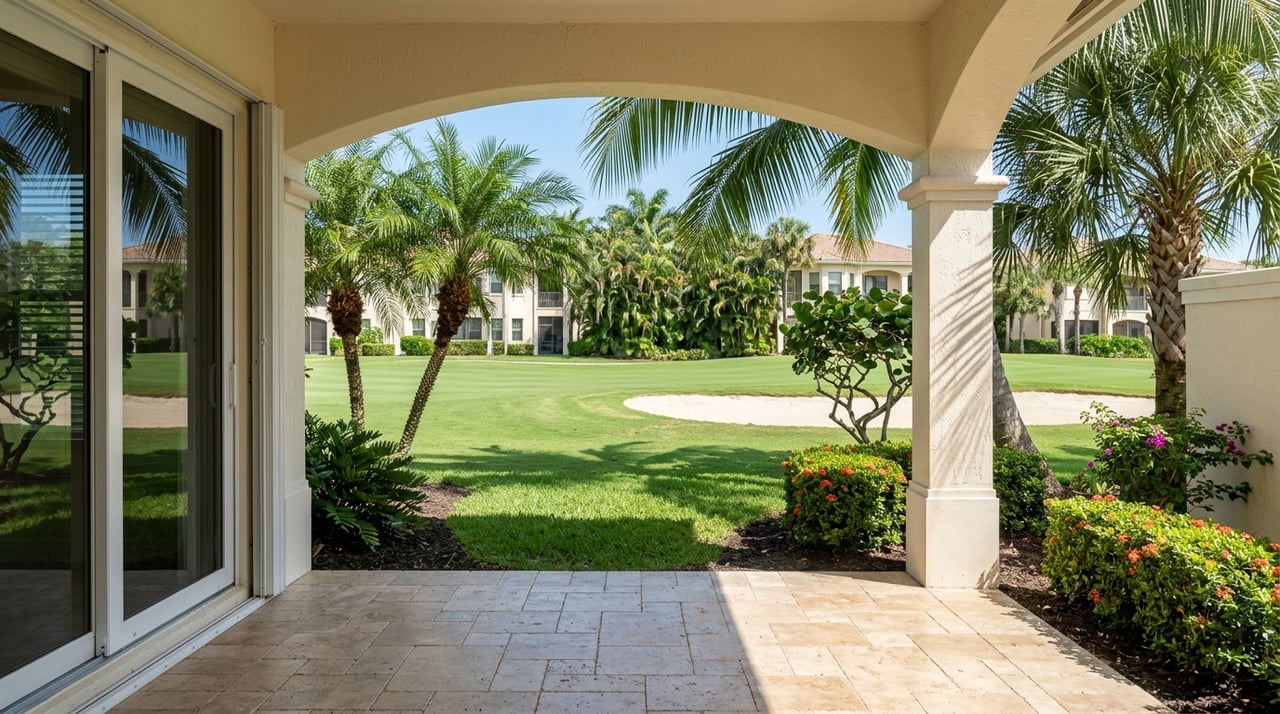
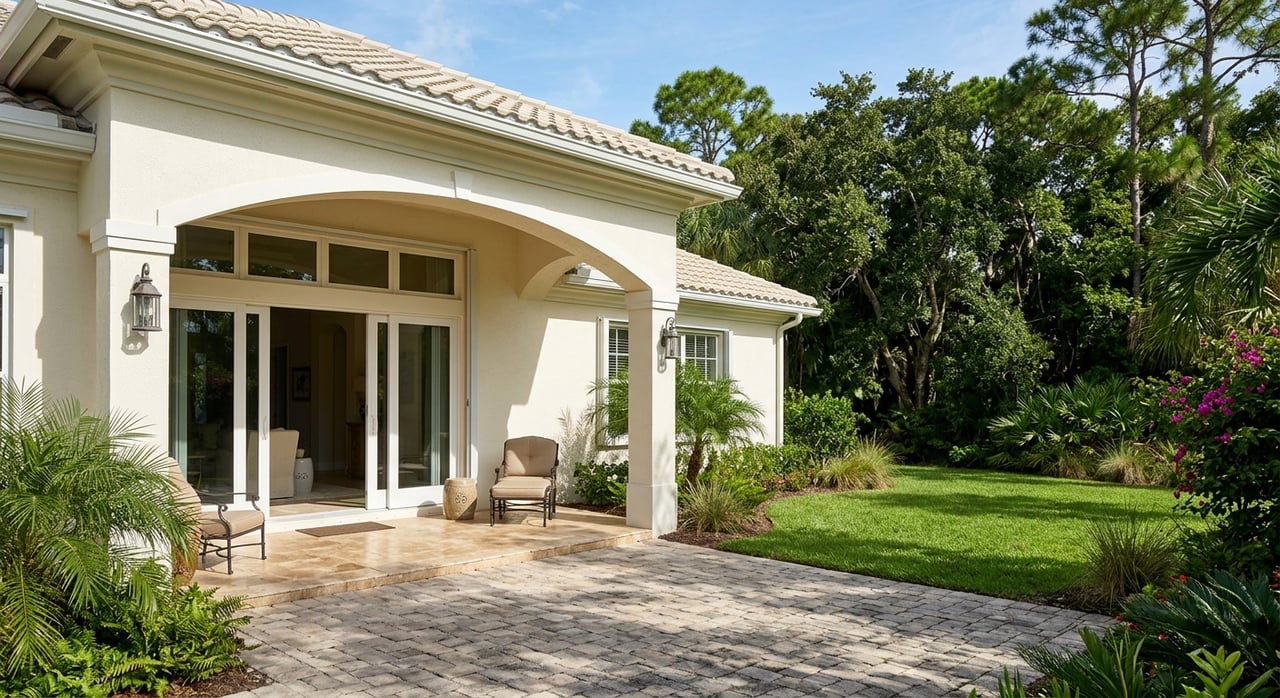
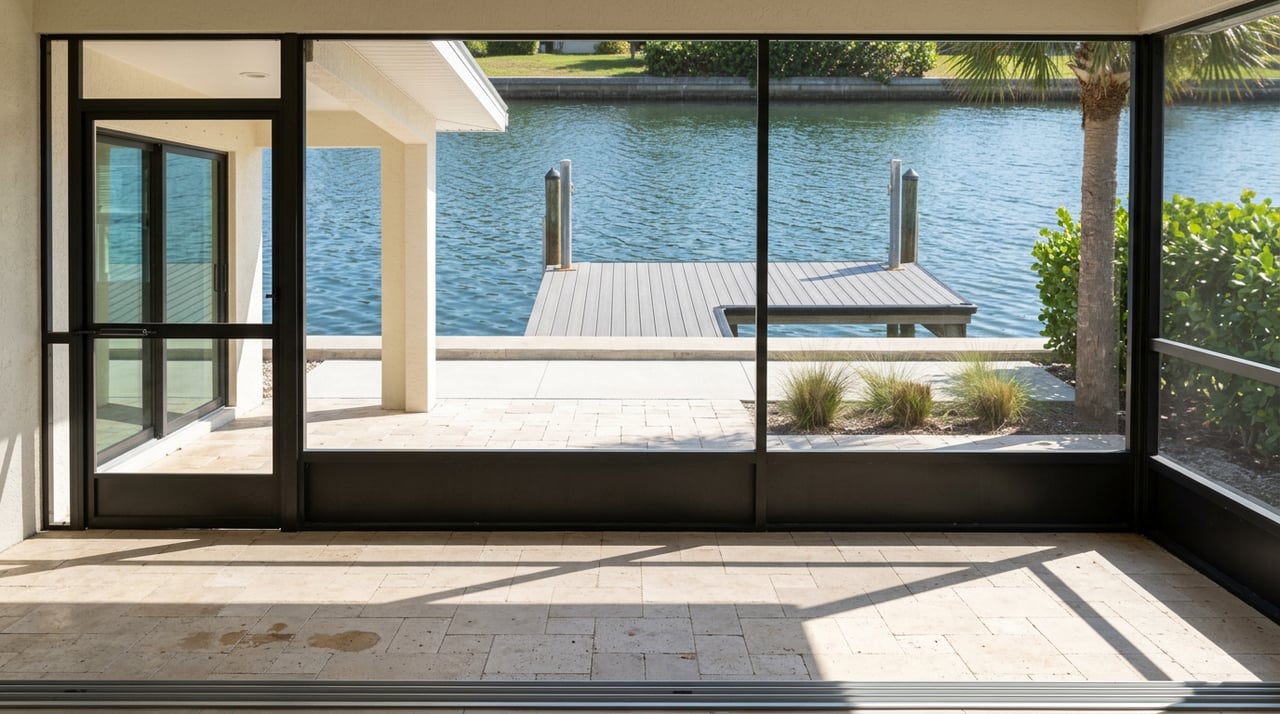
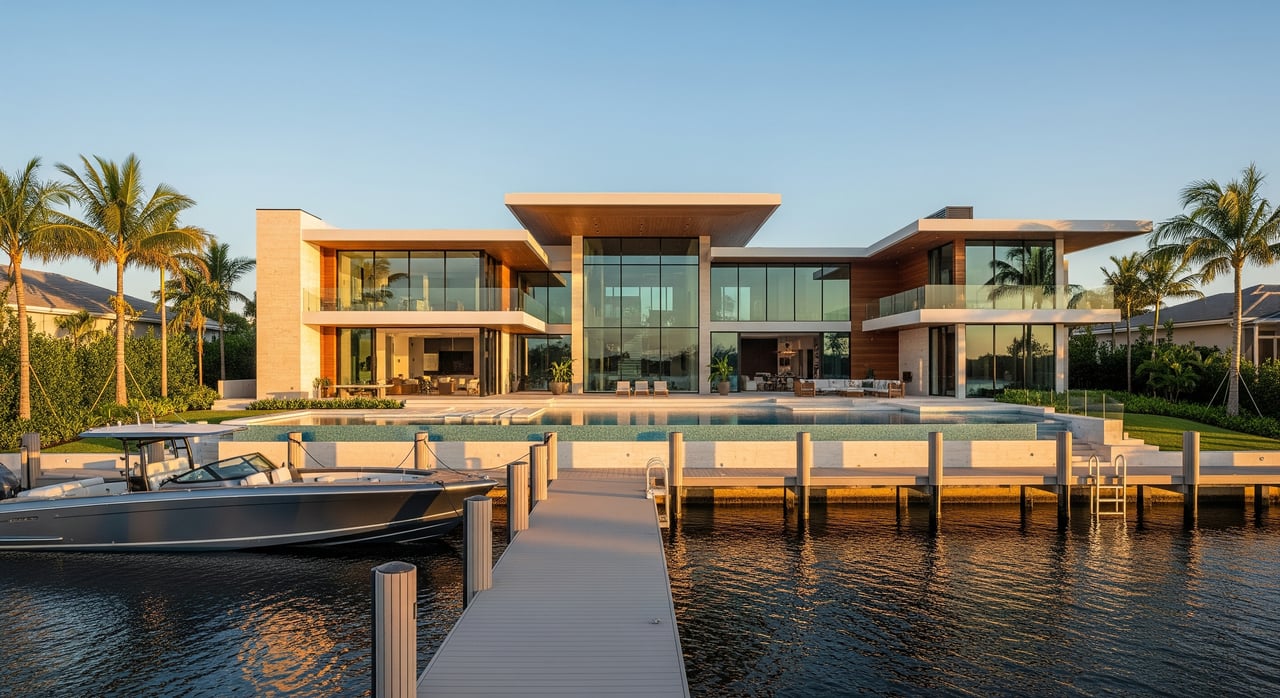
For Punta Gorda homes, photos should also help buyers understand what makes the property unique. That may include canal views, pool areas, lanais, dock features, or the relationship between indoor and outdoor living spaces.
Video adds context
A video walkthrough helps buyers connect the dots that still photos cannot always explain. It can show how rooms flow together, how the home feels as you move through it, and how outdoor spaces relate to the interior.
In a market with long-distance buyers and second-home shoppers, video can be a strong confidence tool. It gives buyers a more realistic sense of the property before they plan a trip or request a showing.
Virtual tours help remote buyers
Virtual tours can make a listing more useful for buyers who are comparing several homes at once. They let people revisit the property, look more closely at room placement, and feel more prepared for an in-person showing.
For many Punta Gorda sellers, this matters because buyers are not always local. If your home is part of a relocation search or seasonal purchase, a virtual tour can help keep your listing in the running.
Floor plans improve clarity
Floor plans are often overlooked, but they can be very helpful. Buyers want to know not just what a room looks like, but how the home actually lives. A floor plan can answer questions about bedroom placement, open-concept flow, guest privacy, and access to outdoor areas.
That can be especially important in condos, villas, and homes with split floor plans. When buyers understand the layout early, they can make faster and more confident decisions.
Why MLS exposure still matters
A digital listing plan should begin with accurate MLS entry, not replace it. The MLS remains a core tool for getting your home in front of agents and buyers across a larger network. Strong media and property details work best when they are paired with a well-built MLS listing.
Stellar MLS says it has the largest coverage area in Florida and Puerto Rico, handled 50.8% of Florida single-family home sales entered into Stellar MLS in 2024, and offers reciprocal MLS access plus integrated data sharing across participating systems. For sellers, that means broader exposure can come from the MLS ecosystem itself, not just a single website posting.
This is especially important in Punta Gorda, where buyers may be coming from outside the immediate area. The more complete and accurate your listing is at launch, the better chance it has of reaching the right audience quickly.
Price and presentation must work together
Even the best media cannot fix a pricing problem. In a market with a median of 85 days on market and a 96% sale-to-list ratio, buyers still respond to value. If your home is priced too high for its condition, location, or competition, strong digital exposure may create views without offers.
That is why a good listing plan balances pricing strategy with presentation. Your online marketing should generate attention, but the market will still tell you whether buyers believe the price matches what they are seeing.
What to watch after launch
Once your listing is live, the job is not done. One of the biggest advantages of a digital listing plan is that it gives you feedback you can actually use. Instead of guessing, you can look at activity and decide what needs to change.
Useful signals may include:
- Online views
- Buyer inquiries
- Showing requests
- Showing feedback
- Comments about price, condition, or layout
These patterns can help identify the real issue. If buyers are clicking but not scheduling showings, the problem may be presentation or pricing. If showings happen but offers do not, buyers may be reacting to condition, layout, or competition.
Weekly review keeps the plan active
A listing plan should not sit on autopilot. Regular review helps you respond while the listing is still fresh. That could mean adjusting photos, updating remarks, refining price, or highlighting features that buyers are missing.
In a market like Punta Gorda, where homes are moving but not overnight, that kind of course correction can matter. The goal is not just exposure. The goal is exposure that leads to serious offers.
Marketing waterfront and canal-front homes
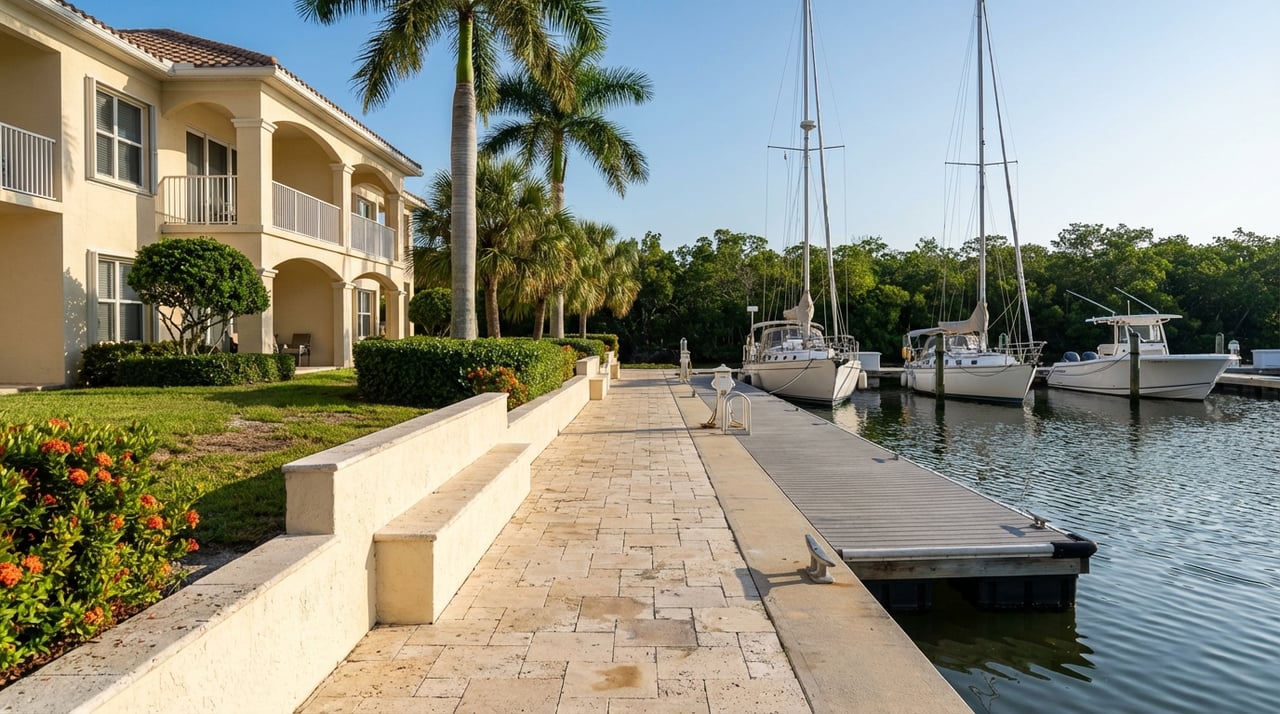
Waterfront homes often need a more thoughtful digital approach than non-waterfront properties. Buyers usually want to understand details that go beyond square footage and finishes. They may be evaluating views, water access, dock setup, outdoor living space, and how the lot sits on the canal or shoreline.
That means your listing media should do more than show pretty pictures. It should help buyers understand the property in practical terms. A strong digital plan can highlight the relationship between the home, the water, and the outdoor spaces in a way that feels useful, not vague.
This is one reason Punta Gorda sellers benefit from a system-driven launch. If your property has features that are hard to explain in a few lines of text, video, photography, and virtual tools can carry more of the story.
From contract to closing
Once you accept an offer, the sale moves into its next phase. For most homeowners, that includes inspections, appraisal, title work, possible repair negotiations, and final closing logistics. By this point, the digital listing plan has already done important work by helping attract buyers and shape the quality of the offers you receive.
A well-prepared and clearly presented listing can also make the contract period smoother. Buyers who feel informed from the start often enter the transaction with fewer surprises and a better sense of what they are buying.
Why this approach fits Punta Gorda sellers
Punta Gorda is a visual, lifestyle-driven market with a strong mix of local, seasonal, and out-of-state buyers. That makes digital presentation more than a nice extra. It is a core part of how your home competes.
A strong digital listing plan helps you prepare thoroughly, launch professionally, monitor buyer response, and adjust when needed. If you want your home to stand out in a market with active inventory and serious online shoppers, a system like this gives you a clearer path forward.
If you are thinking about selling and want a smarter way to market your home, Jennifer & Philip Taberski can help you build a digital listing plan designed for Punta Gorda.
FAQs
What should you do before listing a home in Punta Gorda?
- Start by gathering key property documents, preparing required disclosures, and organizing details like flood history, insurance notes, HOA or condo documents, and any code issues before the home goes live.
Which digital assets matter most when selling a Punta Gorda home?
- Professional photos are the foundation, while video walkthroughs, virtual tours, and floor plans add clarity that can be especially helpful for waterfront, second-home, and out-of-state buyers.
How does MLS exposure help sell a home in Punta Gorda?
- Accurate MLS entry can expand your reach through a wider network of participating systems, helping your listing get in front of more buyers and agents than a single online post alone.
What do listing views and showing feedback mean for a Punta Gorda seller?
- Views, inquiries, showings, and buyer comments can help reveal whether the main issue is price, presentation, or property condition so you can make informed adjustments.
Which disclosures matter when selling a home in Florida?
- Florida sellers must disclose known material facts that are not readily observable, provide a flood disclosure at or before contract execution, and for most pre-1978 homes, provide lead-based paint disclosures.
What is different about marketing a canal-front or waterfront home in Punta Gorda?
- Waterfront marketing should help buyers understand practical features like views, water access, dock setup, and the connection between indoor and outdoor spaces, not just the finishes inside the home.