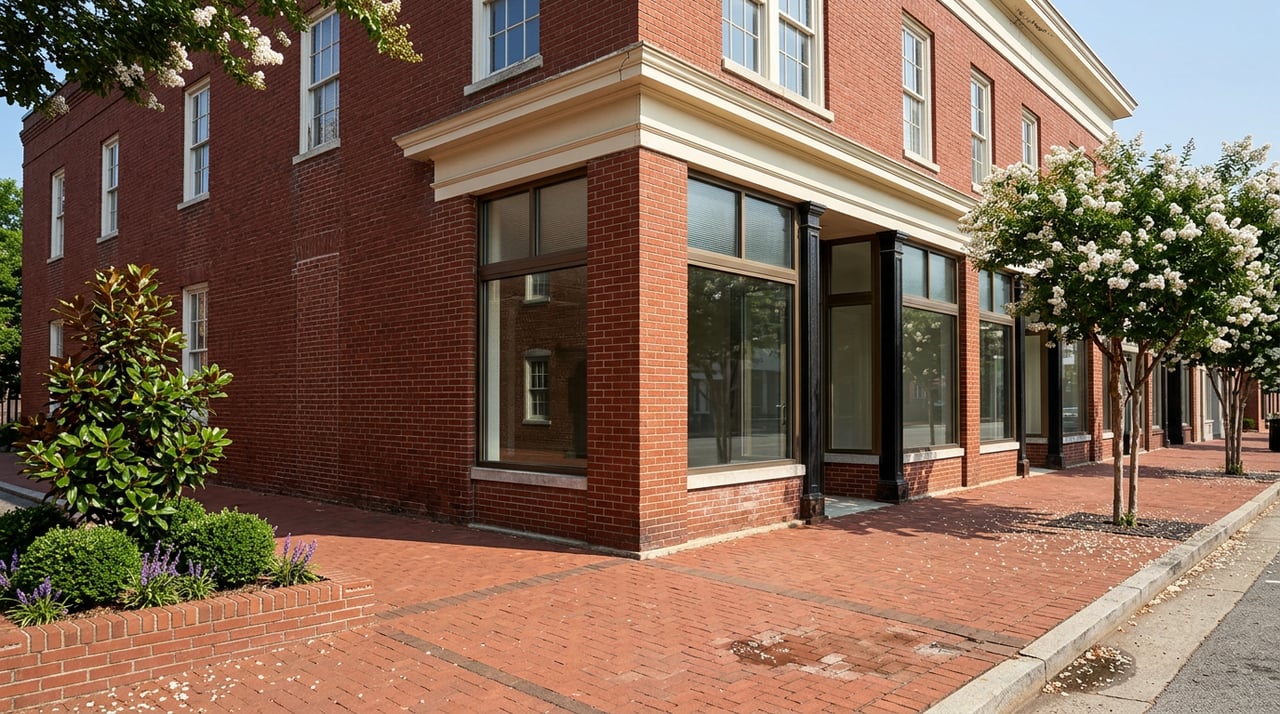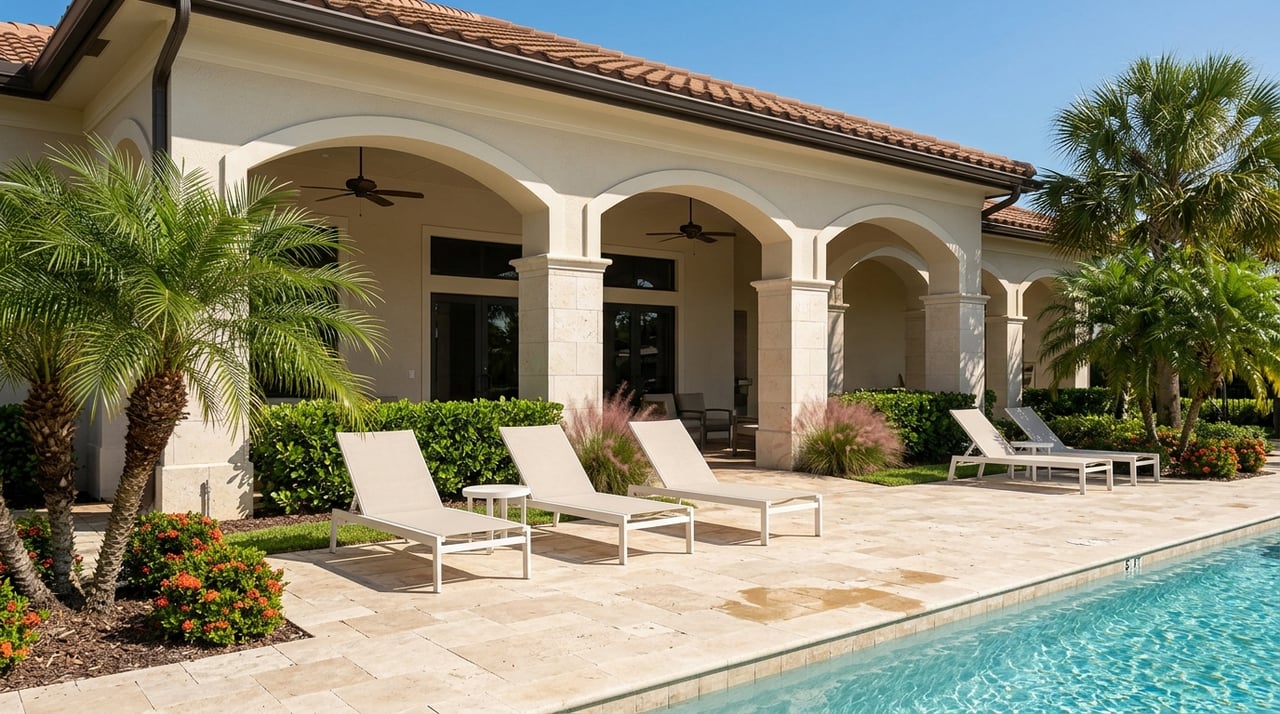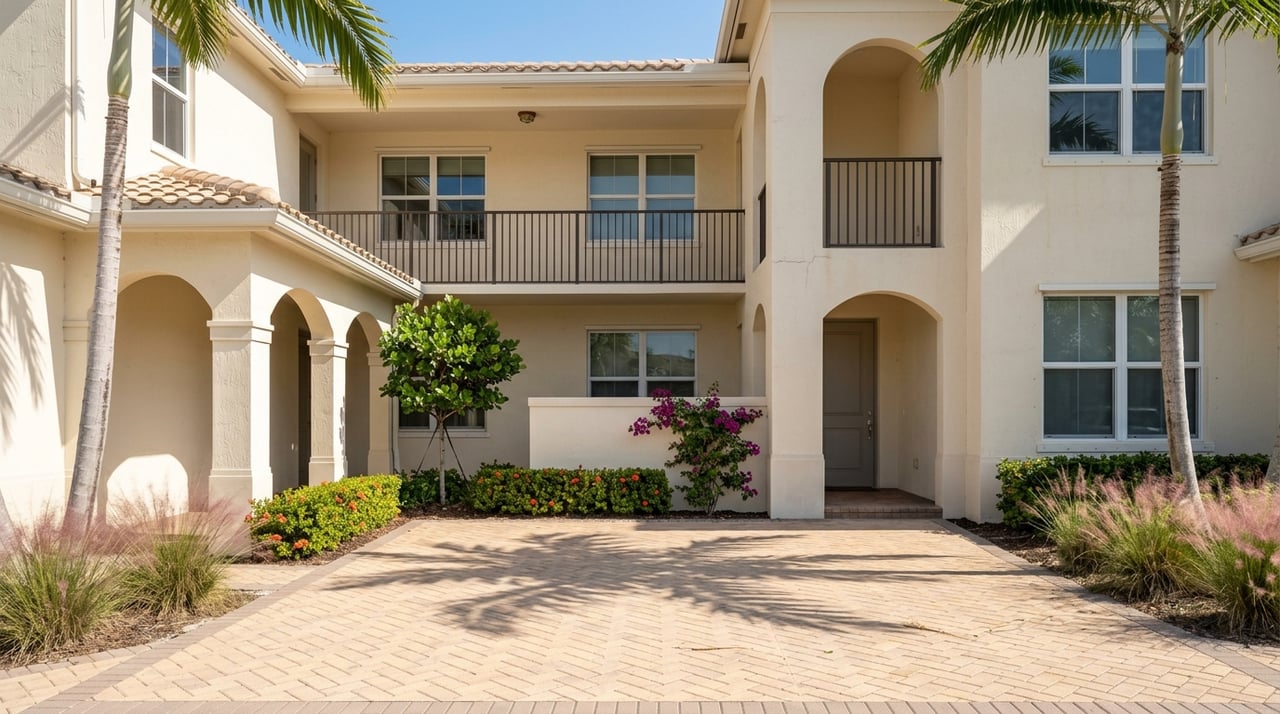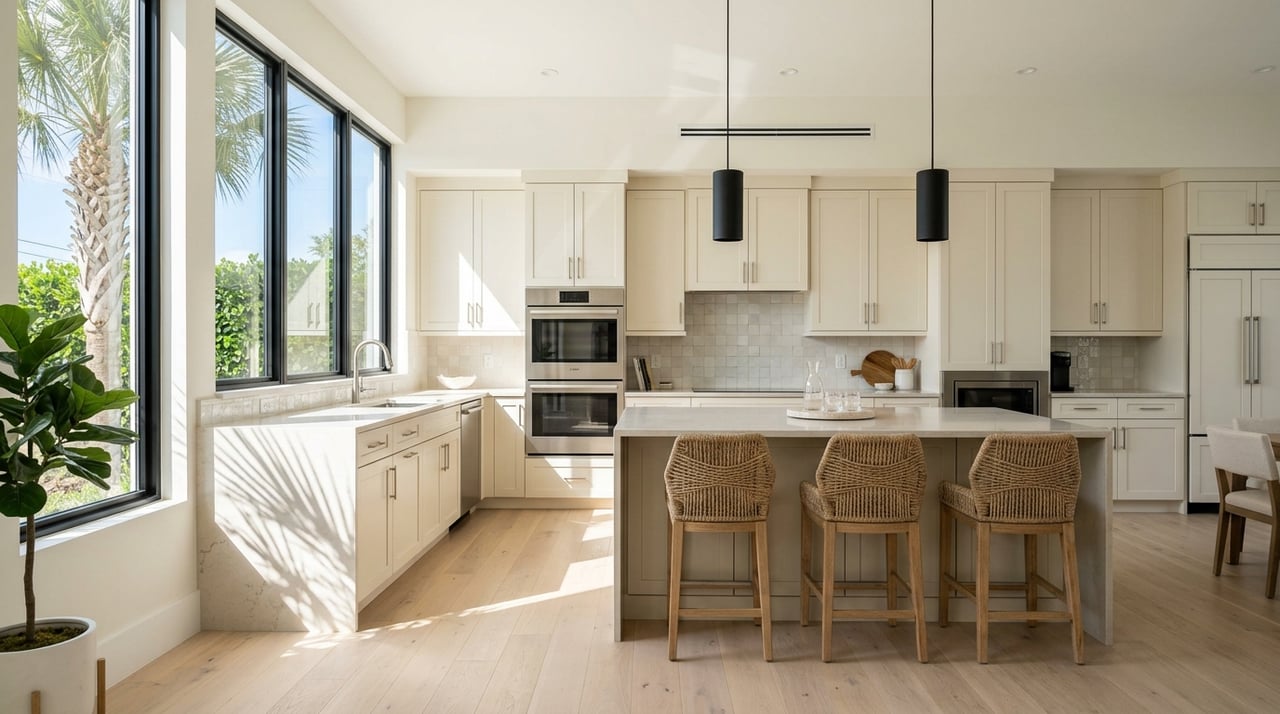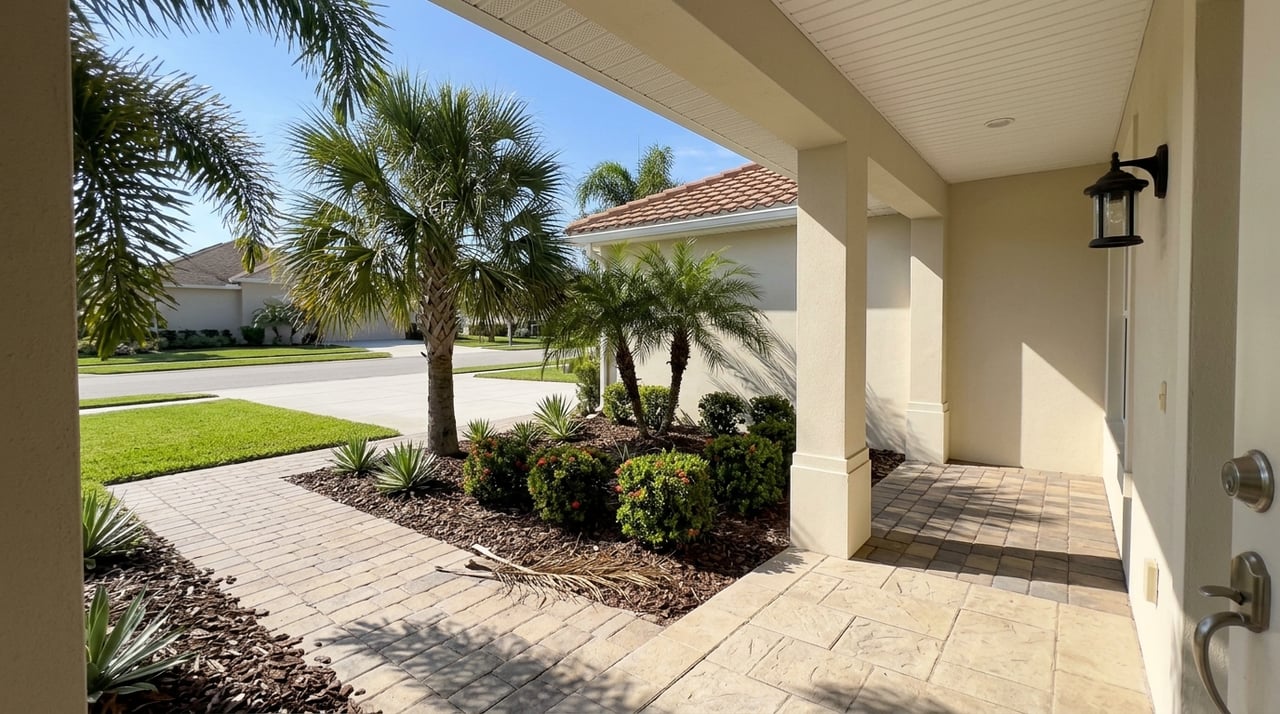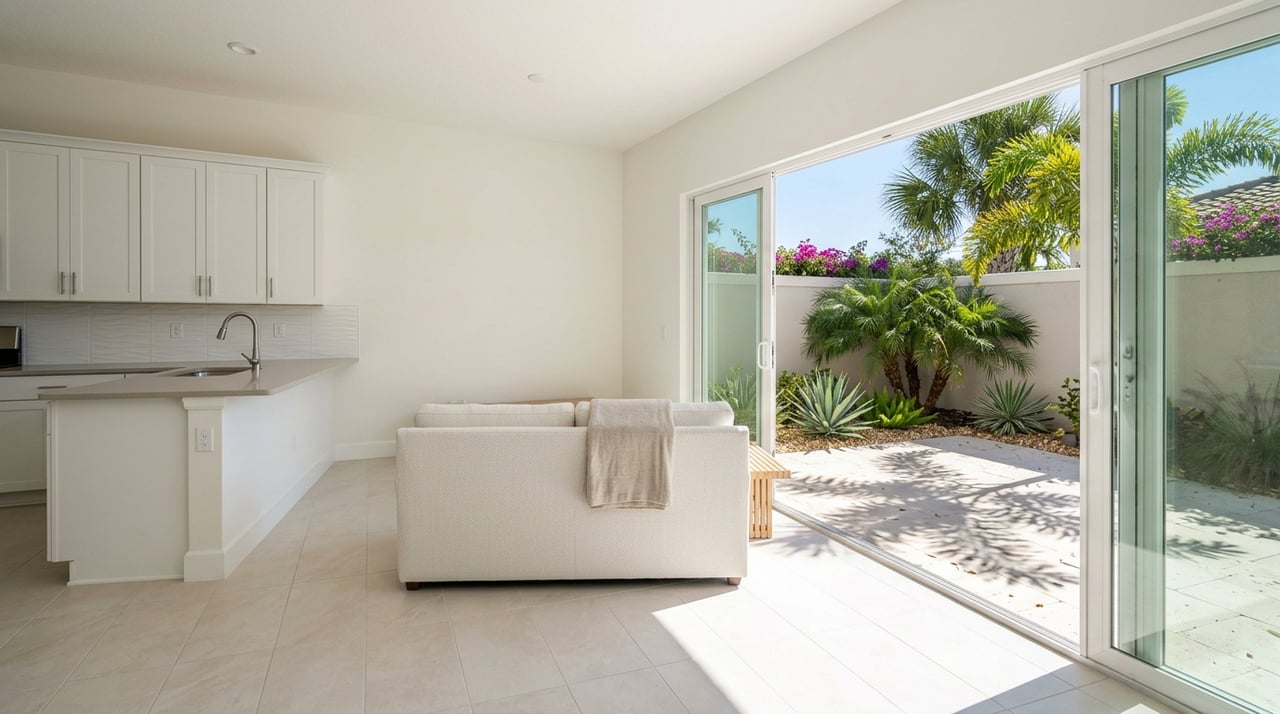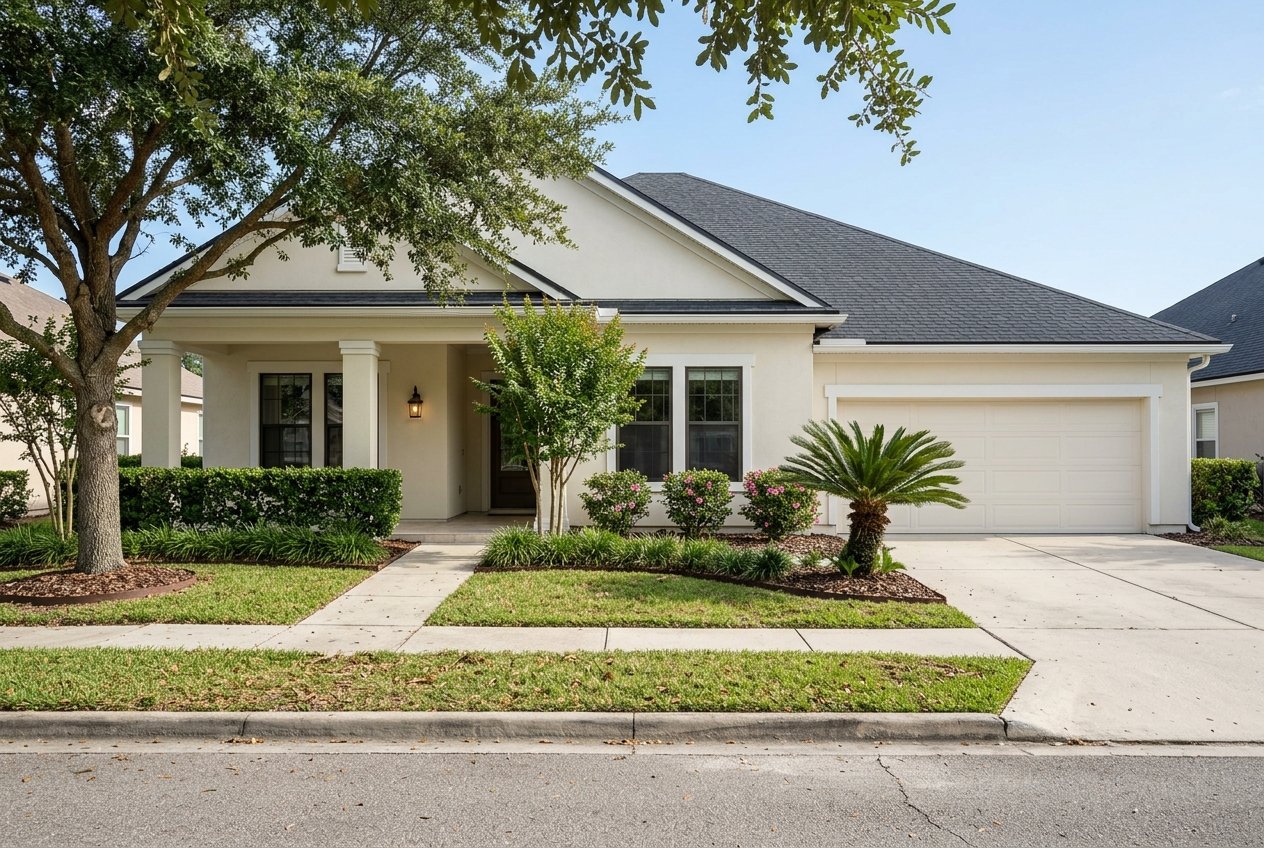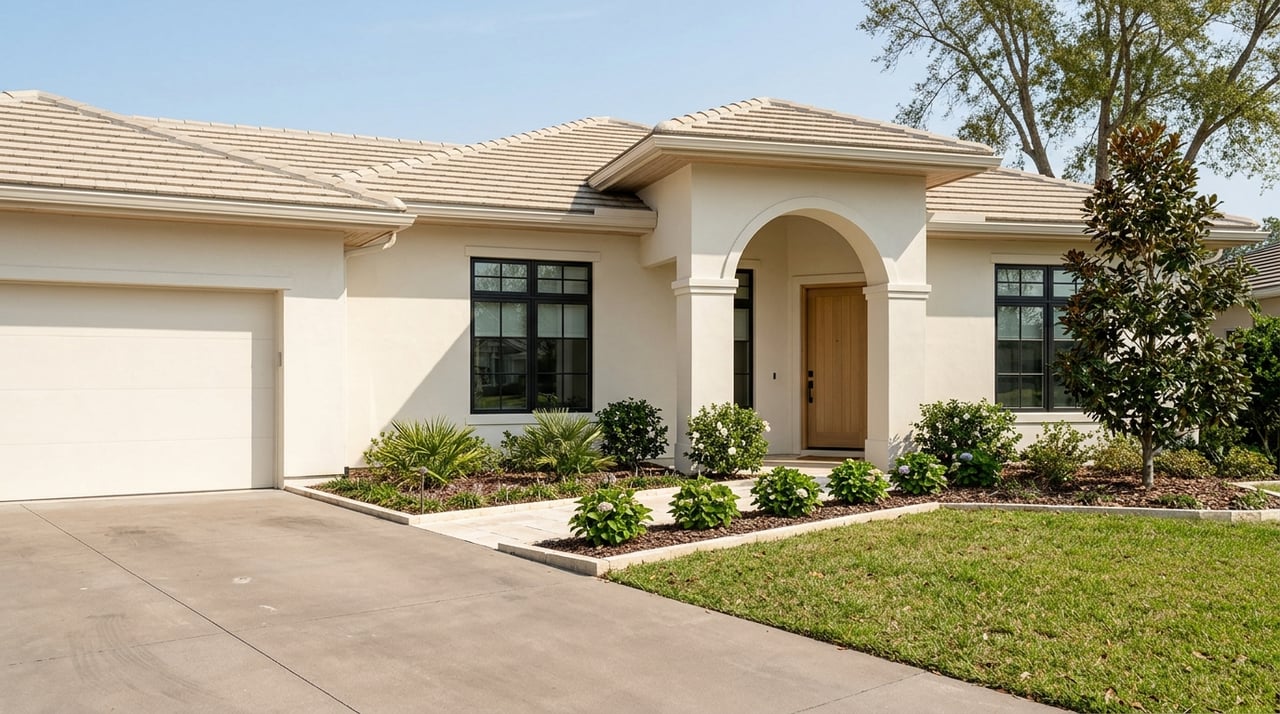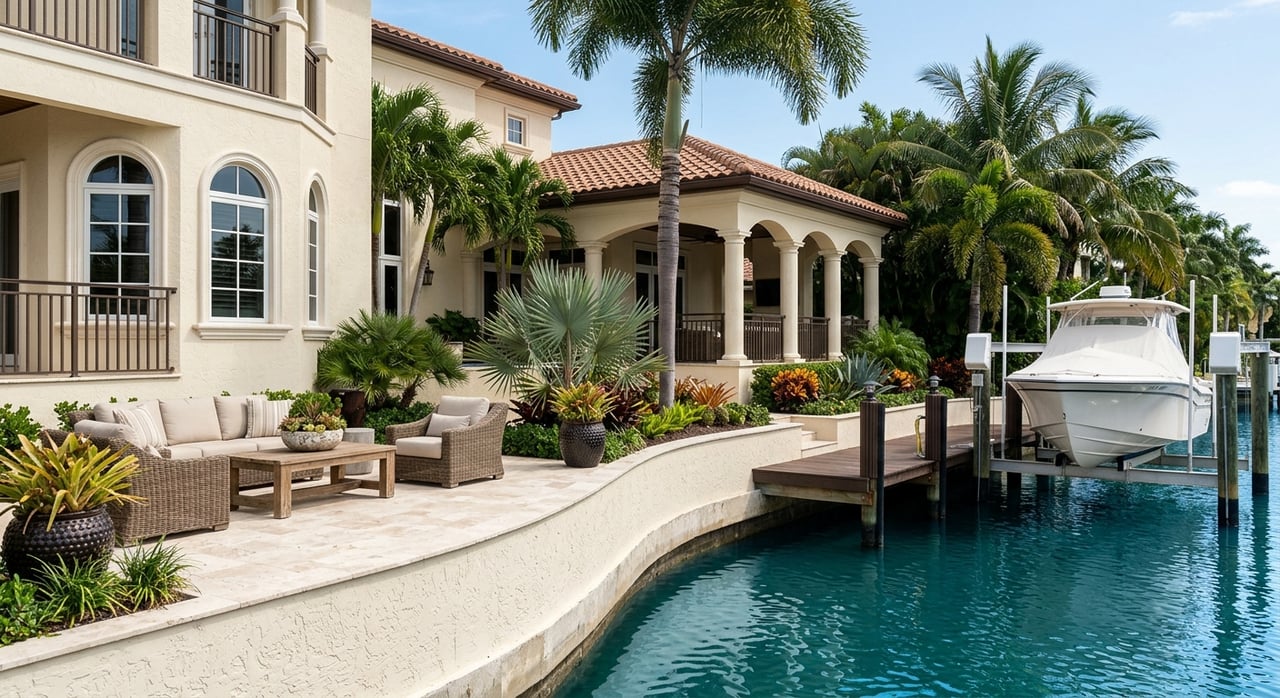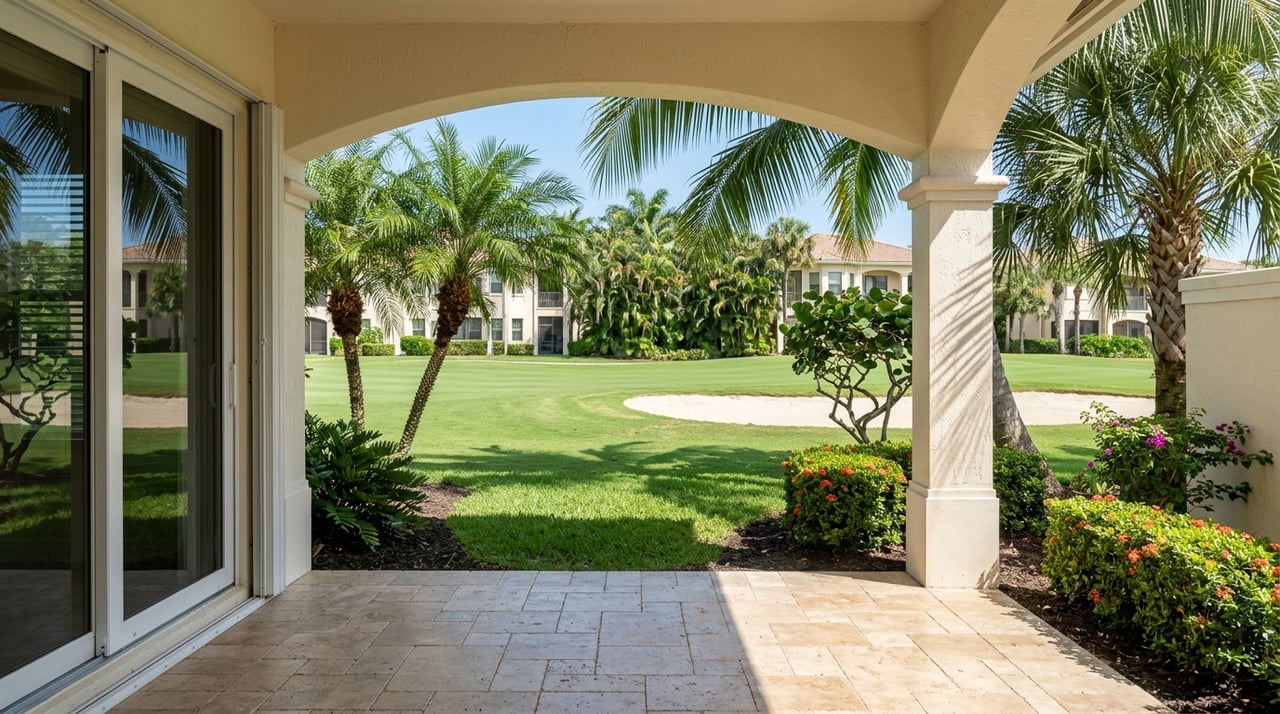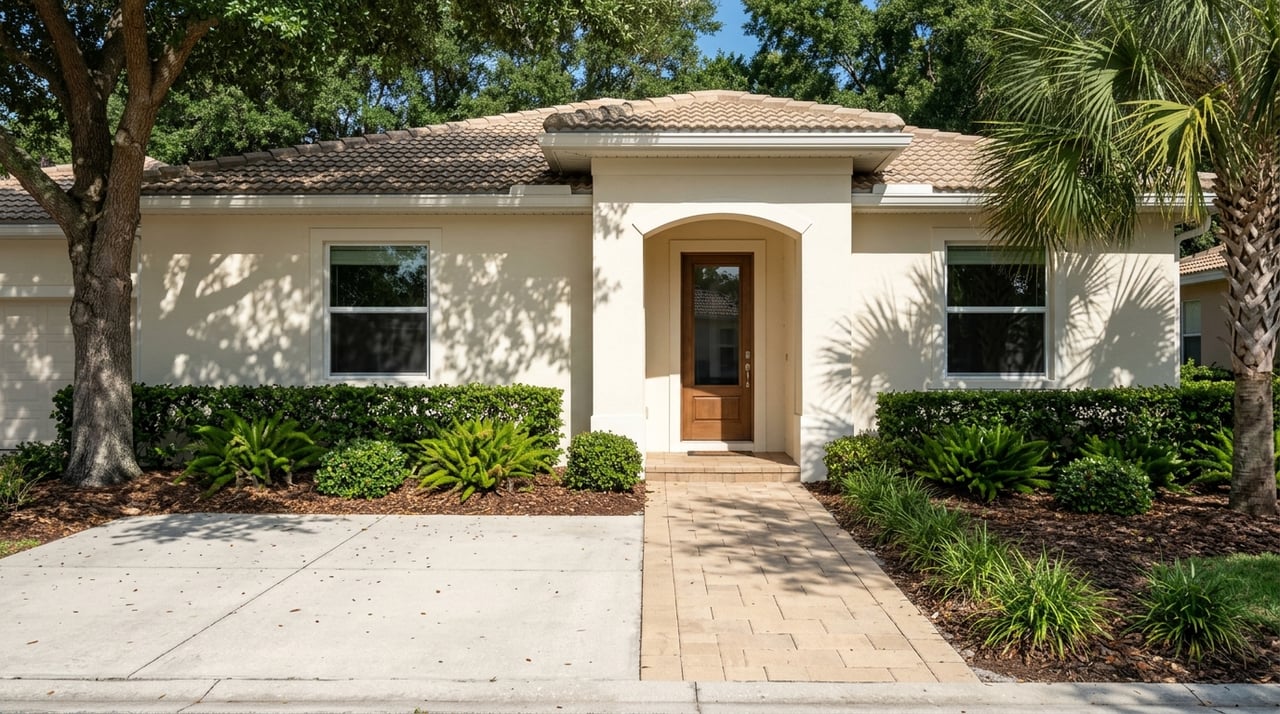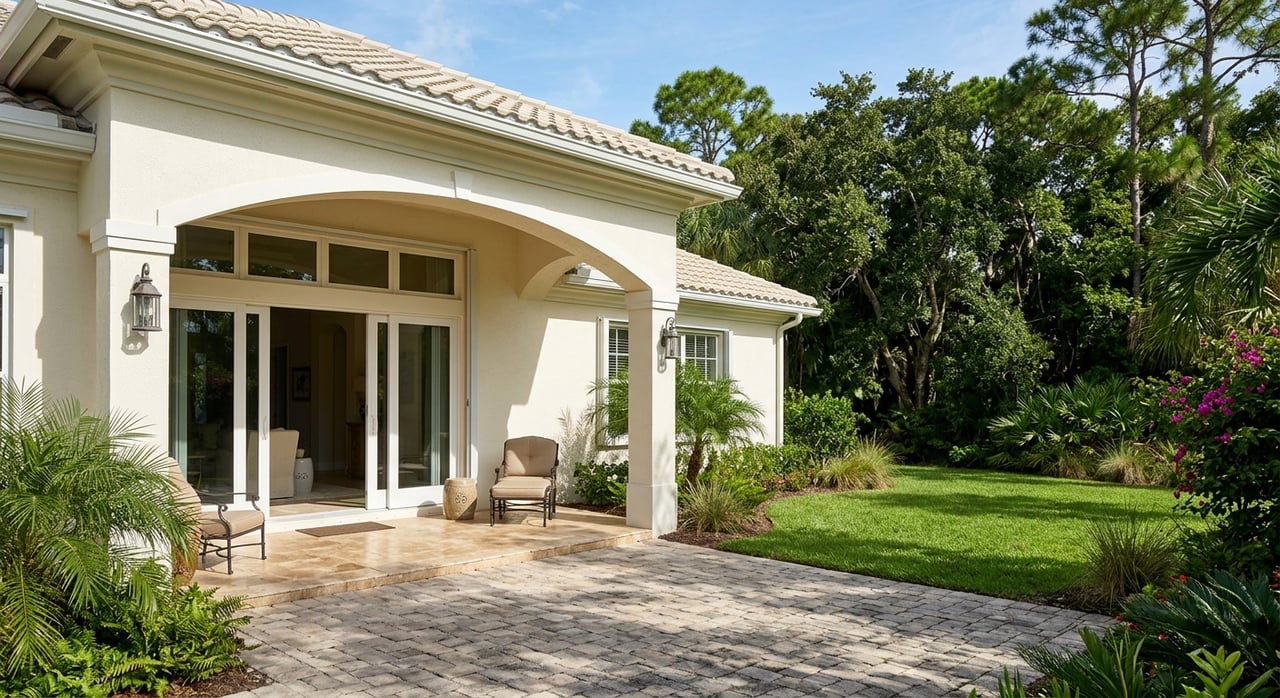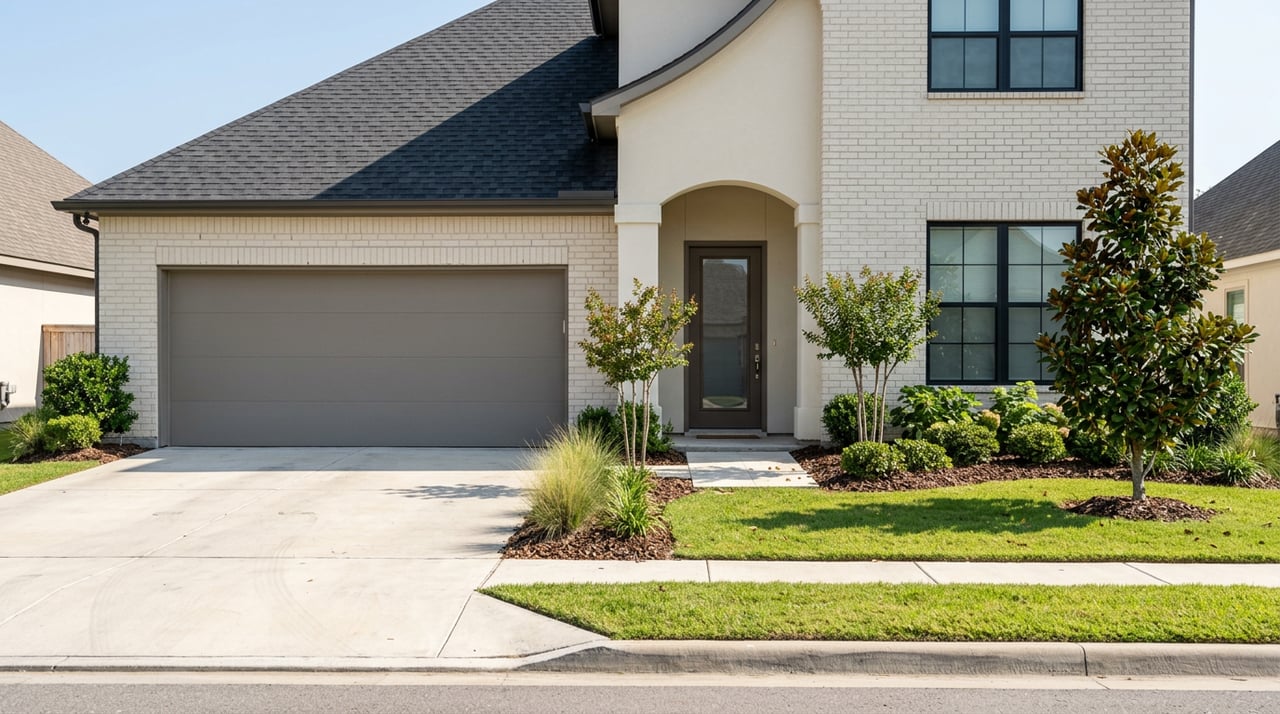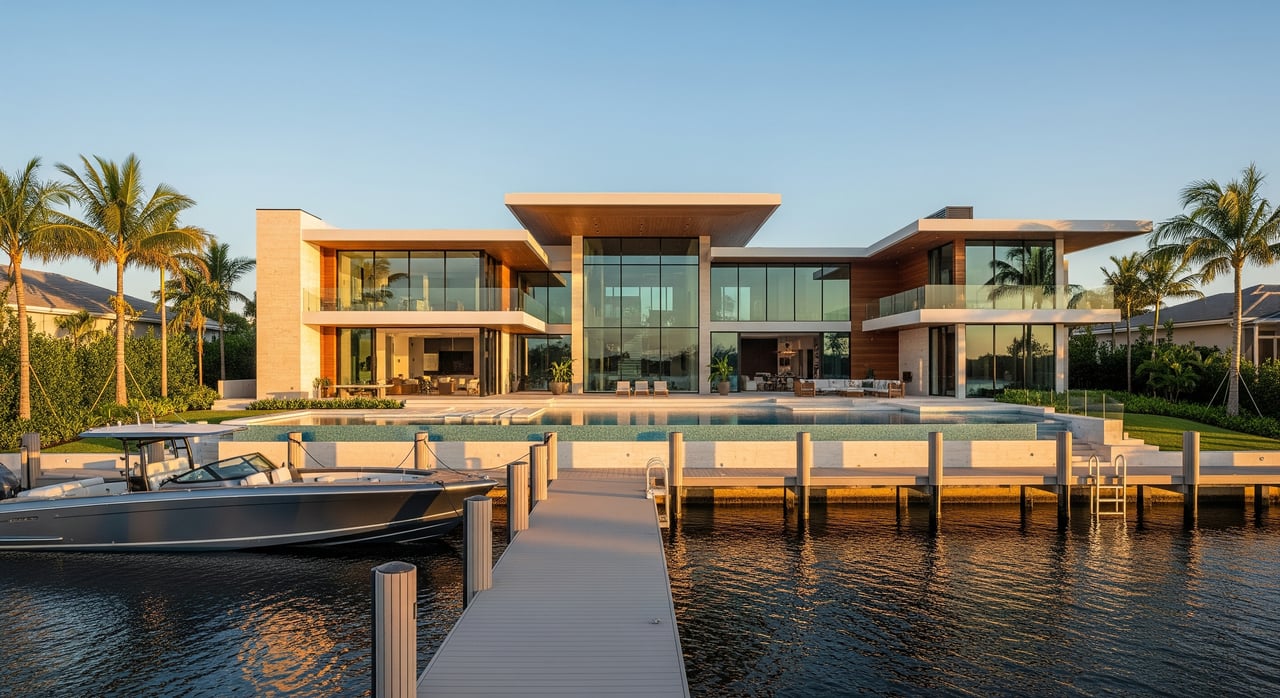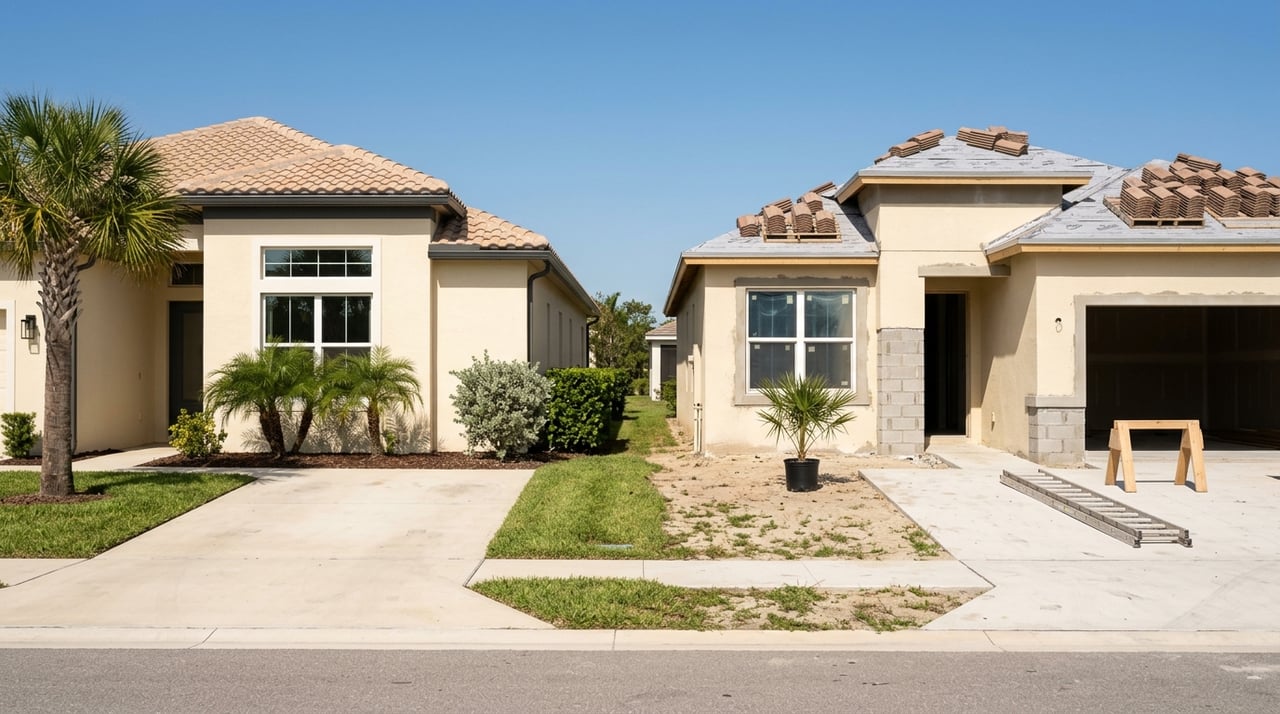
Wondering whether you should build from the ground up or buy an existing home in Burnt Store Lakes? It is a smart question, especially in a community where rules, timing, and costs can shape your experience just as much as the home itself. If you are weighing customization against convenience, this guide will help you compare both paths so you can make a more confident move in Burnt Store Lakes. Let’s dive in.
Burnt Store Lakes at a Glance
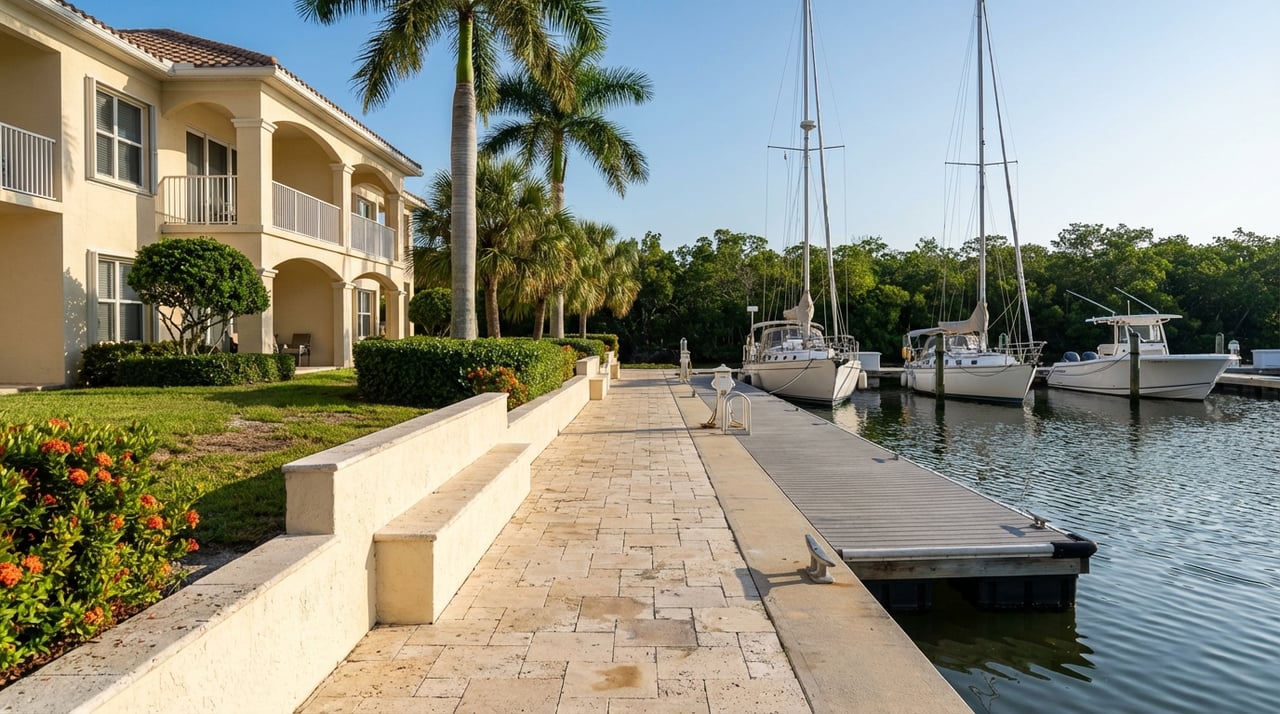
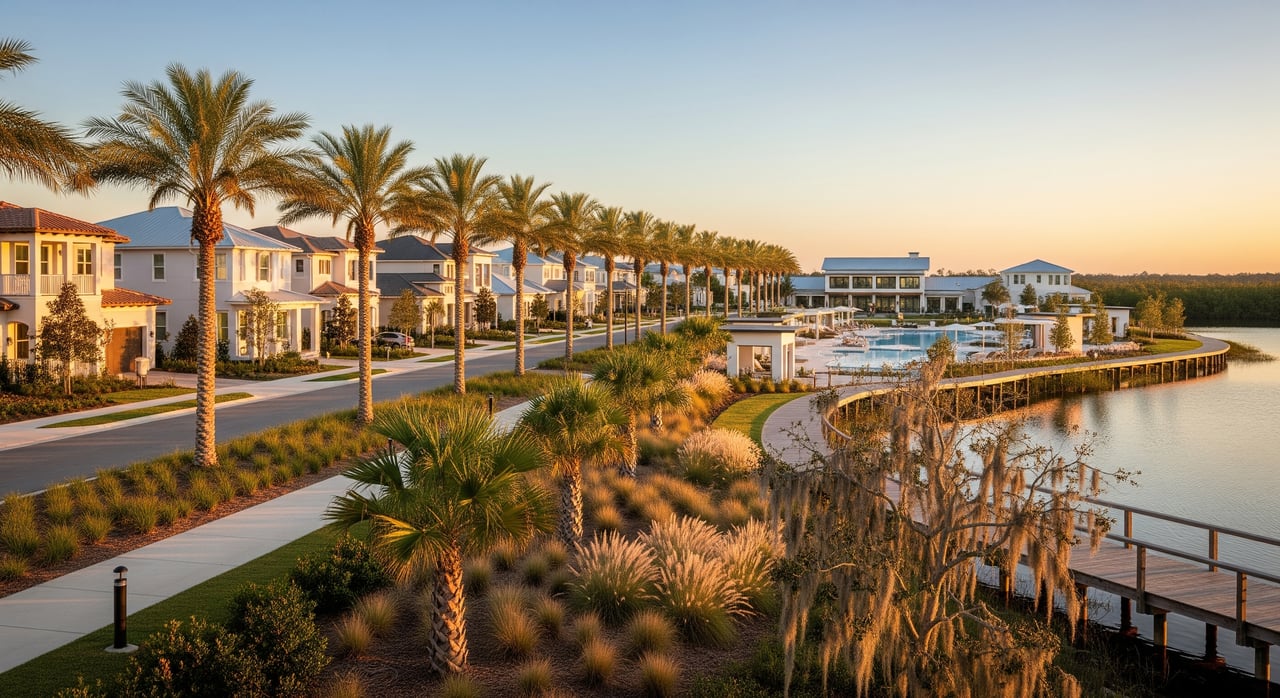
Burnt Store Lakes is a deed-restricted community in Punta Gorda with eleven lakes, a community park on Spoonbill Lake, and a canoe and kayak launch on Bear Branch Creek with access through the mangroves toward Charlotte Harbor. According to the HOA, the community is currently about 40% developed.
That matters if you are deciding between building and buying resale. You are not choosing in a blank-slate setting. You are buying into an established community with active governing documents and a surrounding area that is also part of ongoing county planning.
Why This Choice Matters Here
In some neighborhoods, building on a lot can feel fairly simple. In Burnt Store Lakes, the decision is more layered because both new construction and resale ownership fall under active association rules.
The HOA’s governing documents were recorded in 2021 and amended in 2023 and 2025. That means whether you buy a vacant lot or a finished home, you should expect a structured process and ongoing community standards.
Building a New Home
If your top priority is personalization, building may be the better fit. You can shape your layout, finishes, and site plan around the way you want to live.
That said, building in Burnt Store Lakes is a two-step approval process. You will need HOA Architectural Review Committee approval before county permits are obtained or construction begins.
HOA Approval Comes First
The HOA new-construction packet requires a full set of plans before approval. That packet includes a certified boundary and topographic survey showing setbacks, a drainage plan, a landscape plan, roof and exterior color samples, and any related pool, fence, or irrigation applications.
The HOA also states that the construction packet will not be accepted unless assessments on the property are current. If you are buying a lot with the intention to build soon, this is one of the first details to confirm.
Construction Has Upfront HOA Costs
New construction in Burnt Store Lakes comes with association-level fees and deposits in addition to normal county permit and construction costs. Under the current HOA fee schedule effective February 1, 2026, these include:
- $250 new home construction application fee
- $25,000 builder completion deposit
- $5,000 new home/additions clean-site deposit
- $3,000 pool clean-site deposit
These numbers do not tell you the full cost of building, but they do show that budgeting for a lot purchase alone is not enough. You need to plan for approval and construction-related association expenses too.
Daily Construction Rules Affect the Process
Building here is not just about plans and permits. It also comes with on-site rules intended to protect the neighborhood during construction.
Contractor guidelines restrict noisy work from 6:00 p.m. to 8:00 a.m. Parking or driving on greenbelts and rights-of-way is prohibited. Dirt piles must be protected with silt fencing, and dumpsters, portable toilets, and similar items must stay on the actual construction site.
For some buyers, that structure is reassuring. For others, it is a reminder that building in Burnt Store Lakes is a managed process, not a free-form project.
County Permitting Adds Another Layer
After HOA approval, the next step is Charlotte County permitting. The county’s single-family permitting guide says you should contact zoning to confirm setback requirements, impact fees, and any special conditions tied to the property.
If the home will use septic, a septic permit is required before the building permit submission. The county also requires a recorded Notice of Commencement before the first inspection.
Permit Timing Is Only One Part
Charlotte County’s published timeframe for the week of June 29, 2026 shows an average review time of 6 business days for new single-family residences and additions. The county notes that these timeframes are estimates, not guarantees.
That review period does not represent the full construction timeline. It simply shows that even before work begins, there is a formal approval clock to account for.
Closeout Takes More Steps
A new build also has a finish line that resale does not. Before a Certificate of Occupancy is issued, the county says a new one- or two-family dwelling may require outstanding fee payment, a final elevation certificate in certain flood zones, a final as-built drainage survey, a blower door test report, and a final termite treatment certificate.
This is one reason new construction usually takes more time and coordination than resale. There are simply more steps from start to finish.
Buying Resale in Burnt Store Lakes
If speed, clarity, and convenience matter most, resale may be the better path. Instead of waiting through approvals, construction, inspections, and closeout, you can evaluate the actual home, lot setting, and finished landscaping right away.
That is especially useful in a community that is already partly built out. You can see how a home sits within the existing neighborhood rather than trying to picture the final result from plans alone.
Resale Gives You More Certainty
With an existing home, you are able to judge the finished product now. You can assess room flow, natural light, lot placement, and outdoor space without the unknowns that often come with a vacant lot and future build schedule.
For many buyers, that certainty lowers stress. It can also make it easier to compare one property against another in a practical way.
Resale Still Has HOA Costs
Buying resale does not mean skipping association paperwork. The current HOA fee schedule lists a $299 normal estoppel fee and a $750 capital resale assessment paid by the buyer.
So while resale is usually simpler than building, it is not cost-free at closing. Those charges should still be part of your purchase planning.
Deed Restrictions Still Apply
A resale home may be move-in ready, but it is still part of a deed-restricted community. The HOA states that deed restrictions bind future owners.
That means you should review the community documents carefully whether you are buying a lot or an existing home. The process may be different, but the ownership obligations still matter.
Build vs. Resale
Here is the simplest way to think about it in Burnt Store Lakes.
| If you value... | Building may fit better | Resale may fit better |
|---|---|---|
| Custom layout and finishes | Yes | No |
| Faster move-in timeline | No | Yes |
| Seeing the final product now | No | Yes |
| Managing approvals and construction steps | Yes, if comfortable | Usually less involved |
| More predictable day-one living experience | Less predictable upfront | More predictable |
Neither option is automatically better. The right answer depends on what matters most to you.
Questions to Ask Before You Decide
Before you commit to either path, it helps to slow down and review a few basics.
If You Are Considering a Lot
Ask these questions early:
- What are the setback requirements for this parcel?
- Are there any special zoning or property conditions?
- Will the home use septic?
- What HOA approvals and deposits will apply?
- What is your realistic timeline from approval to completion?
If You Are Considering a Resale Home
Focus on these:
- What are the current HOA transfer-related costs?
- Have you reviewed the deed restrictions and community rules?
- Does the home’s lot setting and layout work for your needs today?
- Are you comfortable with the existing finishes and landscaping?
Which Option Fits Your Goals?
If you want a home designed around your exact preferences and you are comfortable with a more involved process, building can be a strong choice in Burnt Store Lakes. You just need to go in with clear expectations about approvals, deposits, permitting, and timeline.
If you want to simplify the path, see the finished home before you buy, and move forward with more certainty, resale often makes more sense. In a community that is already 40% developed, that can be a practical advantage.
The best move is usually the one that matches your timeline, budget structure, and comfort level with process. If you want local guidance as you compare lots and existing homes in Burnt Store Lakes, connect with Jennifer & Philip Taberski for clear, practical insight tailored to your goals.
FAQs
Is Burnt Store Lakes a deed-restricted community?
- Yes. Burnt Store Lakes is a deed-restricted community, and both lot owners and resale buyers are subject to active HOA rules and governing documents.
What approvals are needed to build a home in Burnt Store Lakes?
- Building requires HOA Architectural Review Committee approval before Charlotte County permits are obtained or construction begins.
What HOA costs come with new construction in Burnt Store Lakes?
- The current HOA fee schedule lists a $250 new home construction application fee, a $25,000 builder completion deposit, a $5,000 new home/additions clean-site deposit, and a $3,000 pool clean-site deposit.
What buyer costs come with a resale purchase in Burnt Store Lakes?
- The current HOA fee schedule lists a $299 normal estoppel fee and a $750 capital resale assessment paid by the buyer.
Why might buying resale be easier than building in Burnt Store Lakes?
- Resale usually removes the HOA construction approval process, county permit review, inspections, and Certificate of Occupancy closeout, letting you evaluate the finished home and lot immediately.
What should you verify before building on a lot in Burnt Store Lakes?
- You should confirm setbacks, utility and septic needs where applicable, impact fees, any special property conditions with Charlotte County zoning, and the applicable HOA rules and approvals before committing.