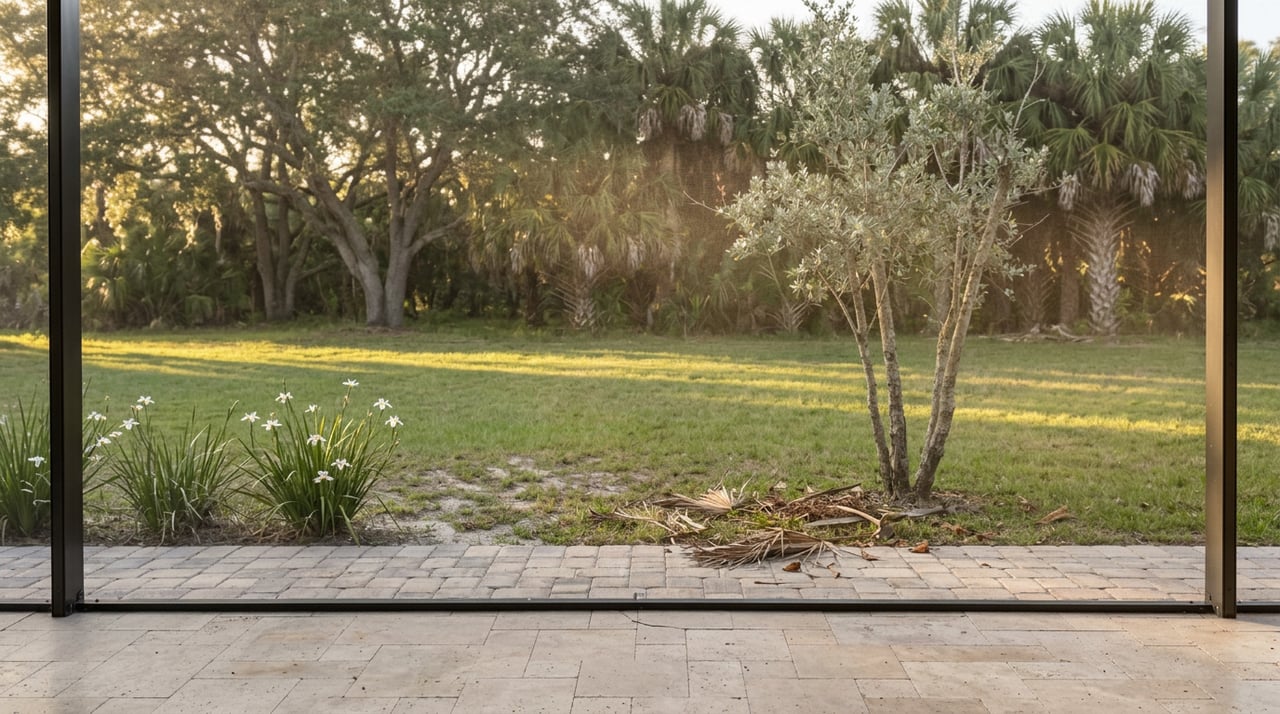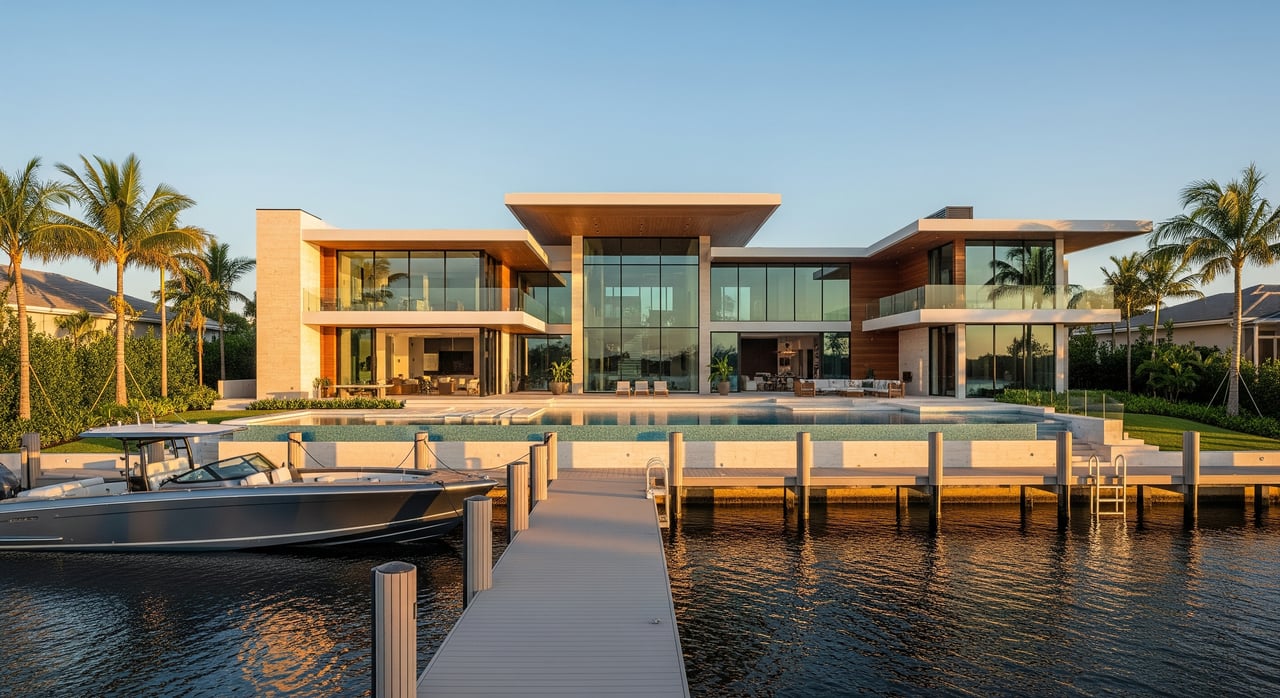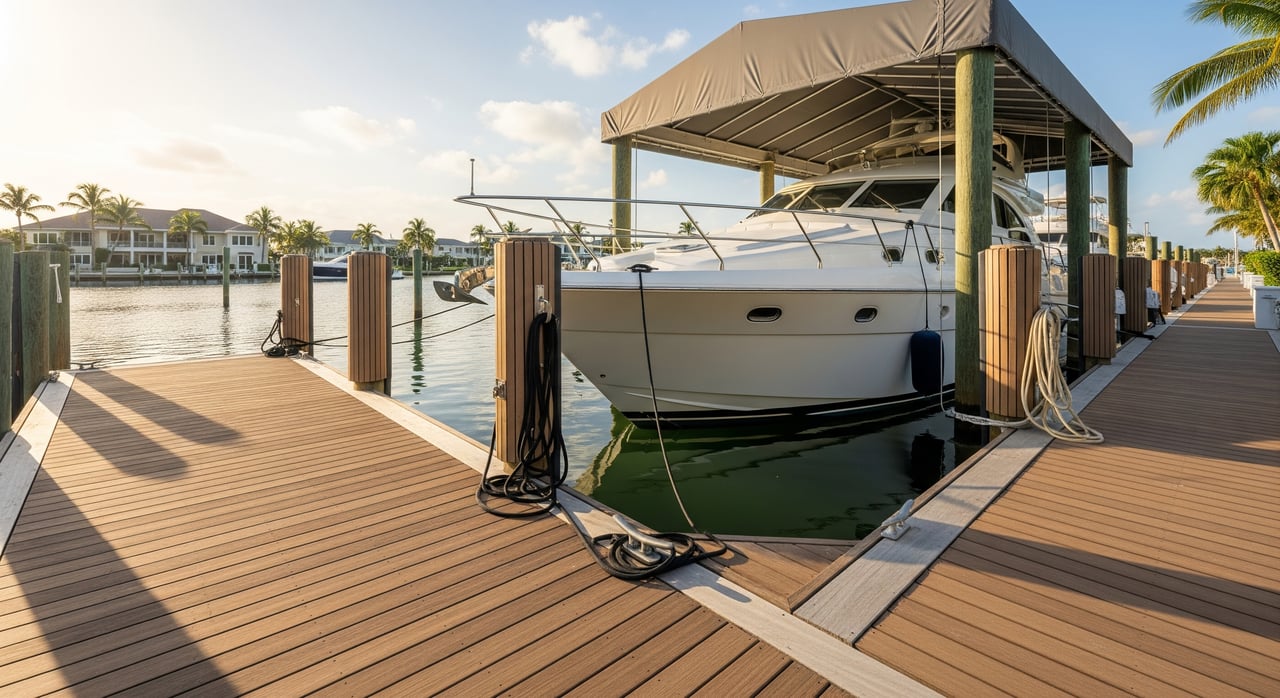
Are you trying to decide whether Heritage Landing makes more sense as a seasonal getaway or your full-time home base? That is a smart question, especially now that the new-construction side is sold out and most buyers are looking at resales in Punta Gorda’s 33955 area. If you understand the home types, amenity structure, and membership rules before you buy, you can avoid surprises and choose a property that truly fits how you plan to live. Let’s dive in.
Why Heritage Landing Stands Out
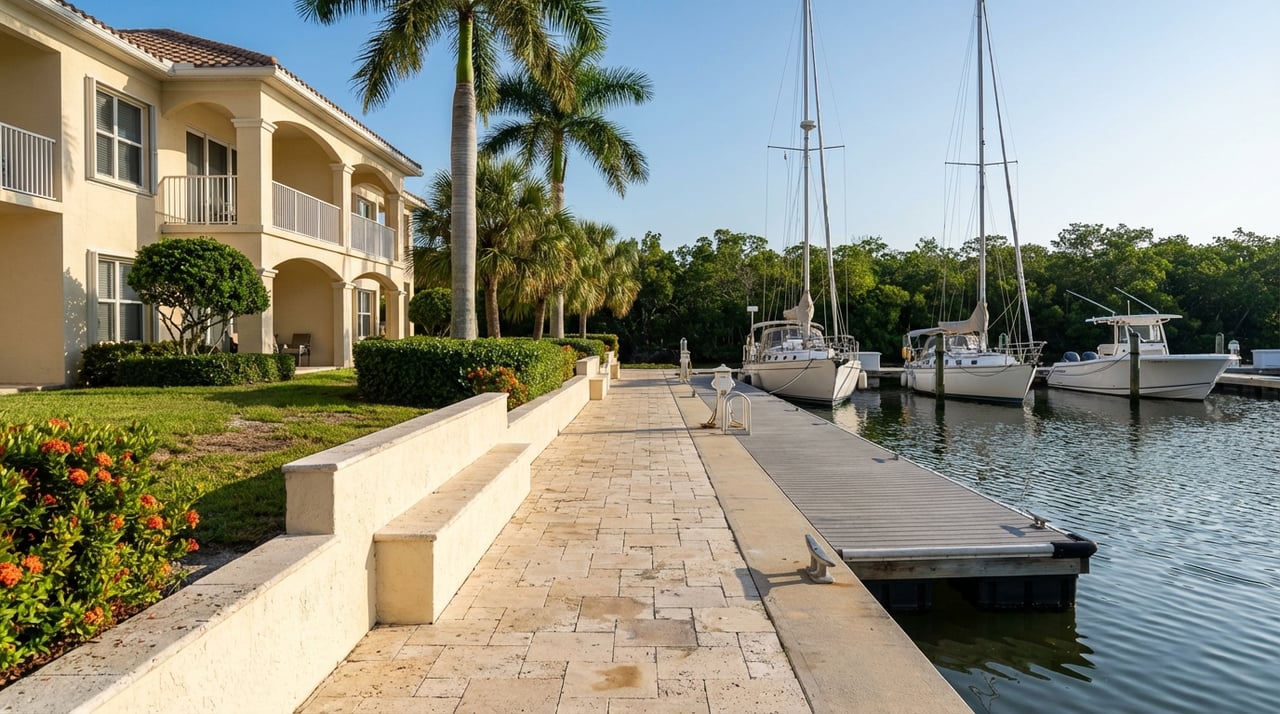
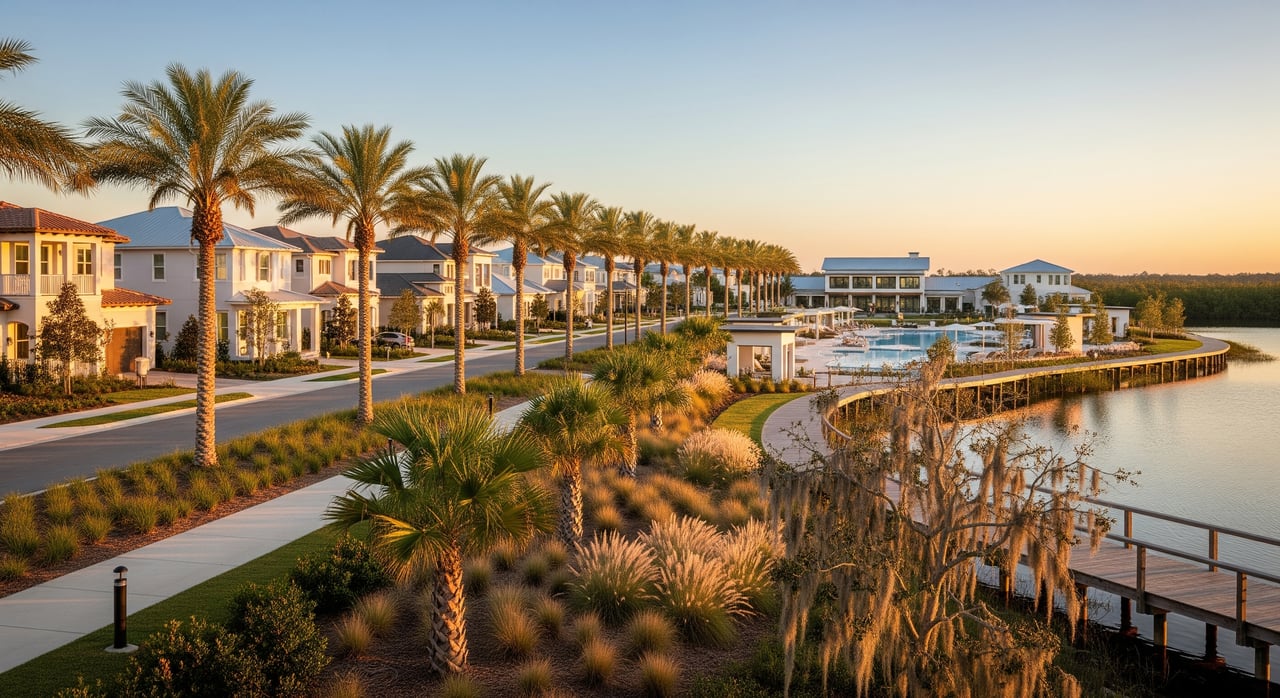
Heritage Landing is a gated, master-planned golf and country club community along Burnt Store Road in Punta Gorda. Public materials place it about five miles south of US 41, with access to shopping, dining, medical services, Charlotte Harbor, and nearby preserve areas.
What makes this community different is that it is built around an amenity-driven lifestyle, not just homes. Golf, racquet sports, dining, fitness, and wellness are central to day-to-day ownership here.
What Buyers Need to Know in 2026
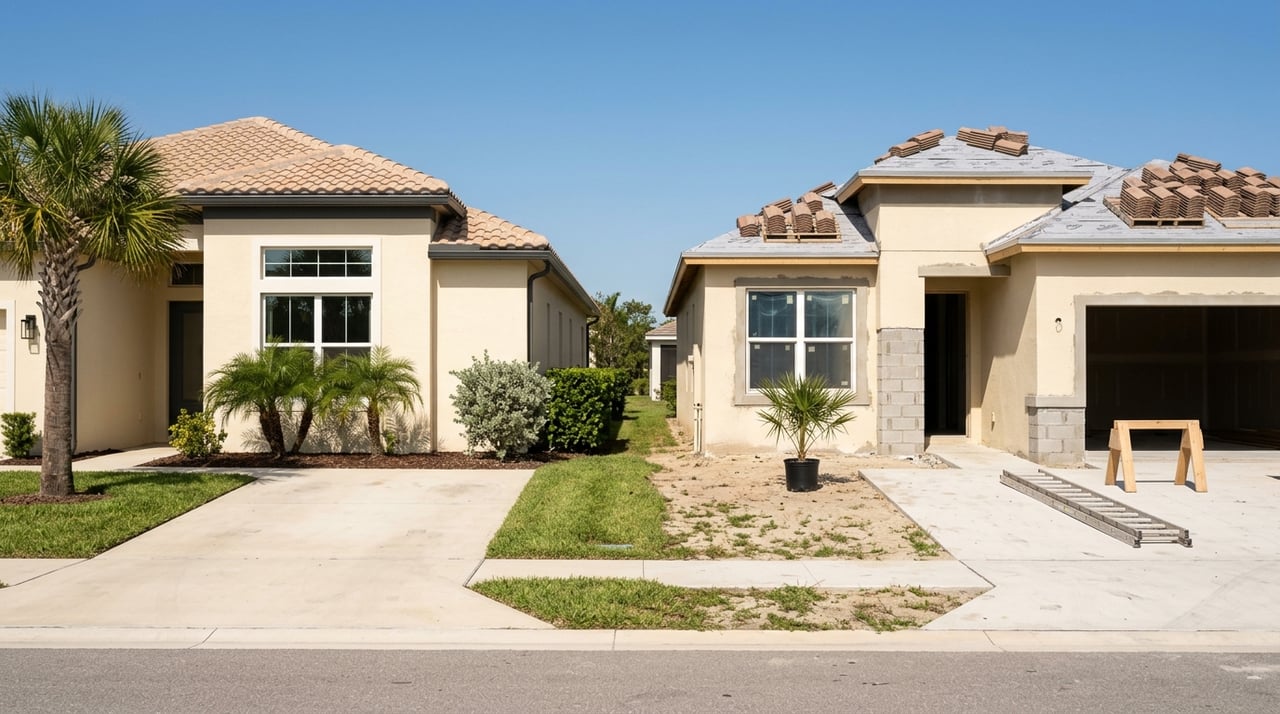
Lennar’s current community page shows the new-home side of Heritage Landing as sold out. For you as a buyer, that shifts the focus to resale inventory, section-specific fees, and the details of what club privileges transfer with a particular property.
That means two homes in the same community may not offer the exact same ownership experience. Your due diligence should go beyond price and floor plan to include club access, HOA structure, rental rules, and any section-specific obligations.
Home Types in Heritage Landing
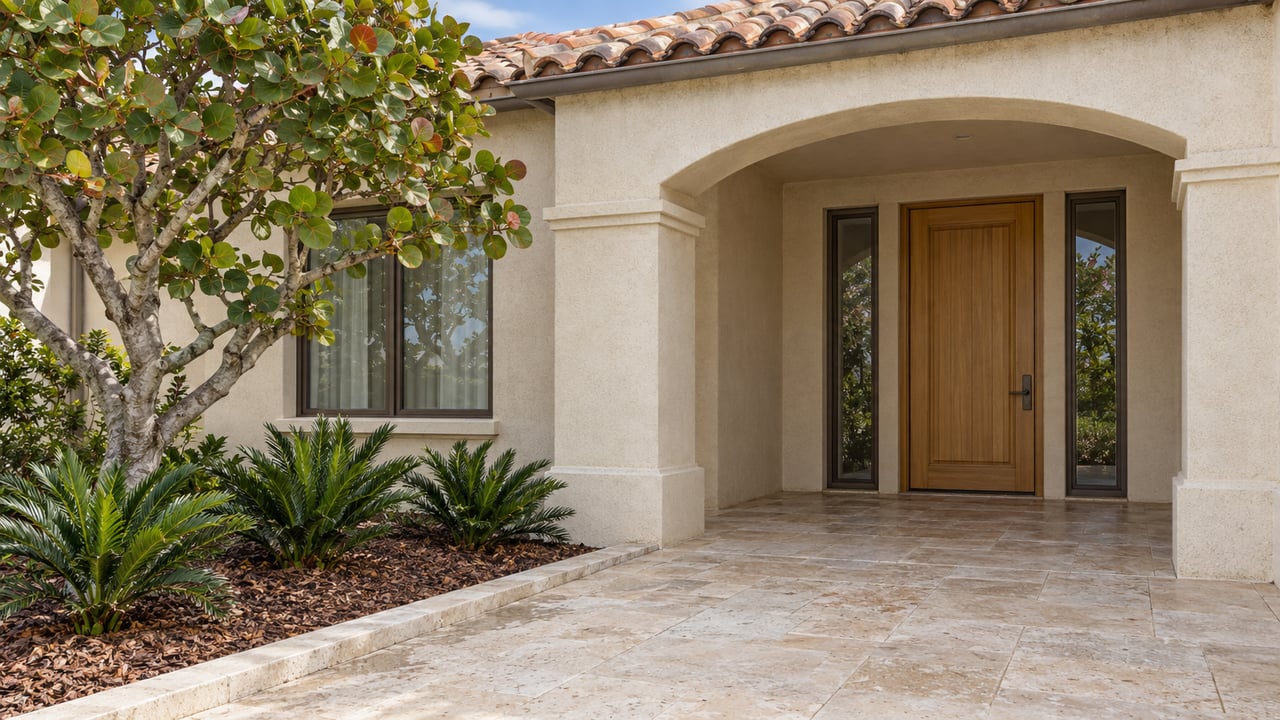
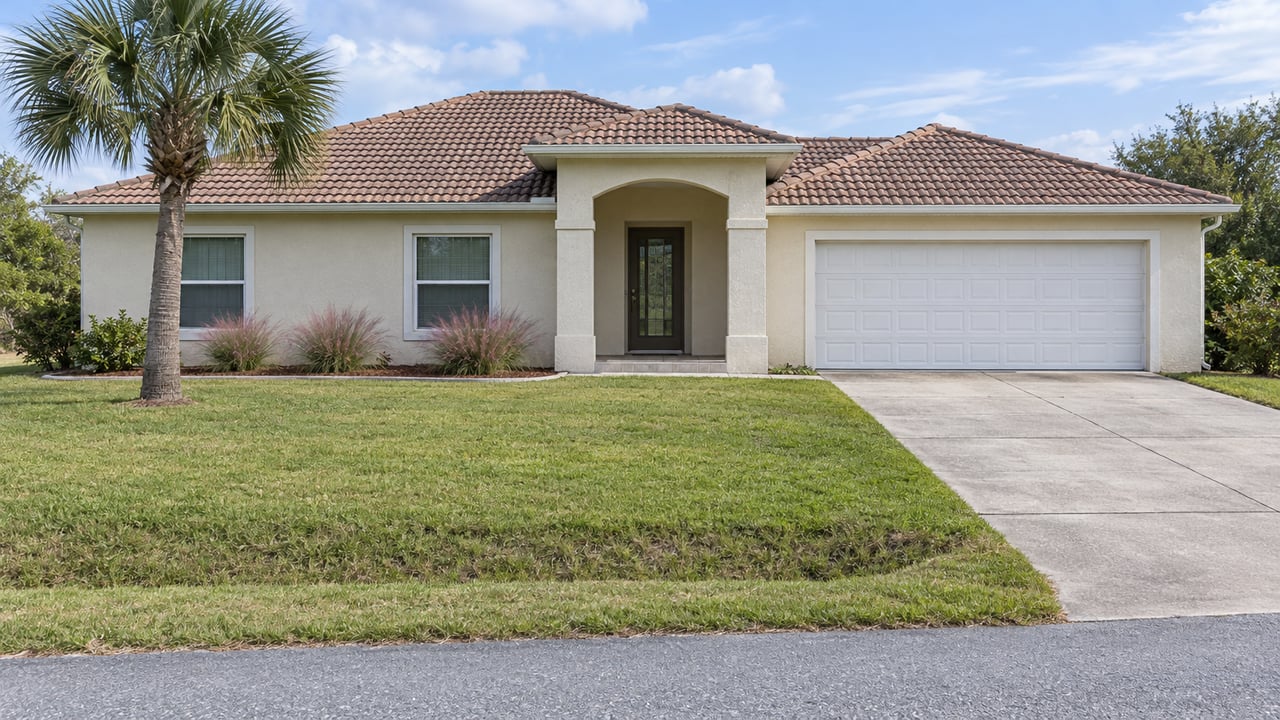
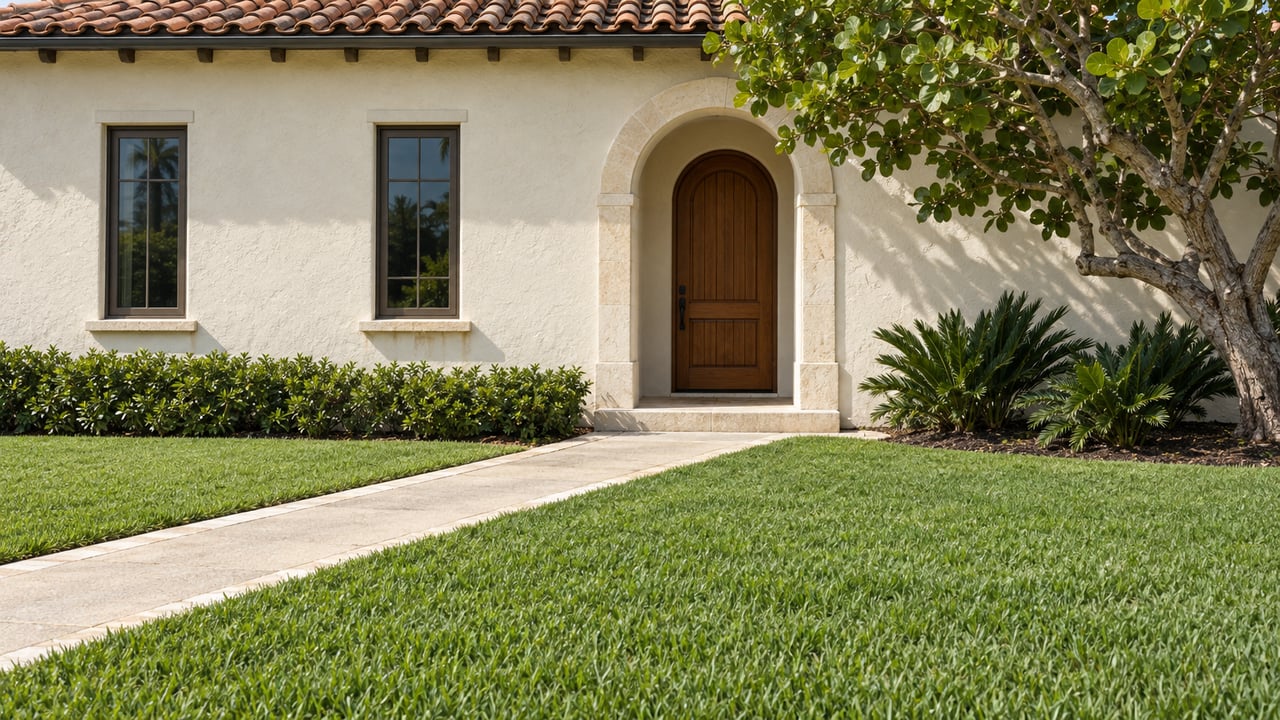
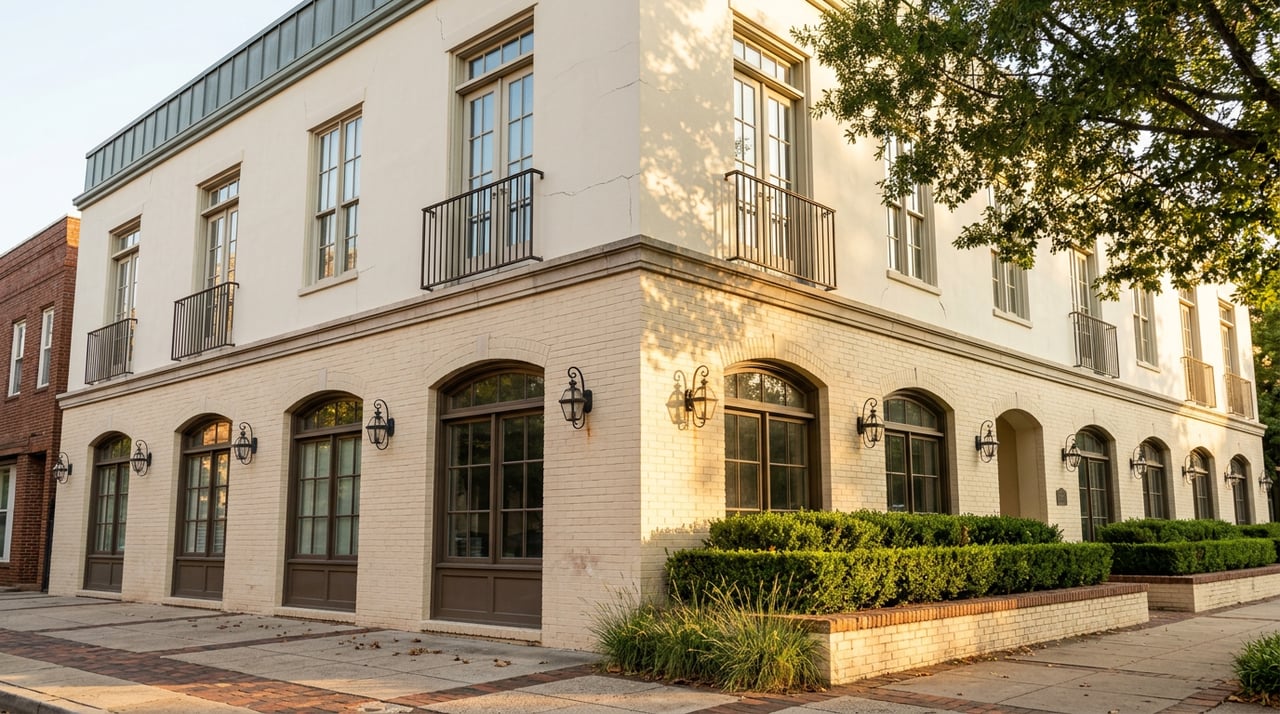
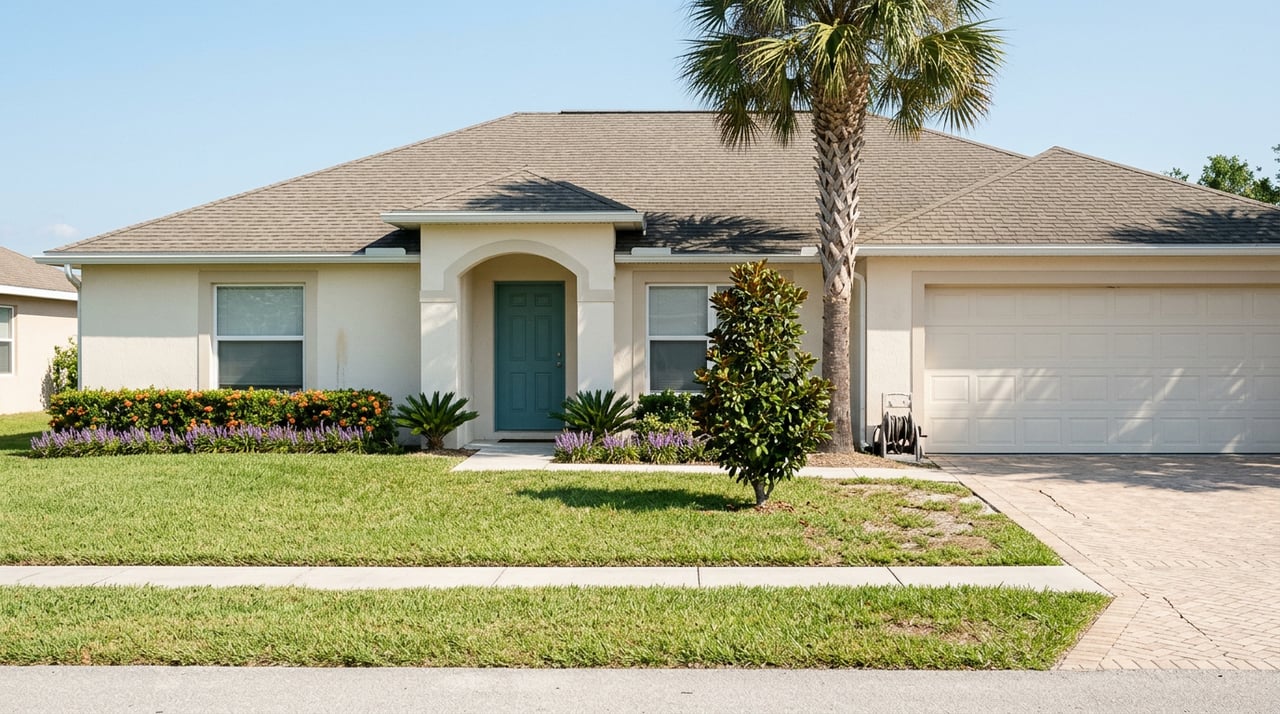
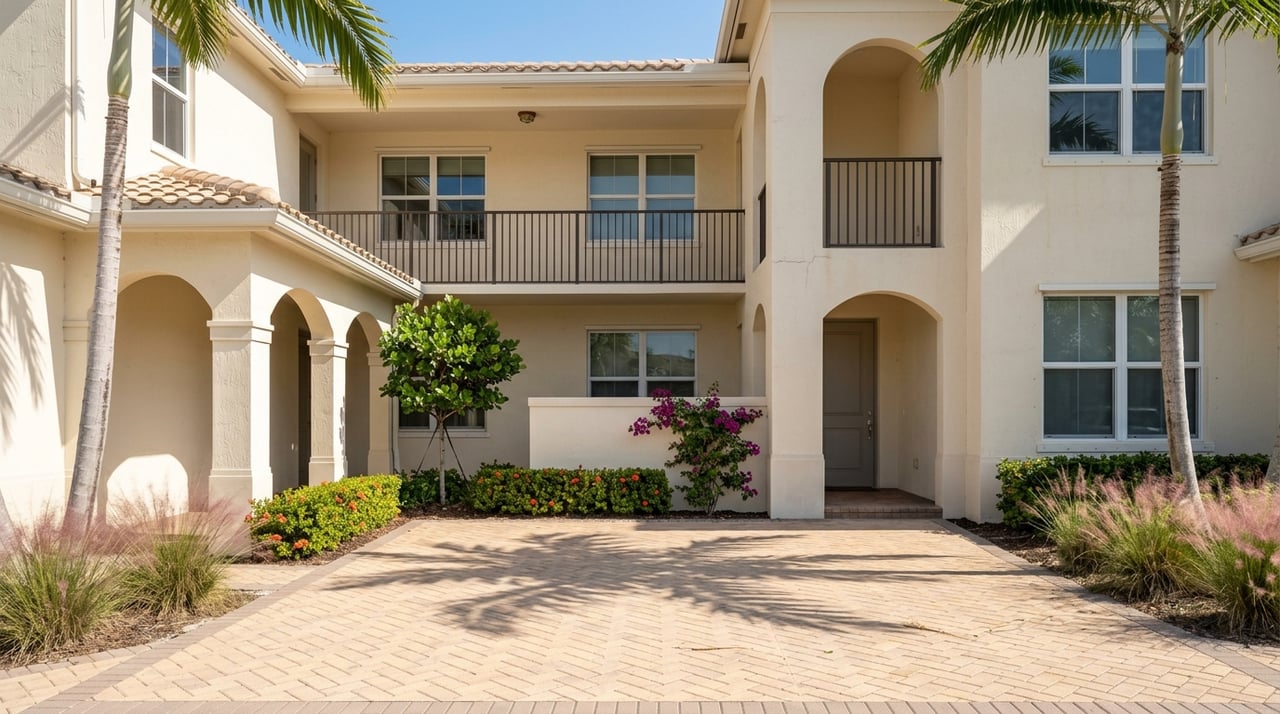
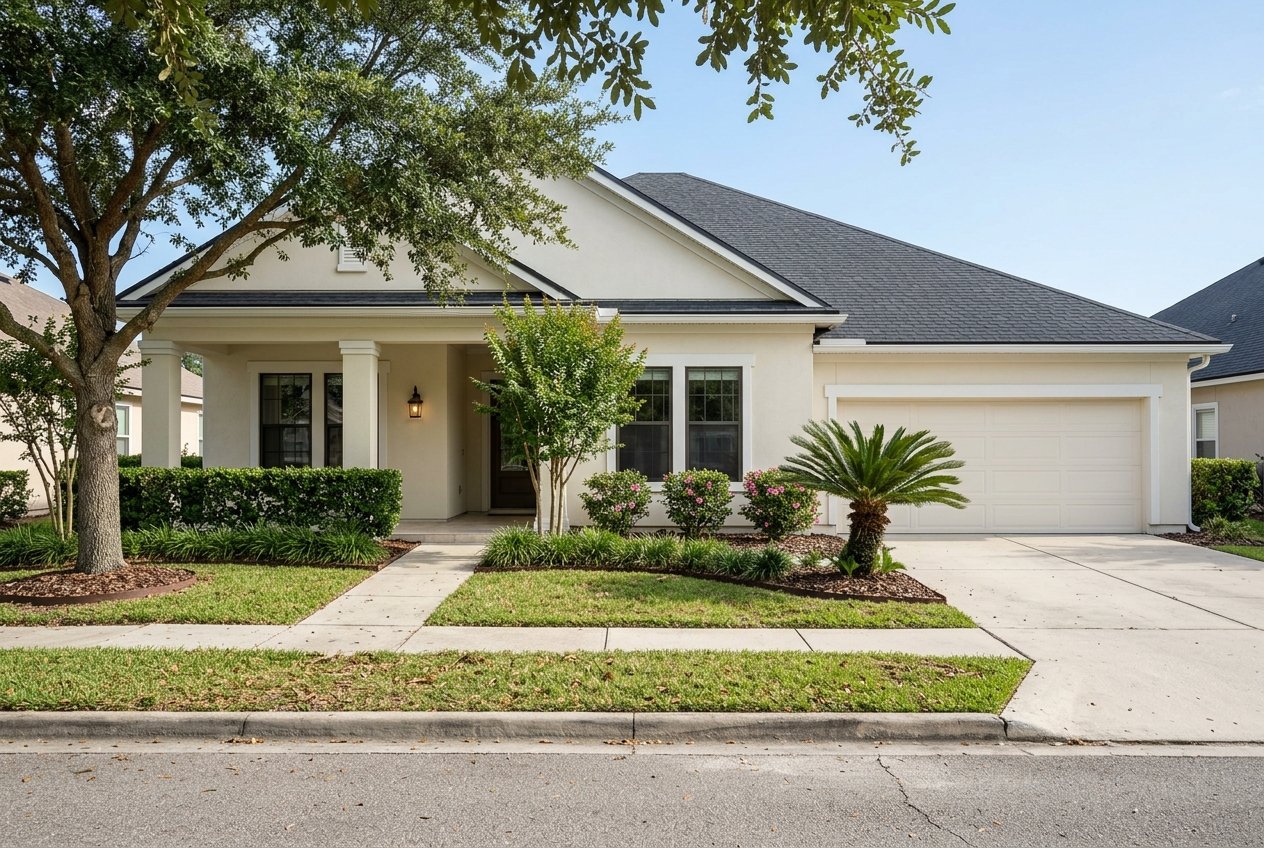
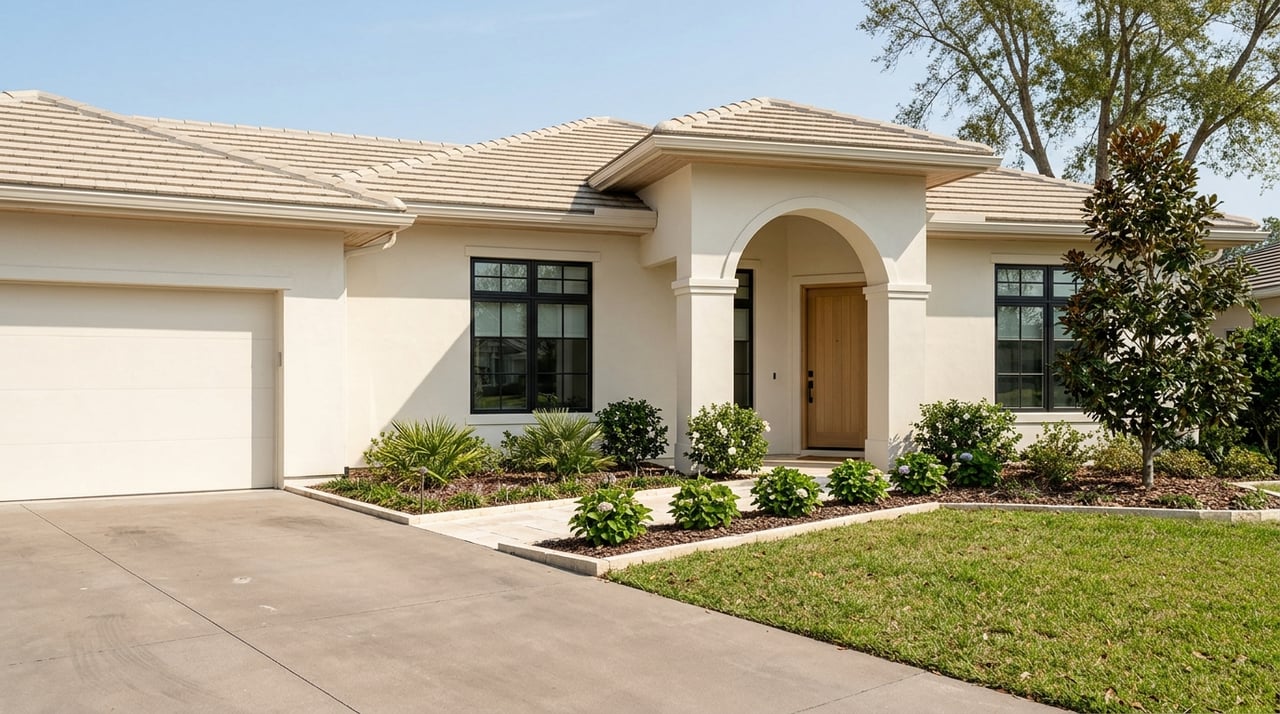
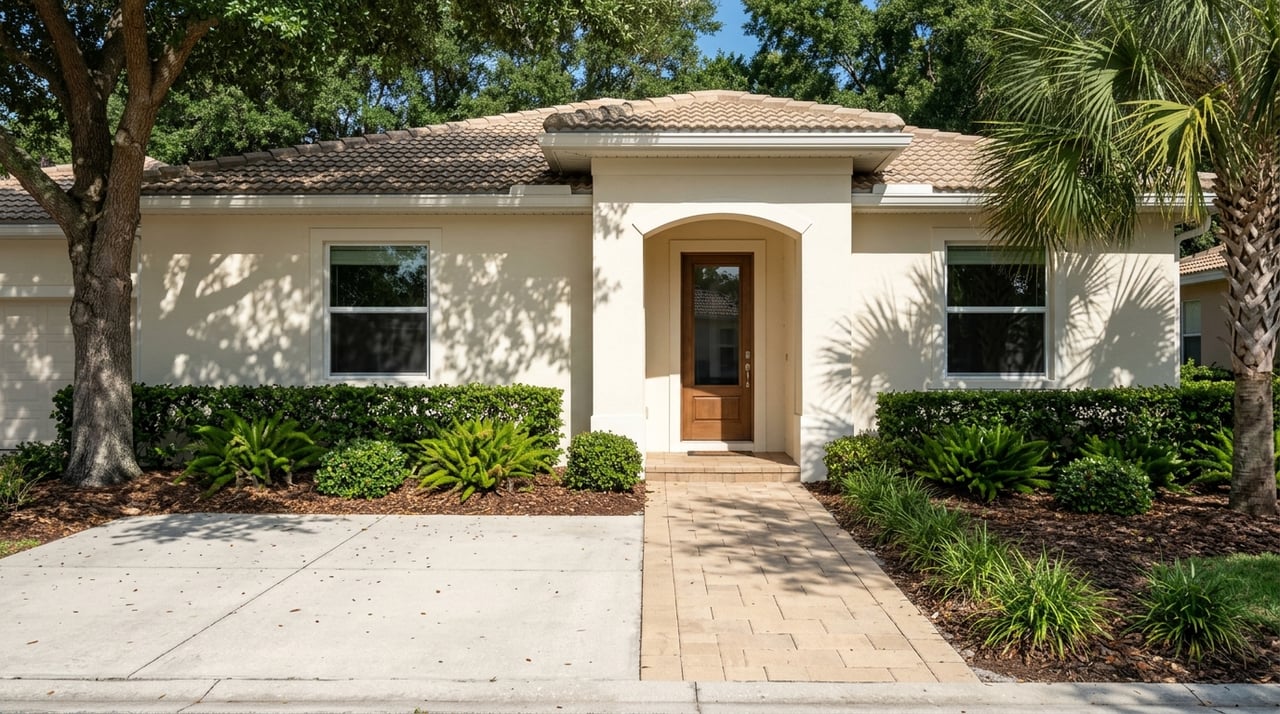
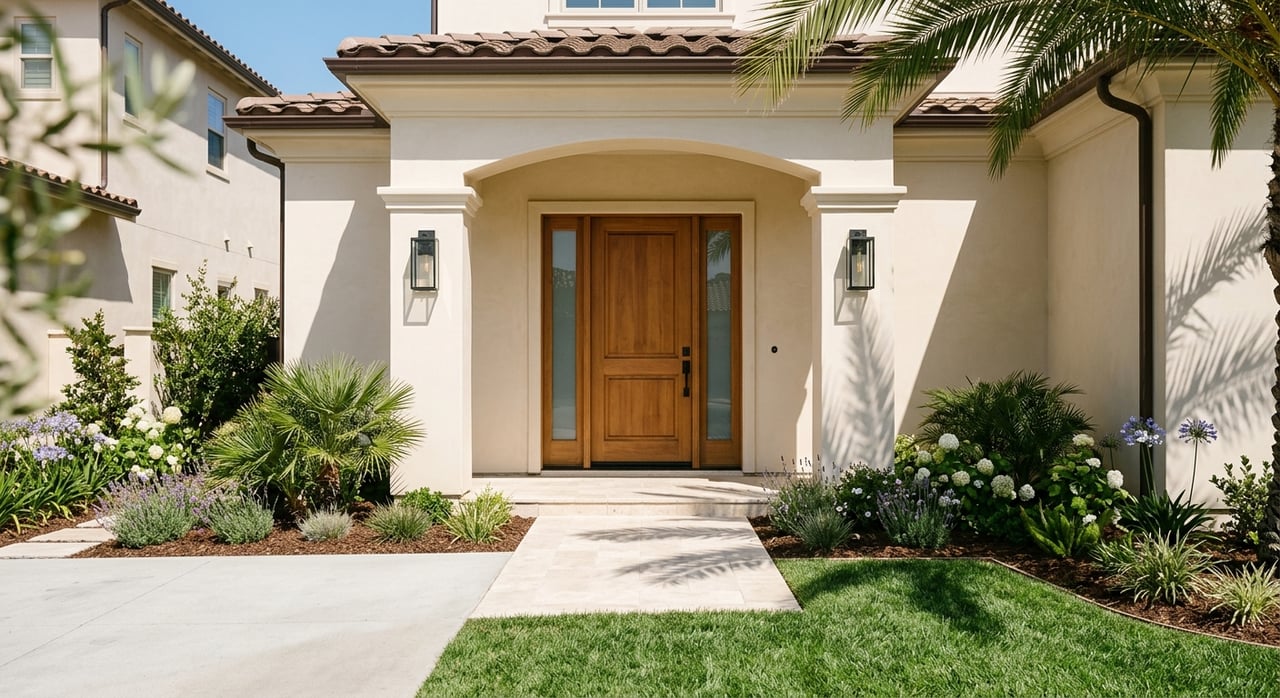
Heritage Landing has been marketed with a broad mix of housing options. Public Lennar materials describe terrace condominiums, veranda condominiums, coach homes, executive homes, estate homes, and manor-style homes.
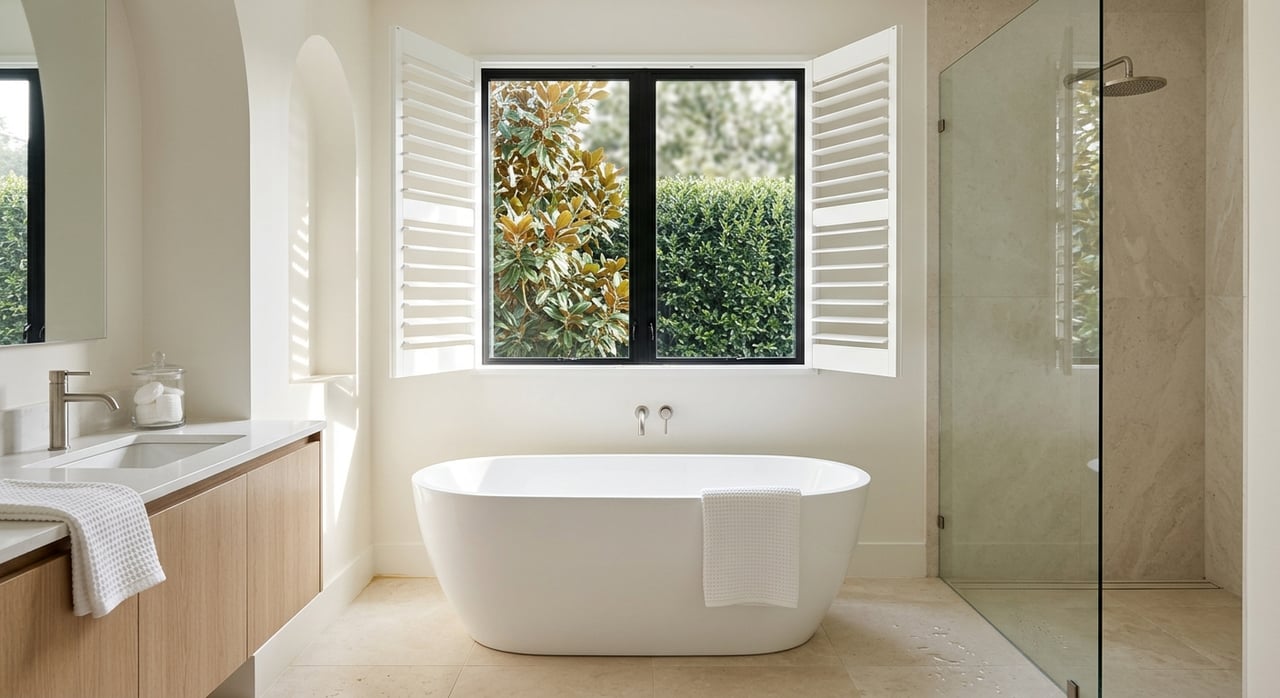
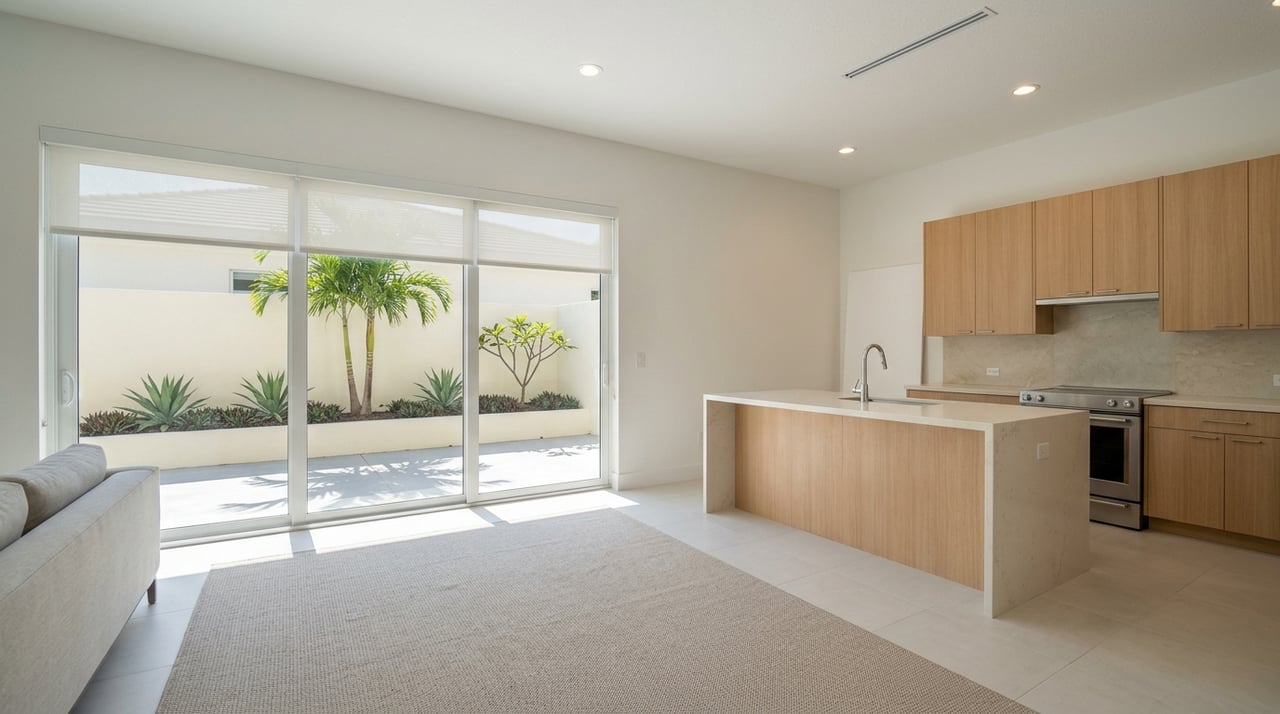
At launch, homes ranged from about 1,120 to 3,332 square feet, with two to five bedrooms and two to five bathrooms. That wide product mix gives you options whether you want a low-maintenance seasonal property or a larger year-round residence.
Condos and Coach Homes
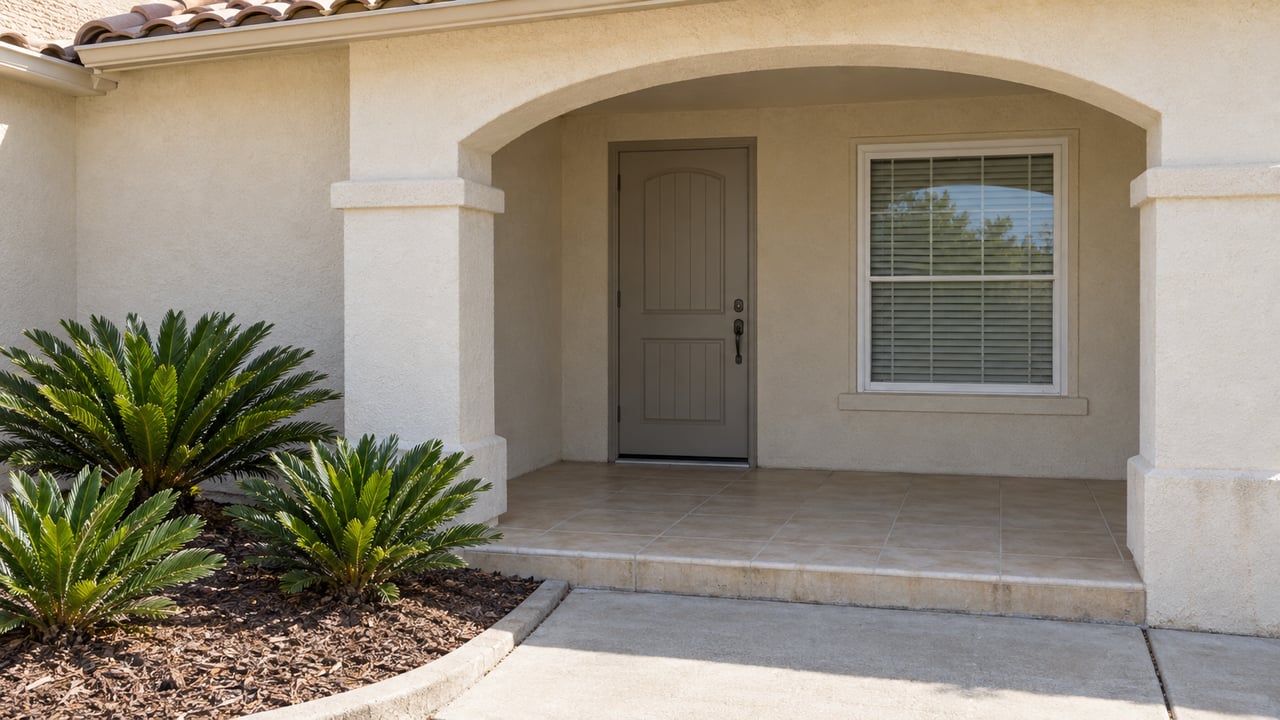
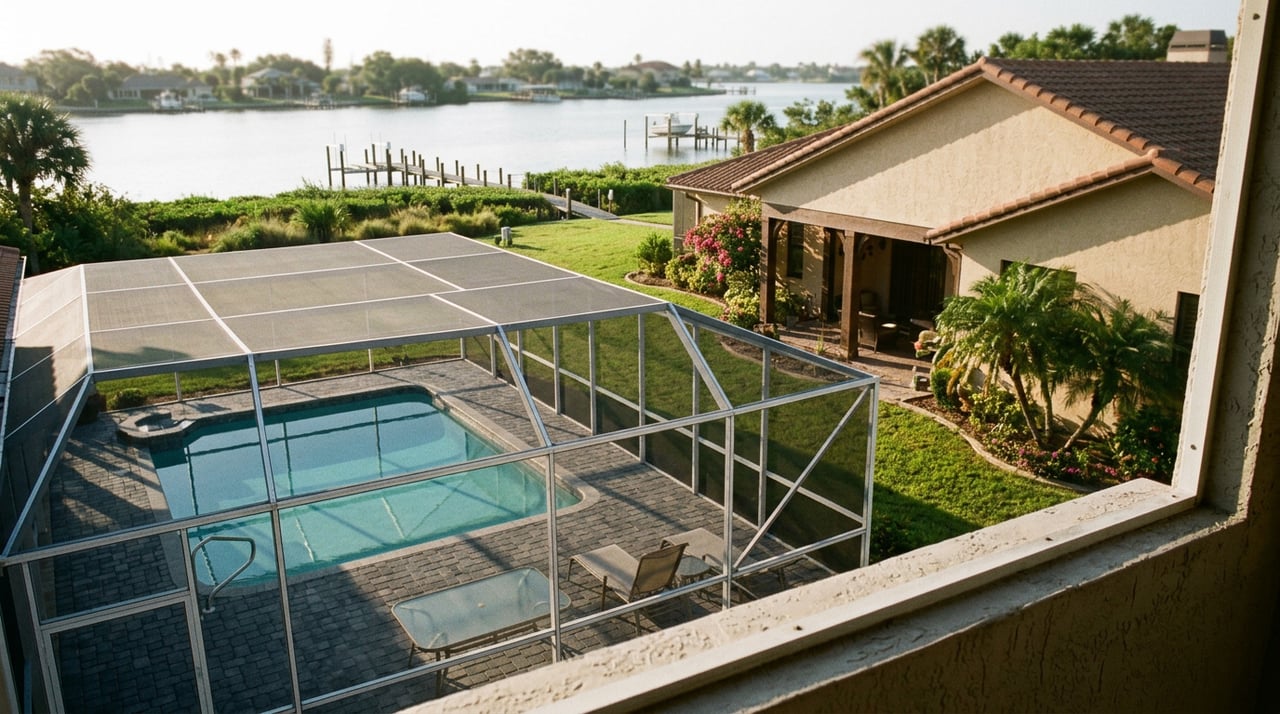
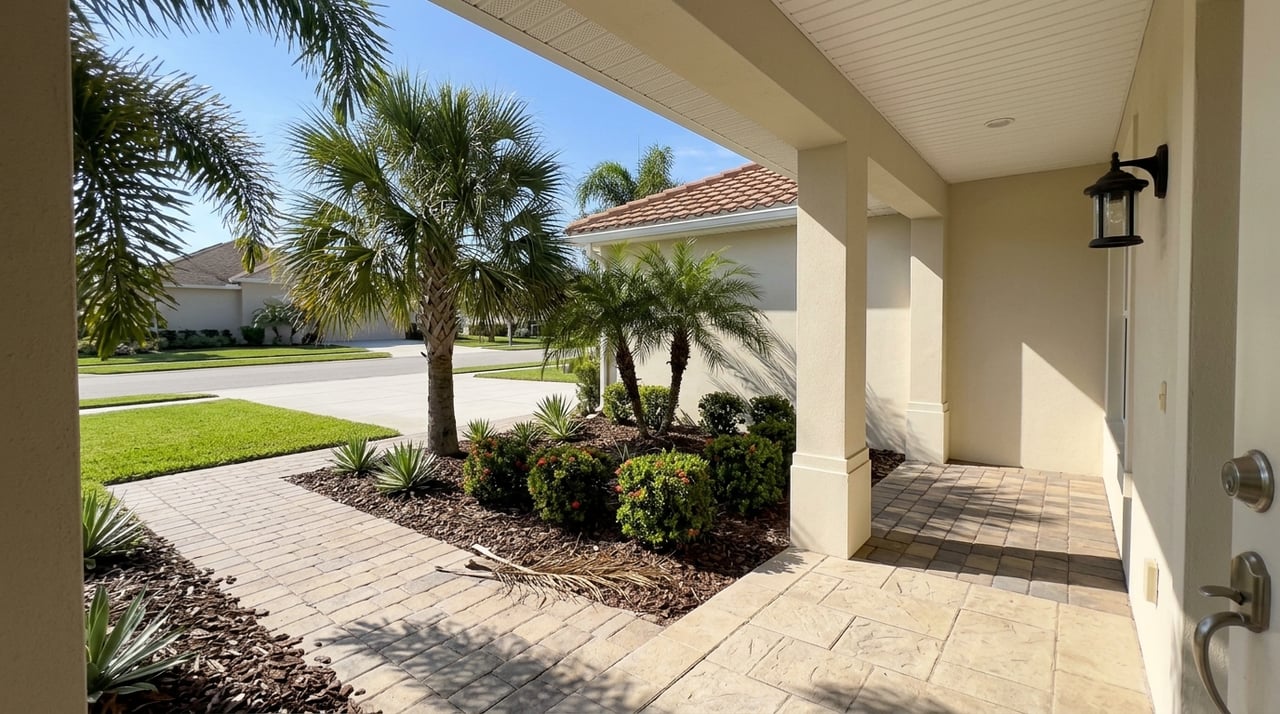
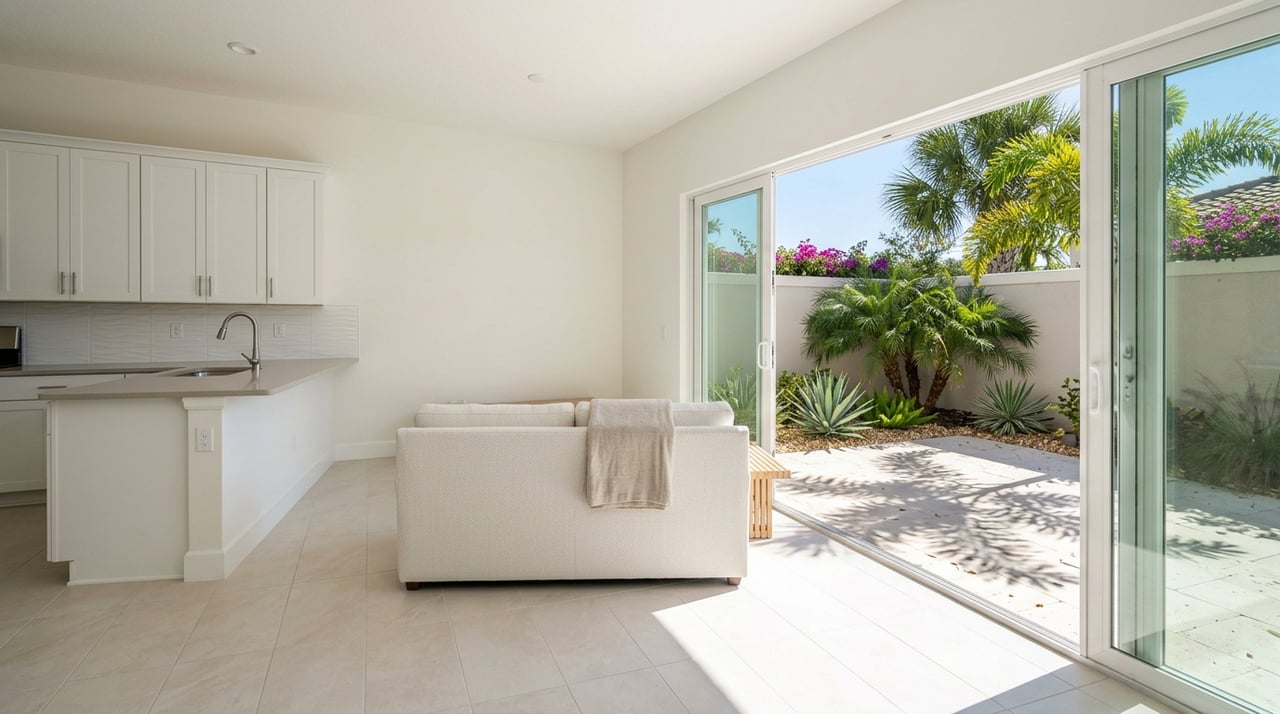
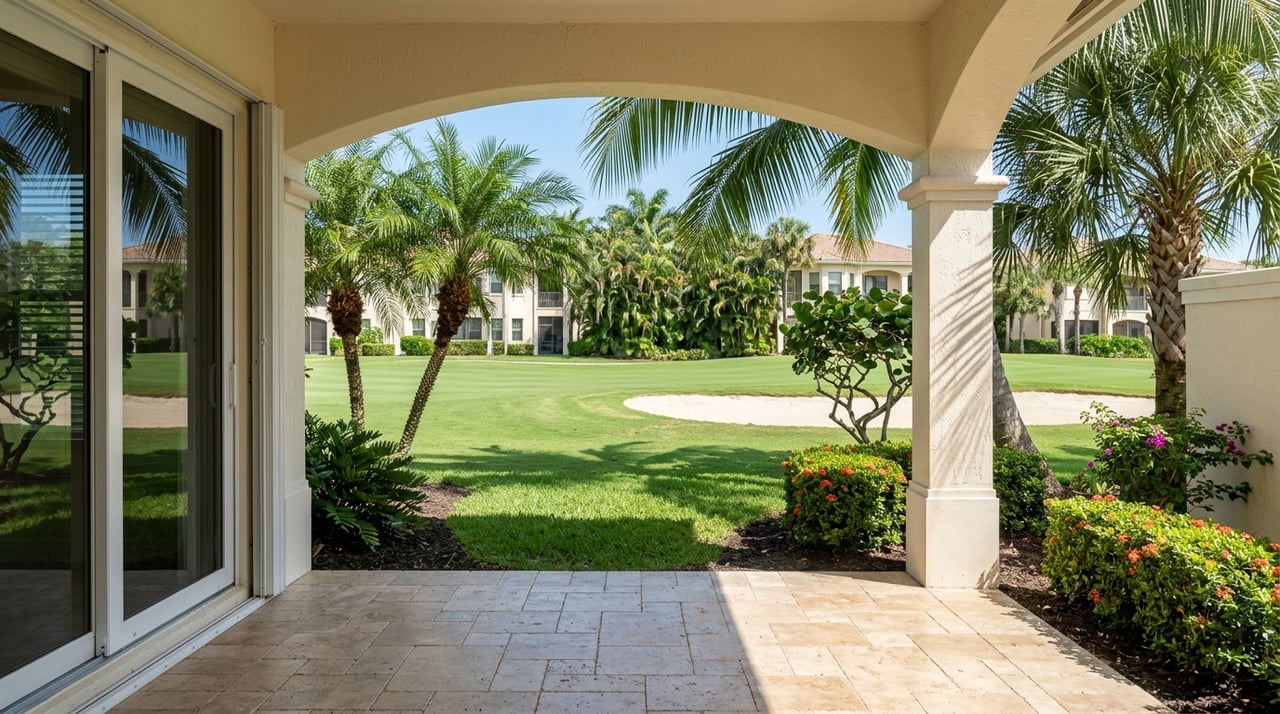
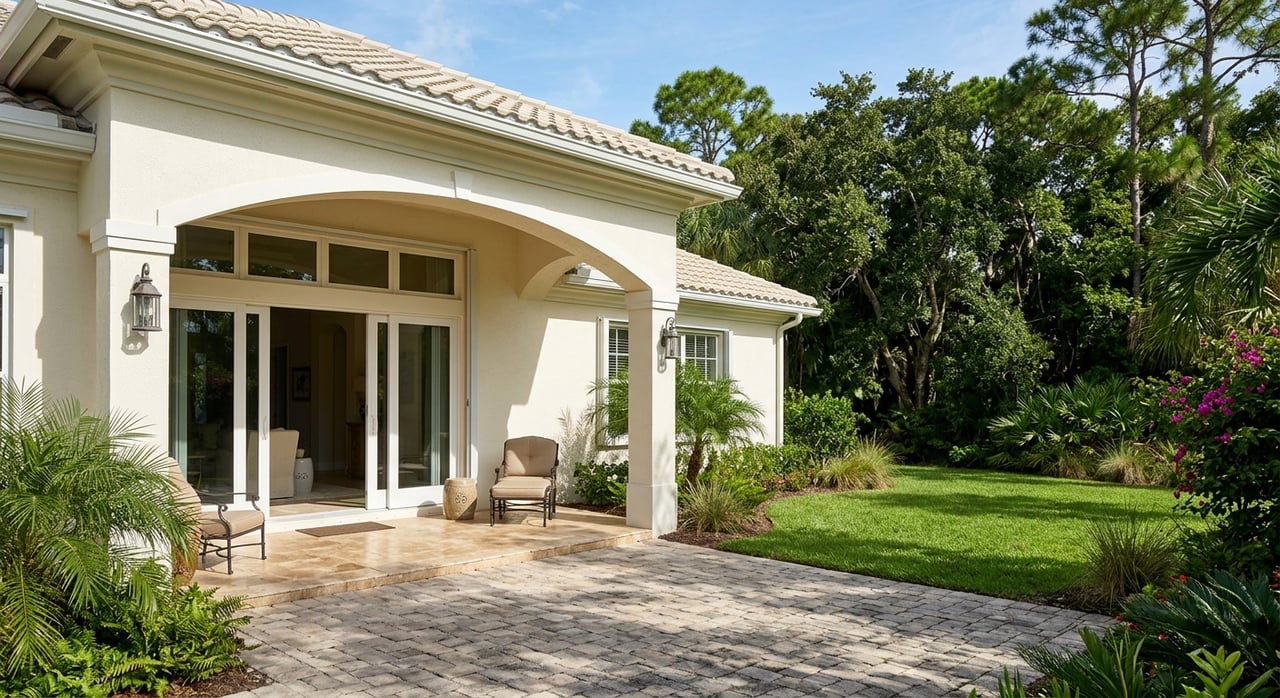
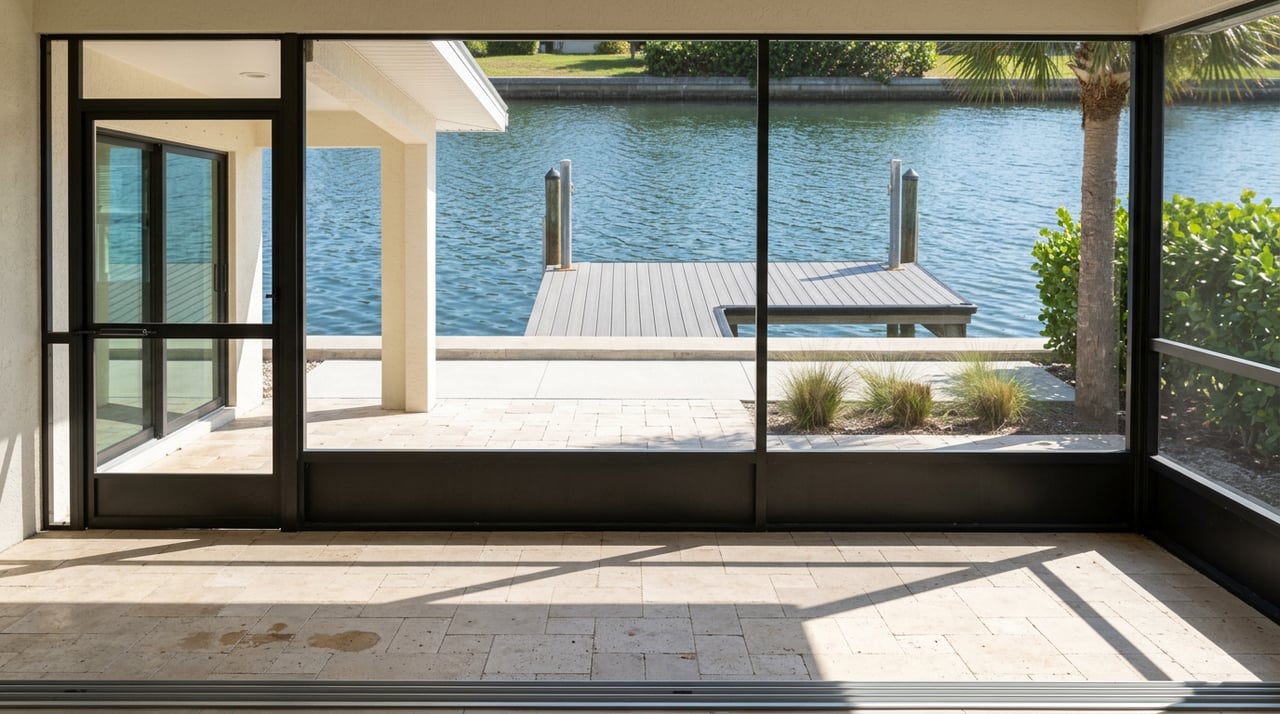
For many seasonal buyers, the attached-home options are the easiest place to start. Lennar describes terrace homes as low-maintenance, single-level homes with lanai access and covered parking.
If your goal is simple lock-and-leave ownership, condos and coach homes may fit best. They can reduce day-to-day upkeep compared with a detached home, which matters when you are only in Florida for part of the year.
Detached Homes
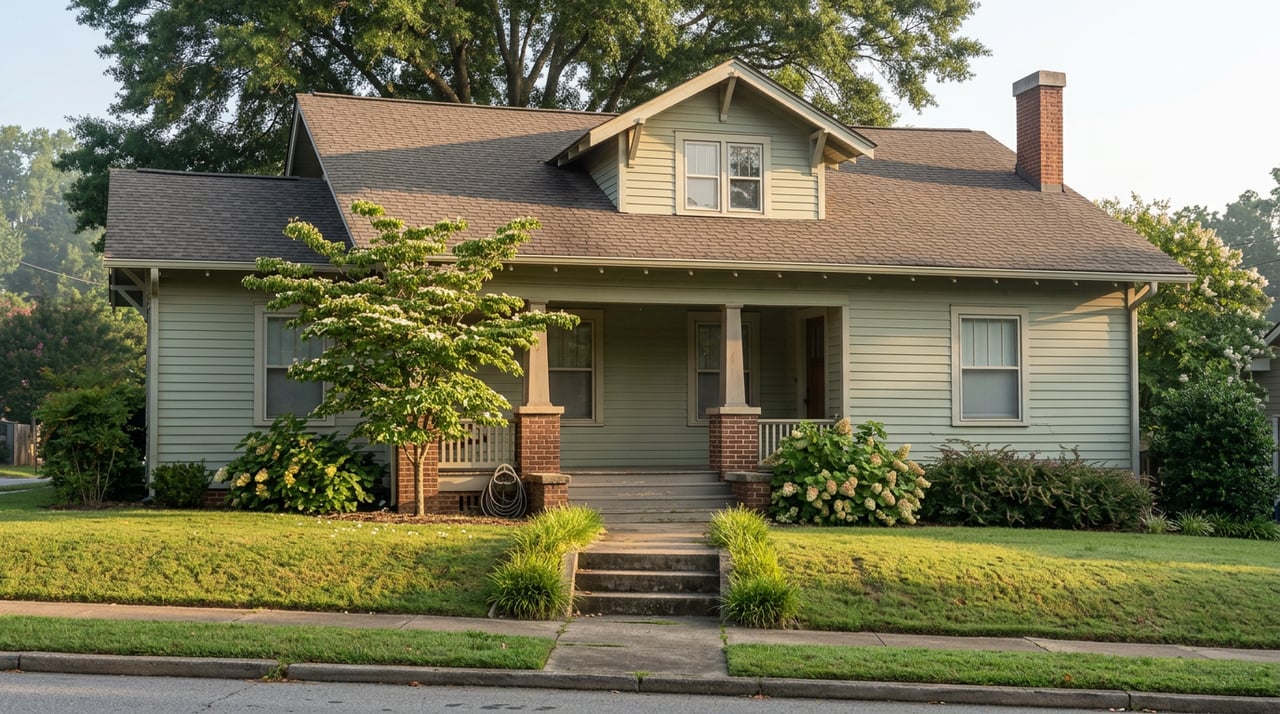
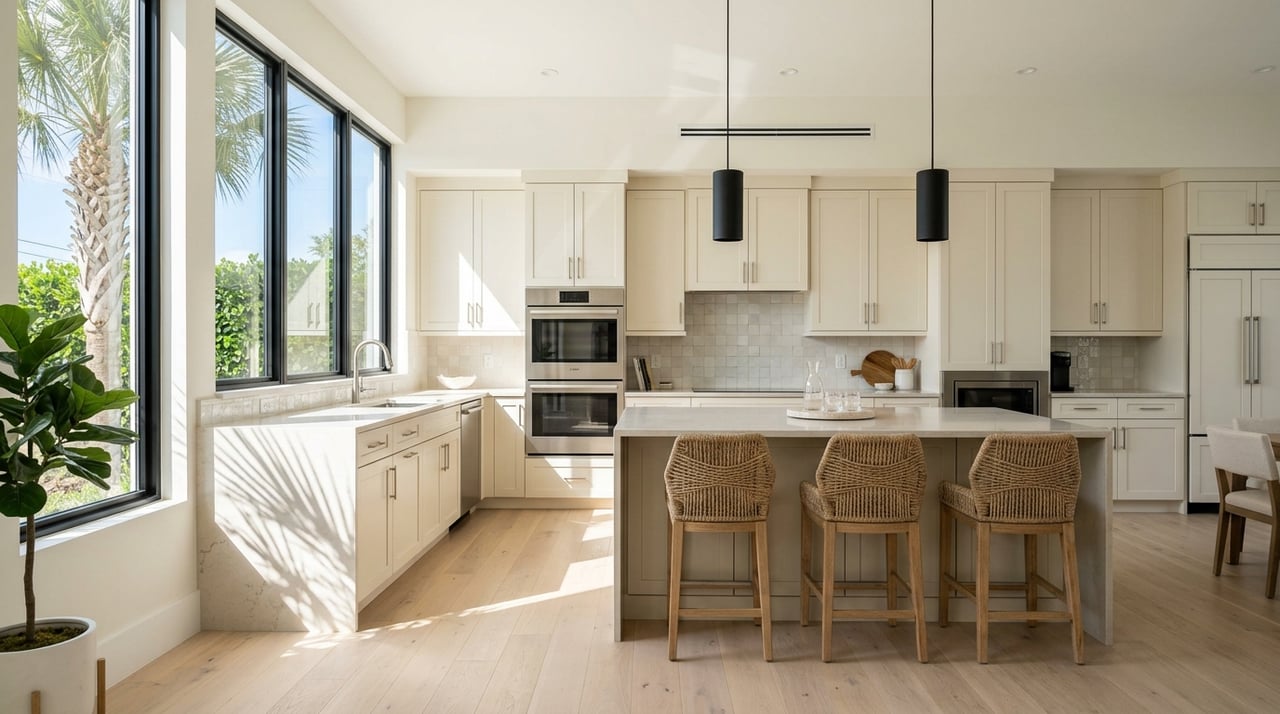
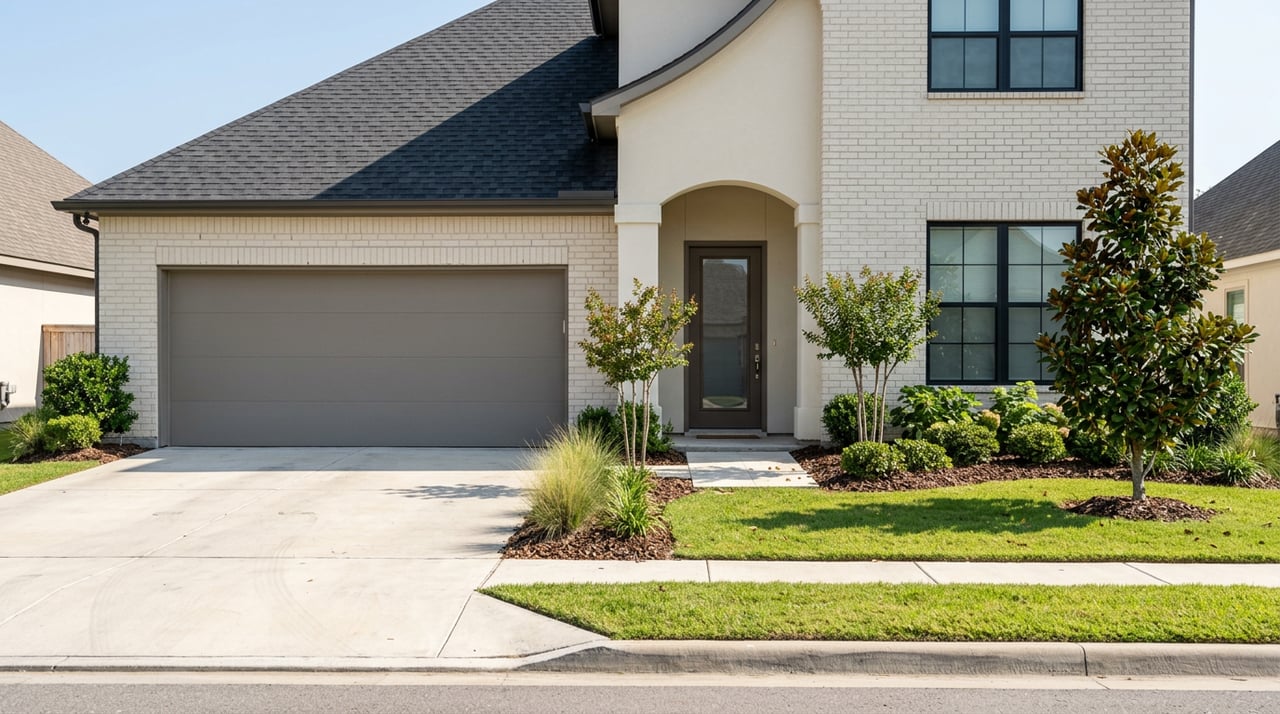
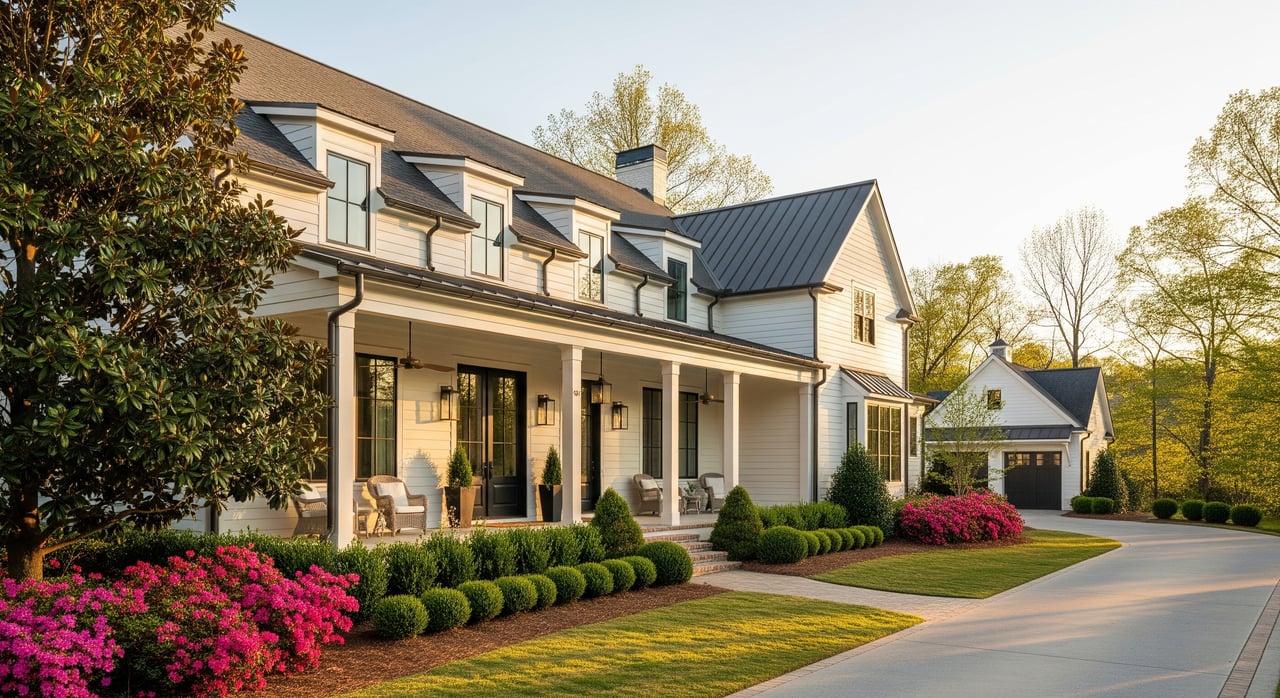
If you plan to live in Heritage Landing full time, you may prefer one of the detached executive or estate-style homes. These options were part of the community’s original product mix and generally offer more living area.
For some buyers, that extra space supports year-round living, frequent guests, or a stronger preference for privacy. The right fit depends on how often you will be in residence and how much maintenance responsibility you want to take on.
Amenities Shape the Ownership Experience
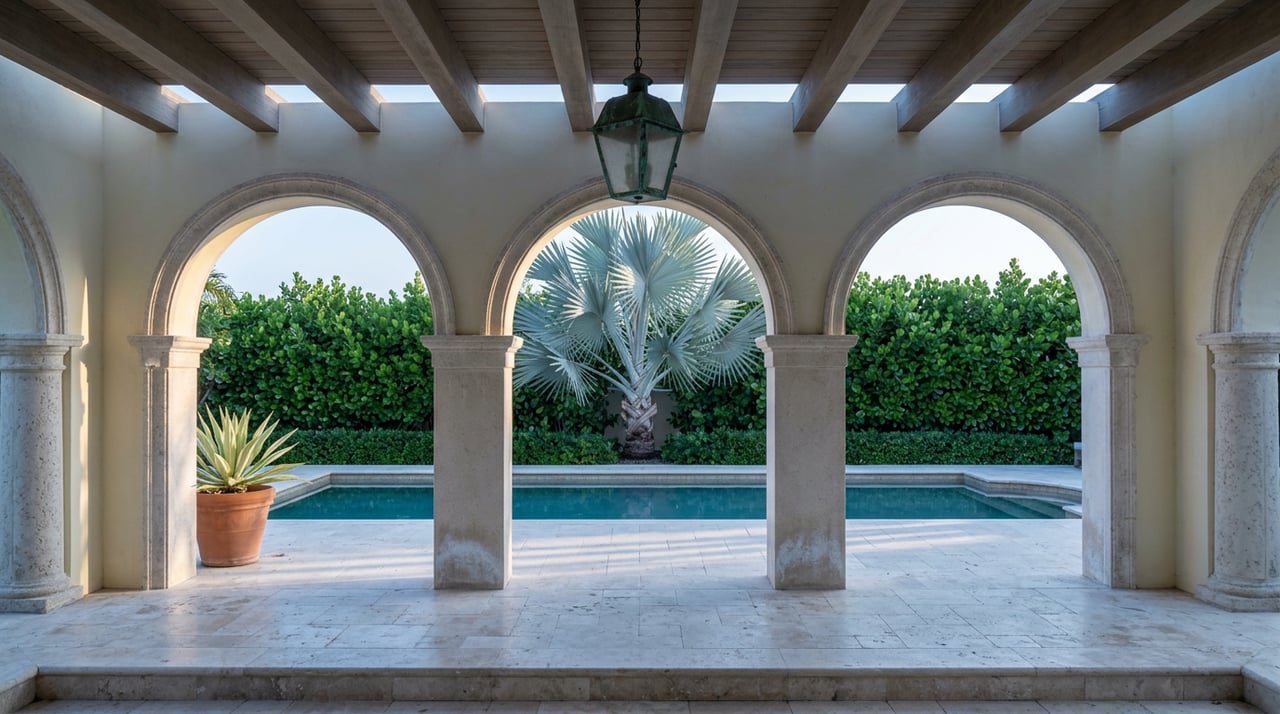
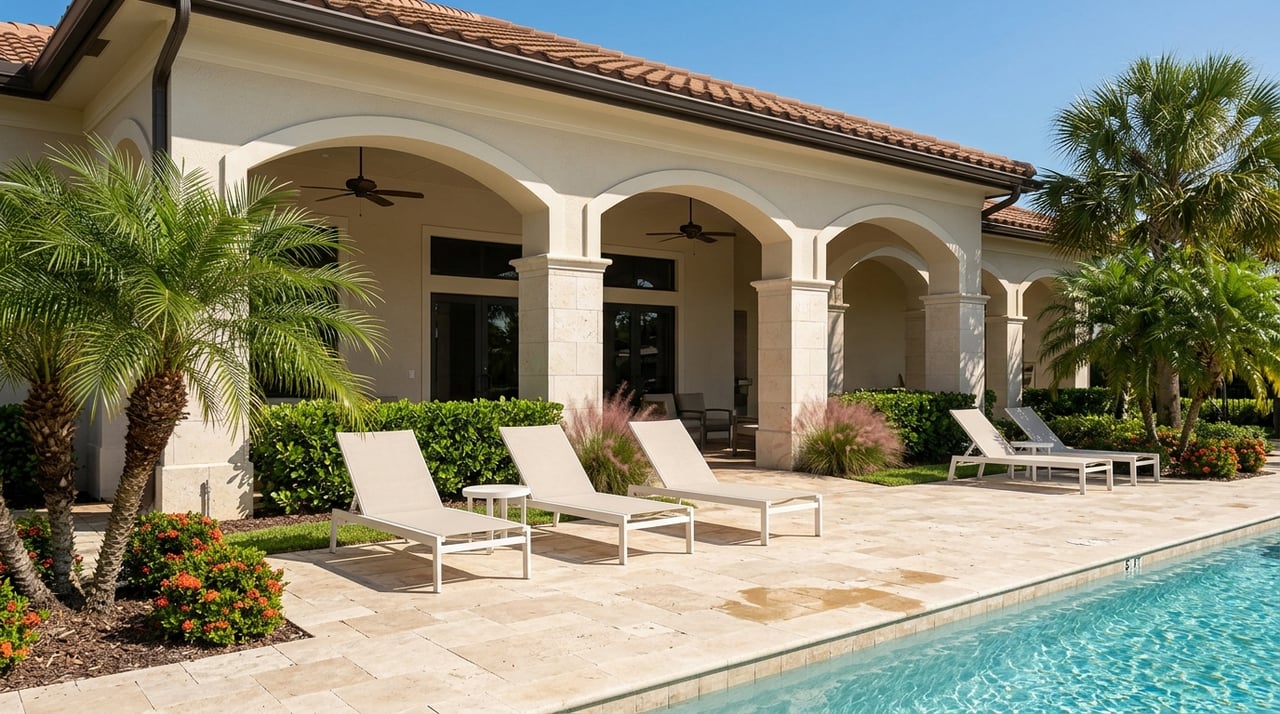
Heritage Landing is marketed as a golf and country club community for a reason. Current club materials highlight a resort-style pool with gradual entry and lap lanes, three restaurants including an outdoor pool café, two full-service bars, tennis, pickleball, bocce, a fitness center, an aerobics room, a full-service spa, and guard-gated entry.
Earlier public materials also described the 18-hole Gordon Lewis-designed golf course, practice facilities, clubhouse dining, six clay tennis courts, six pickleball courts, sauna access, and massage or salon services. The golf course opened in 2020 and includes chipping, putting, and driving-range practice areas.
Why This Matters for Your Search
In some communities, amenities are a nice extra. In Heritage Landing, they are a major part of the value proposition and daily routine.
That is why your buying decision should include more than the interior finishes of a home. You are also choosing a membership-based lifestyle with shared facilities, reservation systems, and community rules.
Golf Membership and Social Access
One of the most important details for buyers is understanding what type of access comes with the specific home you want. Public materials have described the community in slightly different ways over time, with one official local golf guide saying golf membership is included with every home, while Lennar’s current page says all residents receive a social membership with purchase.
Because of that, you should not rely on broad marketing language alone. The practical question is what privileges transfer with the exact resale property under current club rules and governing documents.
Ask These Questions Before You Buy
When you review a Heritage Landing resale, make sure you verify:
- What membership category is tied to the property
- Whether golf privileges transfer with the sale
- Whether there are transfer fees or administrative requirements
- How tee-time access works for owners, tenants, and guests
- Whether any section has different costs or rules
These answers matter just as much as square footage or view. They help you match the property to your actual lifestyle.
Seasonal Ownership: What to Watch Closely
If you are buying a winter home or part-time residence, Heritage Landing can be appealing because of its low-maintenance housing options and strong amenity package. But seasonal use requires a close look at club operations and rental flexibility.
The club rules allow members in good standing to transfer golf privileges to a tenant for a minimum of 31 days. Those transfers are capped at 12 times in a 12-month period, paperwork is required 15 days before the transfer starts, and the owner’s club access is suspended during the transfer period.
Tee Times and Peak Season Demand
The same club rules state that members may request tee times up to 14 days in advance. The club may also use a lottery system when demand warrants it.
For seasonal owners, that is important because winter demand can affect how easily you or your tenants access the course. If golf is a major reason for your purchase, make sure you understand how reservations are actually managed in practice.
If You Plan to Rent the Home
If part of your ownership strategy includes renting the property for part of the year, do not assume club access works automatically. Golf privilege transfers come with timing rules, paperwork, and temporary limits on the owner’s use.
You should also confirm any section-specific rental limits, parking rules, and storage rules as part of your resale review. Those details can affect both convenience and income planning.
Full-Time Ownership: What Locals Should Expect
For local buyers or year-round residents, Heritage Landing offers daily access to the community’s amenities and a location near shopping, dining, medical services, and the Punta Gorda area’s broader lifestyle attractions. That can make it attractive as a permanent home base, not just a seasonal retreat.
At the same time, full-time ownership comes with the normal structure of association living. Heritage Landing’s ARC guidelines say owners must remain in the association and pay annual dues.
Exterior Changes Require Approval
The ARC standards also state that exterior improvements must be submitted for review and approved before construction begins. The guidelines also note underground utilities as part of the site-development standards.
If you are used to making quick exterior changes at a previous home, this is worth noting early. In a planned community, appearance and site standards are managed through a formal review process.
HOA Costs Are Not One-Size-Fits-All
One of the easiest mistakes buyers make is assuming there is one simple community-wide fee structure. Public Lennar pages show that different collections within Heritage Landing carried different HOA and assessment structures.
That means you should verify the exact section for any resale property you are considering. Monthly and annual carrying costs can vary depending on the product type and location within the community.
A Smart Heritage Landing Due Diligence Checklist
Because Heritage Landing is now largely a resale market, careful review matters. The community still operates through a formal governing structure, with Heritage Landing Master Association, Inc. listed as an active Florida nonprofit corporation in state records.
Before you move forward, make sure your checklist includes:
- HOA documents
- Club rules and regulations
- Membership-transfer language
- Current dues and assessments
- Any special assessments
- Parking and storage rules
- Section-specific rental restrictions
- ARC requirements for exterior changes
A thorough review helps you avoid buying a home that looks right on paper but does not match how you intend to use it.
Seasonal or Local: Which Buyer Fits Best?
Heritage Landing can work well for both seasonal and local buyers, but often for different reasons. Seasonal buyers may be drawn to condos, coach homes, and the resort-style amenity package.
Local buyers may place more value on year-round use, larger home options, and ongoing access to golf, dining, fitness, and social spaces. In both cases, the best purchase is the one that aligns the property type, fee structure, and membership rights with your real plan.
Bottom Line for Buyers in 33955
Heritage Landing remains one of the more lifestyle-focused communities in Punta Gorda’s 33955 area. The key in today’s market is not just finding an available home, but understanding exactly what comes with it.
If you approach your search with a clear eye on resale details, section-level costs, and membership rules, you will be in a stronger position to buy confidently. That kind of clarity is especially valuable when you are comparing a seasonal retreat with a full-time move.
If you want practical help comparing Heritage Landing resales, evaluating section-specific costs, or narrowing down the right fit for your lifestyle, connect with Jennifer & Philip Taberski.
FAQs
What should buyers know about Heritage Landing resales in Punta Gorda?
- Buyers should focus on resale inventory, membership-transfer details, HOA documents, section-specific fees, and any rental or parking rules tied to the specific property.
What types of homes are available in Heritage Landing?
- Public materials have described terrace condominiums, veranda condominiums, coach homes, executive homes, estate homes, and manor-style homes ranging from about 1,120 to 3,332 square feet.
What amenities are part of the Heritage Landing lifestyle?
- Current club materials highlight golf, a resort-style pool, restaurants, bars, tennis, pickleball, bocce, fitness facilities, an aerobics room, spa services, and guard-gated entry.
How do golf privileges work for Heritage Landing owners and tenants?
- Club rules allow eligible owners to transfer golf privileges to a tenant for at least 31 days, with paperwork due 15 days in advance, a limit of 12 transfers in 12 months, and suspension of the owner’s club access during the transfer period.
What should full-time Heritage Landing owners expect from the association?
- Full-time owners should expect annual dues, association membership obligations, and ARC approval requirements before starting exterior improvements.
Are HOA fees the same across all Heritage Landing properties?
- No. Public Lennar materials show that different collections had different HOA and assessment structures, so buyers should verify the exact costs for each resale property.